The CBD extraction process begins with harvested hemp flower and ends with a purified concentrate mixed into carrier oil to create tinctures. This multi-step journey involves extraction using solvents or CO2, winterization to remove unwanted fats, decarboxylation to activate cannabinoids, distillation for purity, and careful formulation with carrier oils. Each stage directly impacts the final product’s potency, safety, and effectiveness, making transparency about extraction methods a critical factor when choosing your CBD products.
Why Extraction Method Matters for CBD Quality
Not all extraction methods produce equal results. The technique used determines how much CBD is preserved, which unwanted compounds remain, and whether harmful residues contaminate the final product. Ethanol extraction, CO2 extraction, and hydrocarbon methods each have distinct advantages and trade-offs that affect what ends up in your bottle.
Ethanol extraction uses food-grade alcohol to pull cannabinoids and terpenes from plant material. This method is efficient and relatively safe, but it also extracts chlorophyll and plant waxes that require additional refinement steps. CO2 extraction uses supercritical carbon dioxide under high pressure and temperature to isolate specific compounds with precision, producing cleaner concentrates without chemical residue. Hydrocarbon extraction with butane or propane is fast and effective but requires rigorous purging to eliminate solvent traces that could pose health risks.
Reputable producers always test for residual solvents in third-party labs. If a product lacks a certificate of analysis showing solvent levels below safety thresholds, consider it a red flag regardless of how natural the marketing sounds.
Starting Material Determines Everything That Follows
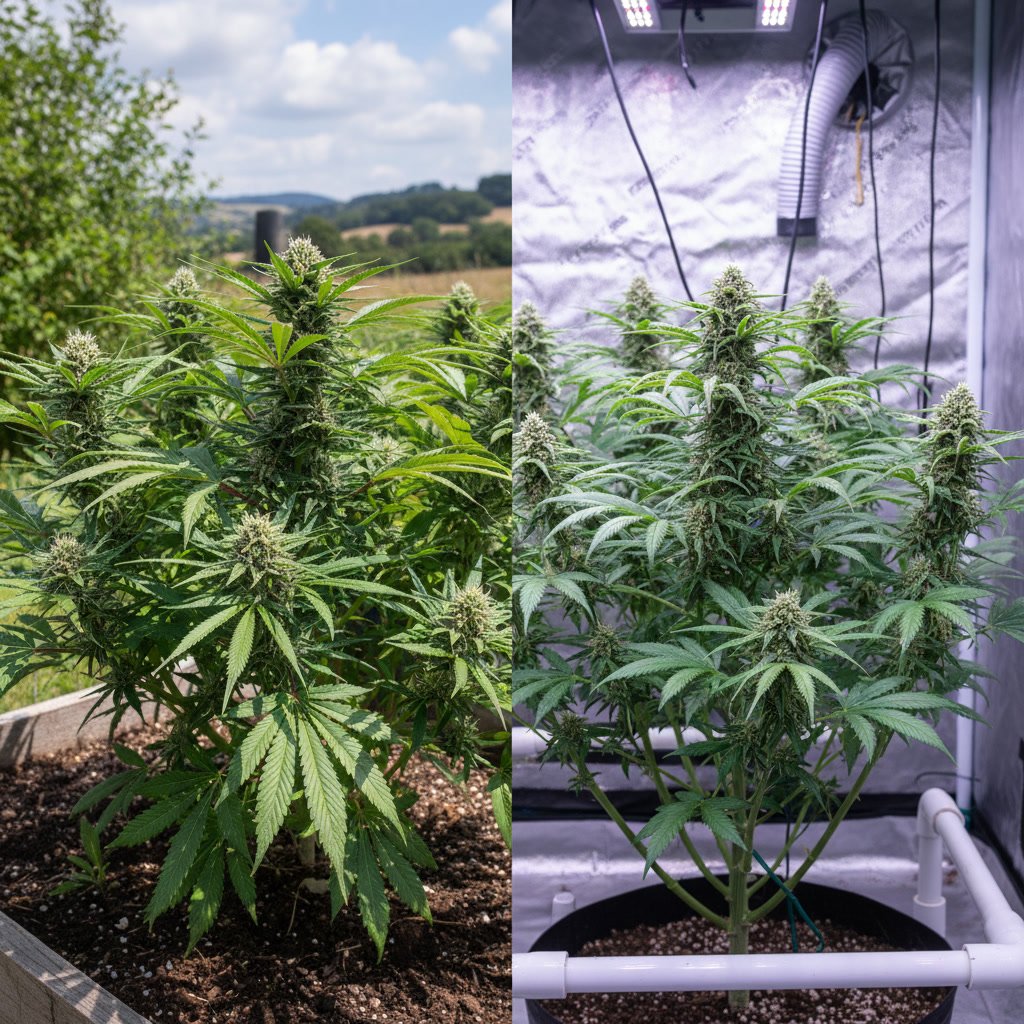
Quality extraction starts with quality hemp. Cultivators select strains bred specifically for high CBD content and low THC levels, ensuring compliance with federal limits of 0.3 percent THC or less. The plant’s growing conditions, harvest timing, and post-harvest handling all influence cannabinoid concentration and terpene profiles.
Biomass must be dried and cured properly before extraction. Excess moisture can introduce mold or dilute cannabinoid content, while over-drying degrades terpenes that contribute to the entourage effect. Professional extractors inspect batches for mold, pesticides, and heavy metals before processing, rejecting any material that fails safety standards.

The Extraction Phase Pulls Cannabinoids From Plant Matter
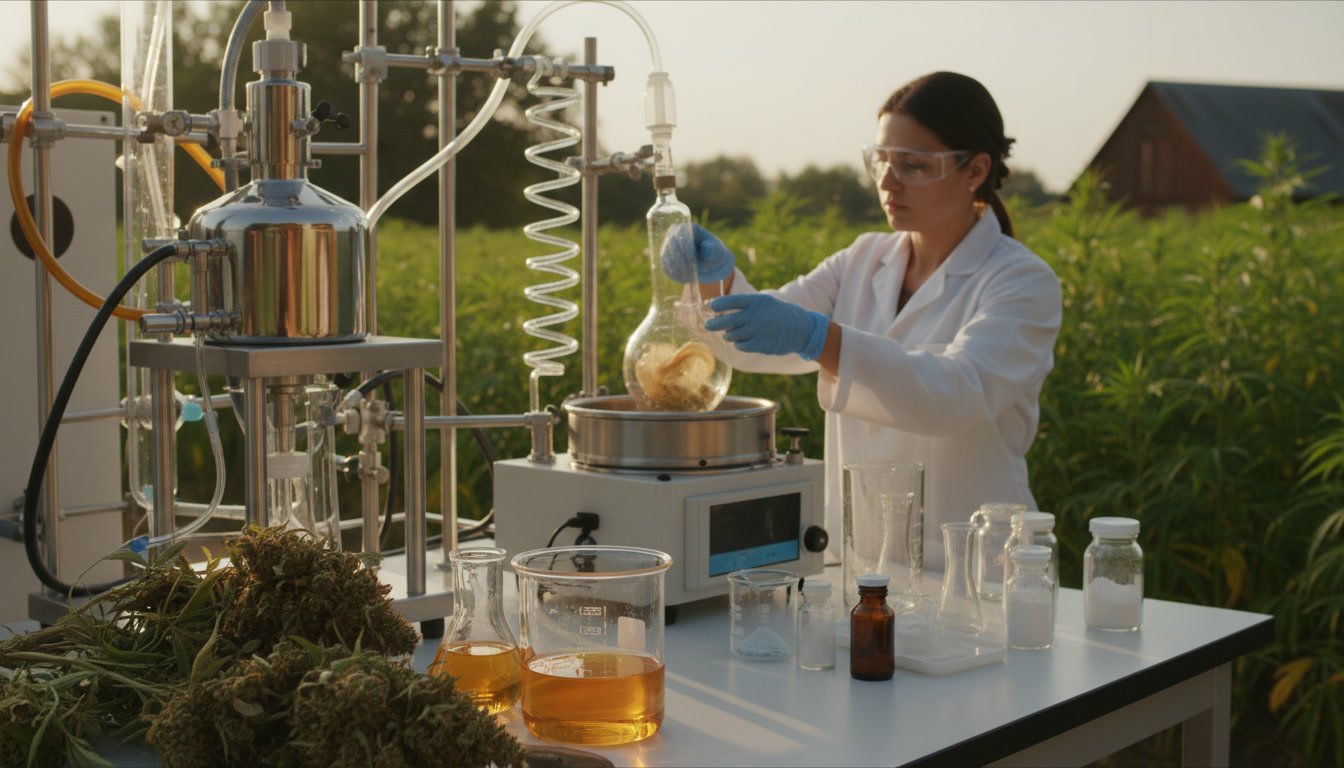
During extraction, the chosen solvent passes through ground hemp flower, dissolving cannabinoids, terpenes, and other compounds into solution. In CO2 extraction, operators control pressure and temperature to target specific molecules, leaving behind unwanted plant material. Ethanol extraction typically uses cold temperatures to minimize chlorophyll extraction while still capturing a full spectrum of cannabinoids.
The resulting mixture is a crude extract containing CBD, other cannabinoids, terpenes, lipids, waxes, and chlorophyll. This raw material is far from ready for consumption and requires several refinement steps to become the clean, golden oil you see in finished cannabis products.
Winterization Removes Fats and Waxes
Winterization is a purification step that removes lipids, waxes, and fats extracted alongside cannabinoids. The crude extract is mixed with ethanol and chilled to subzero temperatures, causing fats and waxes to solidify and separate. The mixture is then filtered, leaving behind a cleaner cannabinoid solution.
This step is especially important for extracts intended for vaping or tinctures, where residual waxes can create harsh vapor or cloudy appearance. Skipping winterization is a shortcut some low-quality producers take, resulting in products that taste off or leave residue when consumed.
Decarboxylation Activates the CBD
Raw hemp contains CBDA, the acidic precursor to CBD. Decarboxylation applies controlled heat to remove a carboxyl group from CBDA molecules, converting them into active CBD that the body can utilize. This process typically occurs at temperatures between 220 and 250 degrees Fahrenheit for a specific duration.
Precise temperature and time control are critical. Too little heat leaves CBDA unconverted, reducing potency. Excessive heat degrades CBD into CBN or evaporates valuable terpenes. Professional extractors use specialized equipment to maintain consistent conditions throughout the batch, ensuring uniform activation without compound degradation.
Distillation Refines the Extract to High Purity
Distillation separates cannabinoids based on their boiling points, further purifying the extract. Short-path distillation heats the extract under vacuum, allowing CBD to vaporize at lower temperatures and condense into a separate collection flask. This process removes remaining plant matter, solvents, and other impurities.
The result is a highly concentrated CBD distillate, often 80 to 90 percent pure, with a light golden color and minimal flavor. For full-spectrum products, some producers skip or limit distillation to preserve terpenes and minor cannabinoids that contribute to therapeutic effects. Broad-spectrum products undergo distillation and additional chromatography to remove THC while retaining other beneficial compounds.

Formulation Blends CBD With Carrier Oils
Pure CBD concentrate is too thick and potent for direct use. Formulation dilutes the concentrate in carrier oils like MCT oil, hemp seed oil, or olive oil to create a product with specific CBD concentration per milliliter. A 1000 mg tincture in a 30 ml bottle, for example, contains approximately 33 mg of CBD per milliliter.
MCT oil derived from coconut is the most popular carrier because it remains liquid at room temperature, has minimal flavor, and may enhance CBD absorption. Hemp seed oil adds omega fatty acids but has a stronger taste. Some producers add terpenes back into the final formulation to enhance flavor and restore the entourage effect lost during distillation.
Proper formulation requires precise measurement and thorough mixing to ensure consistent CBD distribution throughout the bottle. Inconsistent mixing leads to dose variation, where some drops contain more or less CBD than the label claims.
Step-by-Step Breakdown of Creating a Full Spectrum Tincture
The complete process for producing a full-spectrum tincture follows these stages:
- Harvest hemp flower at peak cannabinoid content, typically when trichomes turn milky white.
- Dry and cure the flower for two to four weeks, maintaining proper humidity to prevent mold.
- Grind the dried flower to increase surface area for efficient extraction.
- Perform ethanol or CO2 extraction to create crude cannabinoid-rich oil.
- Winterize the crude extract by mixing with ethanol and freezing to remove fats and waxes.
- Filter the winterized solution to separate solidified impurities.
- Evaporate residual ethanol using gentle heat or vacuum.
- Decarboxylate the extract at controlled temperature to convert CBDA to CBD.
- Optionally distill or refine further depending on desired purity level.
- Blend the concentrate with measured carrier oil to achieve target potency.
- Fill bottles, label with accurate cannabinoid content, and submit samples for third-party lab testing.
This sequence ensures maximum cannabinoid preservation while removing contaminants that compromise safety or taste. Variations exist based on whether the producer targets isolate, broad-spectrum, or full-spectrum products, but the core principles remain consistent.
Third-Party Testing Verifies Purity and Potency in LaBelle
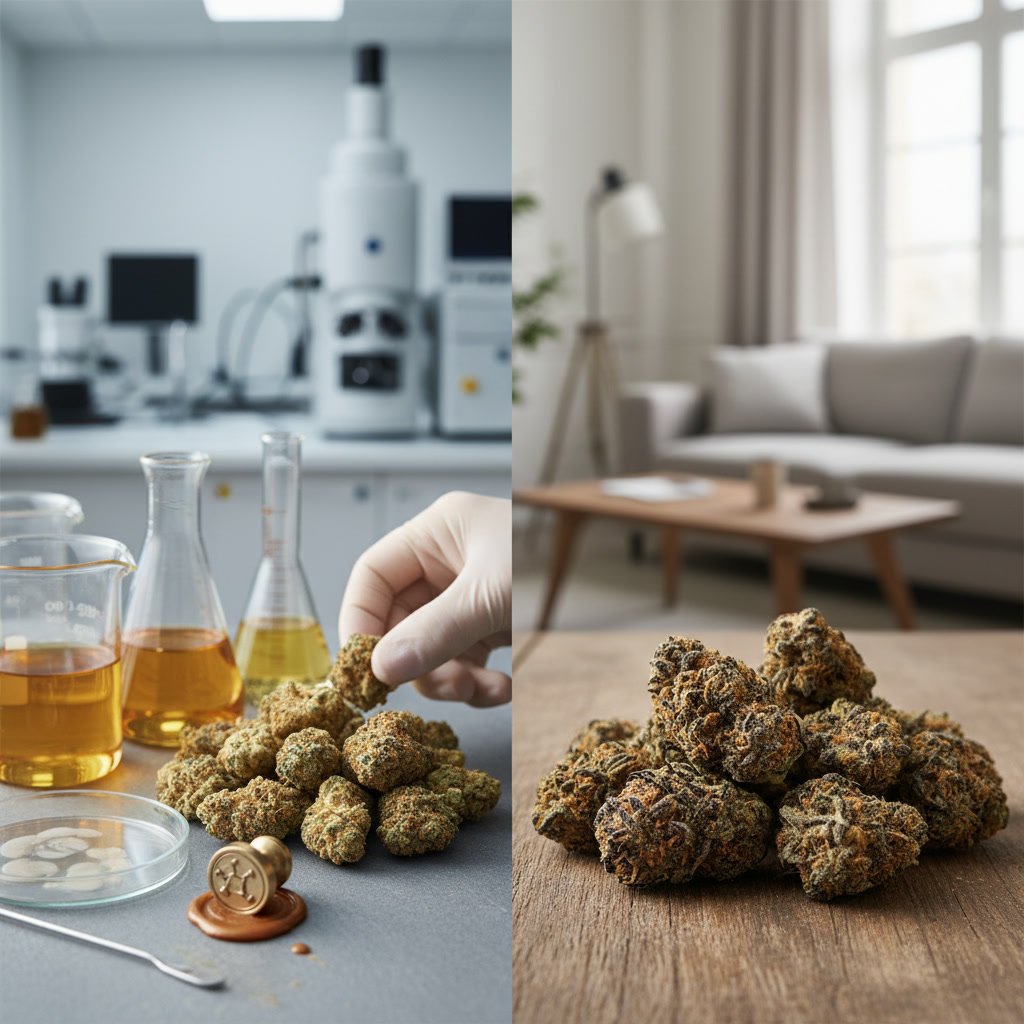
Even a flawless extraction means nothing without independent verification. Third-party lab testing analyzes finished tinctures for cannabinoid content, residual solvents, pesticides, heavy metals, and microbial contamination. Certificates of analysis provide transparency, confirming that what the label claims matches what the bottle contains.
Reputable shops stock only products with accessible, current lab reports. At Kush Kingdom LLC, every tincture and concentrate undergoes verification before reaching shelves, ensuring customers receive safe, accurately labeled products. This commitment to testing stems from firsthand experience with unreliable products in an industry where quality varies dramatically.
If a brand refuses to provide lab reports or claims testing is proprietary, walk away. Transparency is non-negotiable when consuming products meant to support your health. Understanding how tinctures work and proper dosing becomes easier when you trust the product’s tested purity.

Full Spectrum vs Broad Spectrum vs Isolate Tinctures
The extraction and refinement choices create three distinct tincture types. Full-spectrum tinctures retain all cannabinoids, terpenes, and trace THC naturally present in hemp, offering the entourage effect where compounds work synergistically. Broad-spectrum products undergo additional processing to remove THC while preserving other cannabinoids and terpenes. CBD isolate tinctures contain only pure CBD with no other cannabis compounds.
Full-spectrum options often provide more noticeable effects due to the combined influence of multiple cannabinoids. However, they contain trace THC that could theoretically trigger a positive drug test in rare cases. Broad-spectrum offers a middle ground for those wanting entourage benefits without THC concerns. Isolate suits individuals sensitive to other cannabinoids or those subject to strict THC testing.
Your choice depends on personal needs, workplace policies, and how your body responds to different cannabinoid profiles. Many find that starting with a lower-potency full-spectrum tincture and adjusting from there provides the best introduction. For localized relief, some prefer topical CBD options that bypass digestion entirely.
Common Extraction Mistakes That Compromise Quality
Even with proper equipment, several missteps degrade final product quality. Using contaminated starting material introduces pesticides or heavy metals that persist through extraction. Inadequate purging leaves residual solvents that pose health risks and create harsh flavors. Overheating during decarboxylation destroys terpenes and converts CBD into less desirable cannabinoids.
Poor storage practices after extraction also matter. CBD degrades when exposed to light, heat, and oxygen. Quality producers store concentrates in cool, dark conditions and package finished tinctures in amber or opaque bottles with airtight seals. Products sitting on sunny shelves or stored in clear bottles lose potency over time.
Another common issue is inconsistent batch-to-batch formulation. Without standardized processes and testing, one bottle may contain significantly more or less CBD than another from the same brand. This inconsistency makes dosing unpredictable and undermines trust in the product’s effectiveness.
Why Transparency About Extraction Builds Trust
Understanding each step from flower to tincture empowers you to ask the right questions. When a shop can explain their suppliers’ extraction methods, show you lab reports, and discuss why they chose specific products, you gain confidence in your purchase. Knowledge about the process reveals which brands take shortcuts and which invest in quality at every stage.
The journey from raw hemp to refined tincture requires expertise, equipment, and commitment to safety standards. Every step presents opportunities to either preserve beneficial compounds or introduce contaminants. Producers who embrace transparency about their methods demonstrate respect for customers and confidence in their products. Those who hide behind vague marketing language often have something to conceal.
When you choose lab-tested tinctures from knowledgeable sources, you benefit from the careful science behind extraction while supporting businesses that prioritize your health over shortcuts. The difference between a properly extracted tincture and a cheap alternative becomes clear once you understand what quality truly requires.
If you are exploring CBD tinctures and want honest guidance on extraction methods, lab reports, and product selection, Kush Kingdom LLC provides the transparent information you need to make informed decisions. Stop by our location at 870 West Hickpochee Ave, Unit 200, or call (863) 373-2644 to discuss which tincture formulation suits your specific needs and learn more about the testing behind every product we carry.