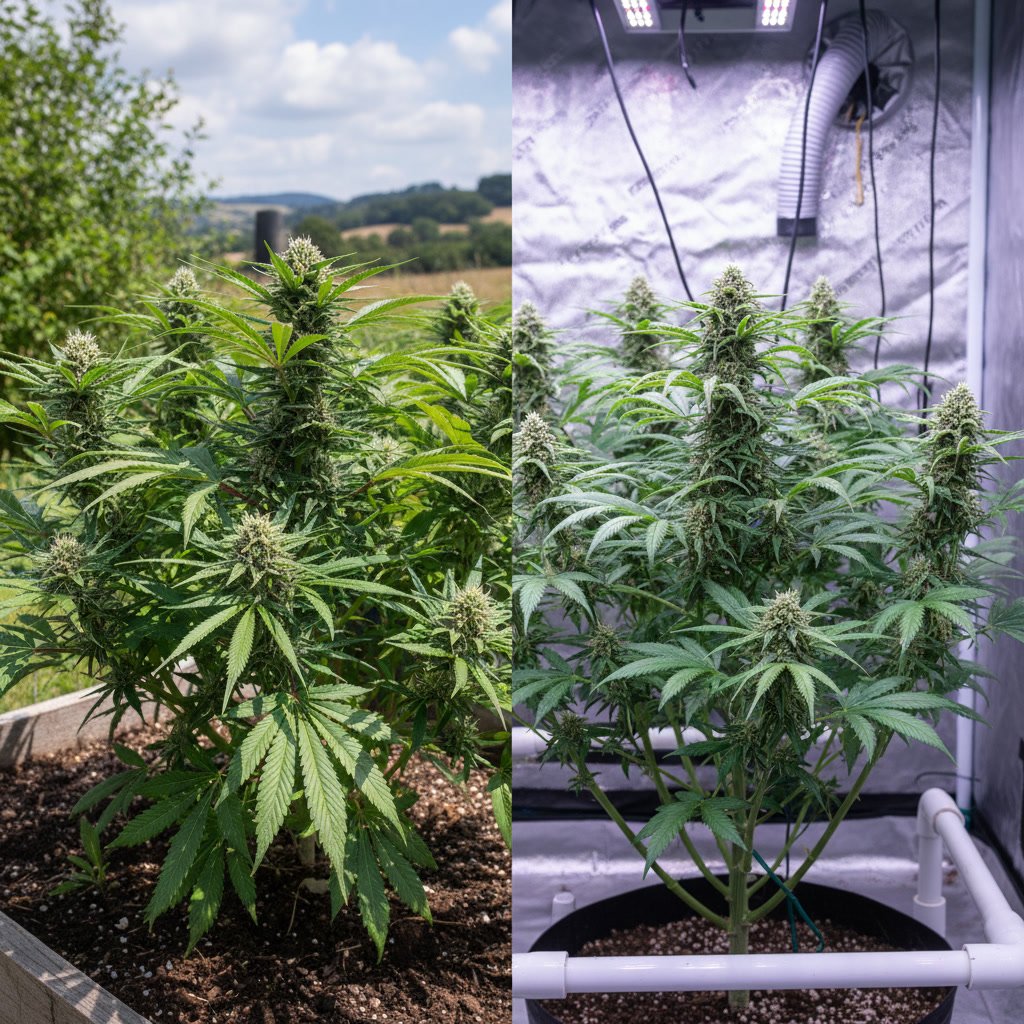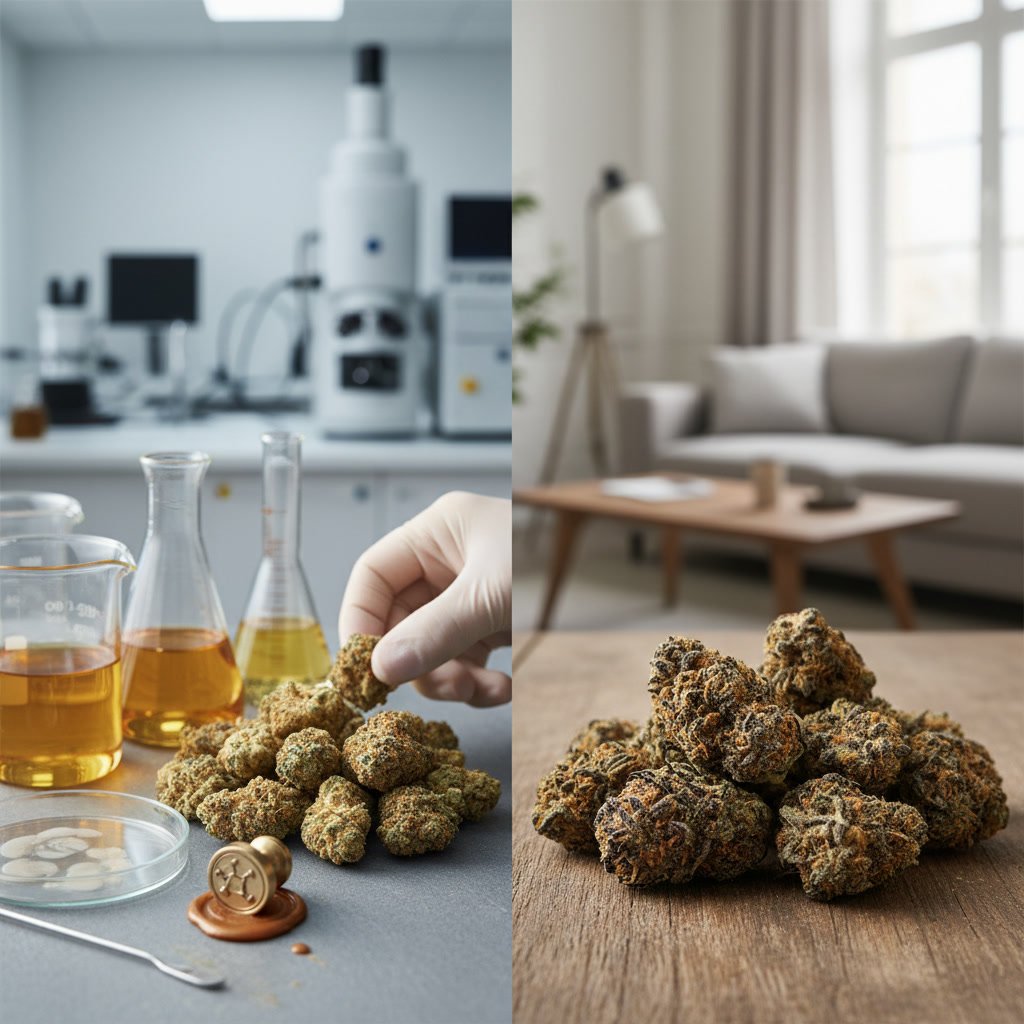
If you’re searching for an alternative to smoking or vaping but still want fast-acting relief from pain, anxiety, or sleep issues, tinctures might be exactly what you need. Many Port LaBelle residents ask what are tinctures when they first walk into a dispensary or smoke shop, and the answer is simpler than you might think. A tincture is a liquid extract made by soaking cannabis or hemp in alcohol or oil to pull out the active compounds like CBD, THC, or other cannabinoids. The result is a concentrated liquid you place under your tongue for quick absorption.
Unlike edibles that take 30 to 90 minutes to kick in, tinctures work within 15 to 45 minutes because the cannabinoids absorb directly into your bloodstream through the tissue under your tongue. This makes them ideal for managing sudden pain flare-ups, anxiety attacks, or insomnia when you need relief without waiting.
This guide walks you through everything you need to know about tinctures, from how they’re made to proper dosing techniques, the difference between CBD and THC versions, and where to find lab-tested options in Port LaBelle.
Understanding What Tinctures Are and How They Work
Tinctures are one of the oldest forms of cannabis medicine, dating back centuries before modern pharmaceuticals. The extraction process involves soaking cannabis or hemp flower in high-proof alcohol or a carrier oil like MCT oil for several weeks. This pulls out cannabinoids, terpenes, and other beneficial compounds into the liquid.
The final product comes in a small glass bottle with a dropper, making it easy to measure exact doses. Most tinctures contain between 250mg and 3000mg of total cannabinoids per bottle, with each dropper typically delivering 10 to 50mg depending on the concentration.
When you place drops under your tongue and hold them there for 60 to 90 seconds, the cannabinoids absorb through the mucous membranes directly into your bloodstream. This sublingual method bypasses your digestive system, which means faster onset and higher bioavailability compared to swallowing the tincture like an edible.
CBD Tinctures vs THC Tinctures
The main difference between CBD and THC tinctures lies in their effects. CBD tinctures contain cannabidiol, a non-intoxicating compound that helps with inflammation, anxiety, and pain without making you feel high. THC tinctures contain tetrahydrocannabinol, the psychoactive compound that produces the euphoric feeling associated with cannabis.
CBD Tinctures
CBD tinctures work best for daytime use when you need relief but want to stay clear-headed. They’re popular among people managing chronic pain, arthritis, general anxiety, and inflammation. Most CBD tinctures come from hemp, which is legal federally as long as it contains less than 0.3% THC.
Many Port LaBelle residents use CBD tinctures as a natural replacement for over-the-counter pain relievers or prescription medications that come with unwanted side effects. If you’ve already explored topical options, you might find that internal use through tinctures provides more comprehensive relief, similar to how CBD lotions help with localized arthritis pain.
THC Tinctures
THC tinctures deliver stronger effects and work better for severe pain, insomnia, nausea, and appetite stimulation. The psychoactive component means you’ll feel some degree of intoxication, which can range from mild relaxation to a full high depending on your dose.
Delta 9 THC tinctures are the traditional form derived from marijuana, while Delta 8 THC tinctures offer a milder, less anxious high. Many people prefer Delta 8 for daytime use because it provides pain relief and mood elevation without the intensity of Delta 9.
Full Spectrum vs Broad Spectrum vs Isolate
You’ll also see these terms on tincture labels. Full spectrum means the tincture contains all cannabinoids from the plant, including trace amounts of THC. Broad spectrum has multiple cannabinoids but zero THC. Isolate contains only pure CBD or THC with no other compounds.
Full spectrum products often work better because of the entourage effect, where cannabinoids work together synergistically. However, if you need to avoid THC entirely for drug testing, broad spectrum or isolate is the safer choice.
How to Use Tinctures Properly
Using a tincture correctly makes a significant difference in how well it works. The sublingual method is the most effective approach, but many people make the mistake of swallowing immediately, which turns the tincture into an edible with slower onset and reduced potency.
Start by shaking the bottle gently to mix the cannabinoids evenly throughout the liquid. Use the dropper to measure your dose, then place the drops under your tongue. Hold the liquid there for at least 60 seconds, preferably 90 seconds. You can swallow whatever remains after that.
Avoid eating or drinking for 10 to 15 minutes after taking your dose to maximize absorption. If the taste is too strong, you can chase it with water or juice after the sublingual hold time.
Pro Tip: If you absolutely can’t tolerate the taste, you can add tincture drops to food or beverages, but expect it to take 45 to 90 minutes to feel effects since it will process through your digestive system like an edible.
Finding the Right Dose for Your Needs
Tincture dosing is personal and depends on your body weight, tolerance, metabolism, and the severity of your symptoms. The golden rule is to start low and go slow, especially if you’re new to cannabinoids or have never used tinctures before.
For CBD tinctures, most beginners start with 10 to 20mg per dose. You can gradually increase by 5mg every few days until you find your sweet spot. Some people need only 15mg daily for anxiety, while others with severe chronic pain may use 100mg or more.
For those just starting out, we’ve covered detailed guidance on choosing the right CBD tincture strength that walks through concentration calculations and finding your minimum effective dose.

For THC tinctures, start even lower at 2.5 to 5mg, especially if you’re new to THC or have low tolerance. Wait at least two hours before taking more because tinctures can surprise you with delayed effects if you swallow some of the liquid. If 5mg doesn’t provide enough relief after a week of consistent use, increase to 7.5mg, then 10mg.
Keep a simple journal for the first two weeks, noting your dose, time taken, and effects felt. This helps you dial in your perfect dose and timing for different situations.
Benefits of Tinctures Over Other Consumption Methods
Tinctures offer several advantages that make them popular among both new users and experienced consumers. The discrete nature means you can dose anywhere without drawing attention, unlike smoking or vaping which produces odor and requires equipment.
Precise dosing is another major benefit. Each dropper has markings that let you measure exact milligram amounts, which is nearly impossible with smoking or vaping. This consistency helps you maintain steady relief throughout the day.
Tinctures are also easier on your lungs compared to smoking. If you’ve been using cannabis for pain management but want to reduce respiratory irritation, switching to tinctures can provide the same therapeutic benefits without inhaling combusted plant material.
The long shelf life, typically 1 to 2 years when stored properly in a cool dark place, means you can stock up without worrying about your product degrading quickly. Compare this to flower which starts losing potency within a few months or edibles that may expire even faster.
Common Concerns and Side Effects
Most people tolerate tinctures well, but some experience mild side effects, especially when first starting or taking too much. CBD side effects are rare but can include dry mouth, drowsiness, or digestive changes. These typically resolve as your body adjusts.
THC tinctures carry more potential for unwanted effects like anxiety, paranoia, increased heart rate, or dizziness if you take too much. This is why starting with micro-doses is crucial. If you do take too much, remember that it’s temporary and drinking water, eating food, and resting in a quiet space will help you ride it out.
Drug interactions are possible with certain medications, particularly blood thinners, seizure medications, and some antidepressants. If you take prescription medications regularly, consult your doctor before adding cannabinoid tinctures to your routine.
Some people worry about failing drug tests. CBD tinctures with less than 0.3% THC rarely cause positive results, but full spectrum products contain trace THC that can accumulate with regular use. If you face drug testing, choose broad spectrum or isolate products, or consider using detox products if needed.
What to Look for When Buying Tinctures in Port LaBelle
Quality varies dramatically between tincture brands, and buying from a shop that tests and verifies their products makes all the difference. Lab reports should confirm cannabinoid content, verify the absence of pesticides and heavy metals, and check for mold or residual solvents.
Look for tinctures made with organic hemp or cannabis whenever possible. The extraction method matters too, with CO2 extraction generally producing cleaner, higher-quality products than cheaper methods.
Check the ingredient list. The best tinctures contain only cannabis extract and a carrier oil like MCT, hemp seed oil, or grape seed oil. Some brands add artificial flavors or unnecessary additives that don’t improve the product and may cause sensitivities.
Concentration labeling should be clear, showing both total milligrams in the bottle and milligrams per serving or dropper. Vague labels that don’t specify exact amounts are red flags.
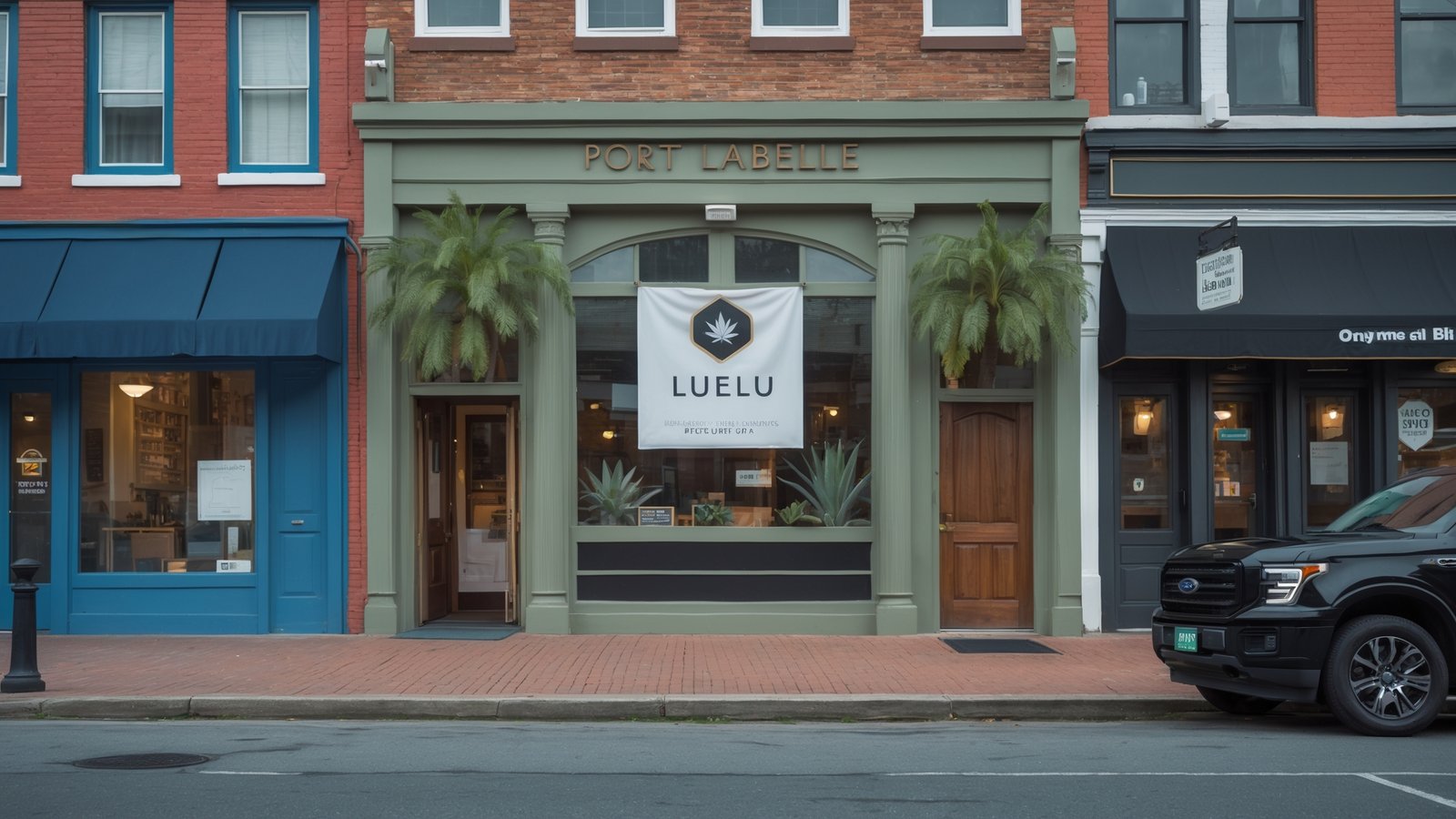
At Kush Kingdom, we research and verify lab reports for every tincture we carry, ensuring customers in Port LaBelle receive compliant, high-quality products at fair prices. This commitment to transparency comes from firsthand experience with unreliable products during the founder’s own journey finding natural pain management alternatives.
Combining Tinctures with Other Wellness Products
Many people find that combining tinctures with other natural wellness products enhances their overall results. For example, using a CBD tincture internally for systemic inflammation while applying a topical to specific pain points can provide more complete relief than either method alone.
Some Port LaBelle residents pair CBD tinctures with kratom for managing chronic pain, though you should research interactions and start with low doses of each. If you’re exploring kratom options, understanding which strains work best for pain relief can help you make informed choices.
Hemp drinks, mushroom edibles, and other non-intoxicating wellness products can complement your tincture routine without increasing psychoactive effects or creating unwanted interactions. The key is introducing one new product at a time so you can monitor how your body responds.
Storage and Shelf Life Tips
Proper storage extends your tincture’s potency and prevents degradation. Keep bottles in a cool, dark place away from direct sunlight and heat sources. A kitchen cabinet or dresser drawer works well, but avoid storing tinctures in bathrooms where humidity and temperature fluctuate.
Always close the cap tightly after each use to minimize air exposure. Oxygen gradually breaks down cannabinoids, reducing potency over time. Dark amber or cobalt glass bottles protect against light damage better than clear glass.
Most tinctures remain potent for 12 to 24 months when stored correctly. You’ll know a tincture has gone bad if it develops an off smell, changes color significantly, or tastes rancid. Alcohol-based tinctures last longer than oil-based versions because alcohol acts as a preservative.
Frequently Asked Questions
How long do tincture effects last compared to other methods?
Tincture effects typically last 4 to 6 hours when taken sublingually, which falls between smoking (2 to 3 hours) and edibles (6 to 8 hours). The duration depends on your dose, metabolism, and whether you swallow any of the liquid. Higher doses and swallowed portions extend the duration but also increase onset time.
Can you overdose on CBD or THC tinctures?
You cannot fatally overdose on cannabinoid tinctures, but taking too much THC can cause extremely uncomfortable psychological effects like severe anxiety, paranoia, or nausea. CBD overdose is even less likely and usually just causes drowsiness or upset stomach. Always start with low doses and increase gradually to avoid taking more than your body can handle comfortably.
Will CBD tinctures show up on drug tests?
Pure CBD isolate tinctures should not trigger positive drug tests, but full spectrum CBD products contain trace amounts of THC that can accumulate in your system with regular use. If you face workplace drug testing, choose broad spectrum or isolate products and review lab reports to verify zero THC content.
What’s the difference between tinctures and oils?
The terms are often used interchangeably, but technically tinctures use alcohol as the extraction solvent while oils use a lipid-based carrier. In practice, most modern products labeled as tinctures actually use oil carriers like MCT oil. The usage and effects are essentially identical regardless of which term appears on the label.
Can you use expired tinctures?
Expired tinctures aren’t dangerous but lose potency over time, meaning you’ll need higher doses to achieve the same effects. If your tincture is only a few months past the best-by date and has been stored properly, it’s probably still effective. However, if it’s over a year expired or shows signs of degradation like off odors or separation, it’s better to replace it.
Getting Started with Tinctures in Port LaBelle
Tinctures provide a versatile, precise, and discreet way to experience the therapeutic benefits of CBD and THC without smoking or waiting for edibles to kick in. Whether you’re managing chronic pain, anxiety, sleep issues, or simply exploring natural wellness alternatives, understanding proper dosing and usage helps you get consistent, reliable results.
Finding lab-tested products from knowledgeable sources ensures you’re getting what’s on the label without contaminants or inaccurate potency claims. Kush Kingdom serves Port LaBelle, Labelle, Ortona, Alva, and Felda with carefully vetted tinctures and honest guidance based on real experience, not just sales pitches.
If you have questions about which tincture strength or type would work best for your specific needs, visit us at 870 West Hickpochee Ave, unit 200, Labelle, or call +18633732644 to speak with someone who understands these products from both a business and personal wellness perspective.