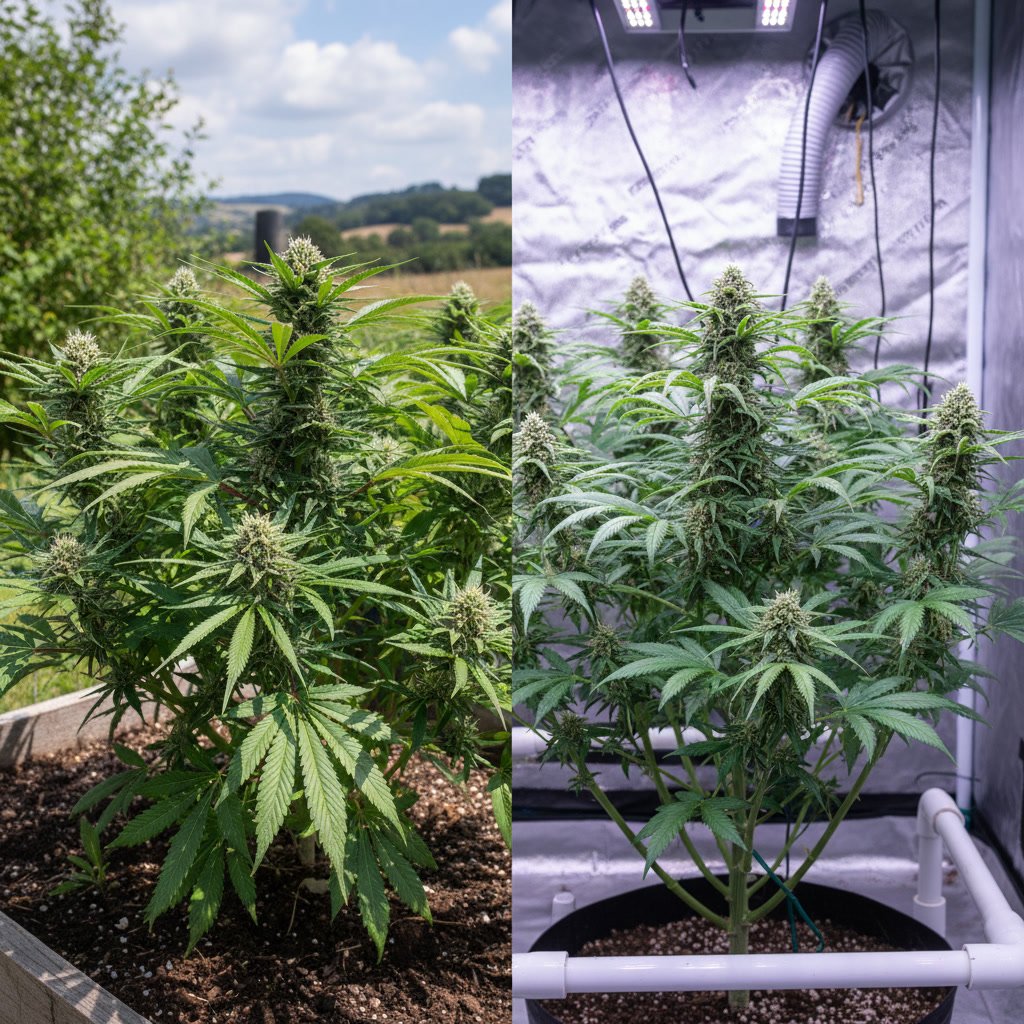
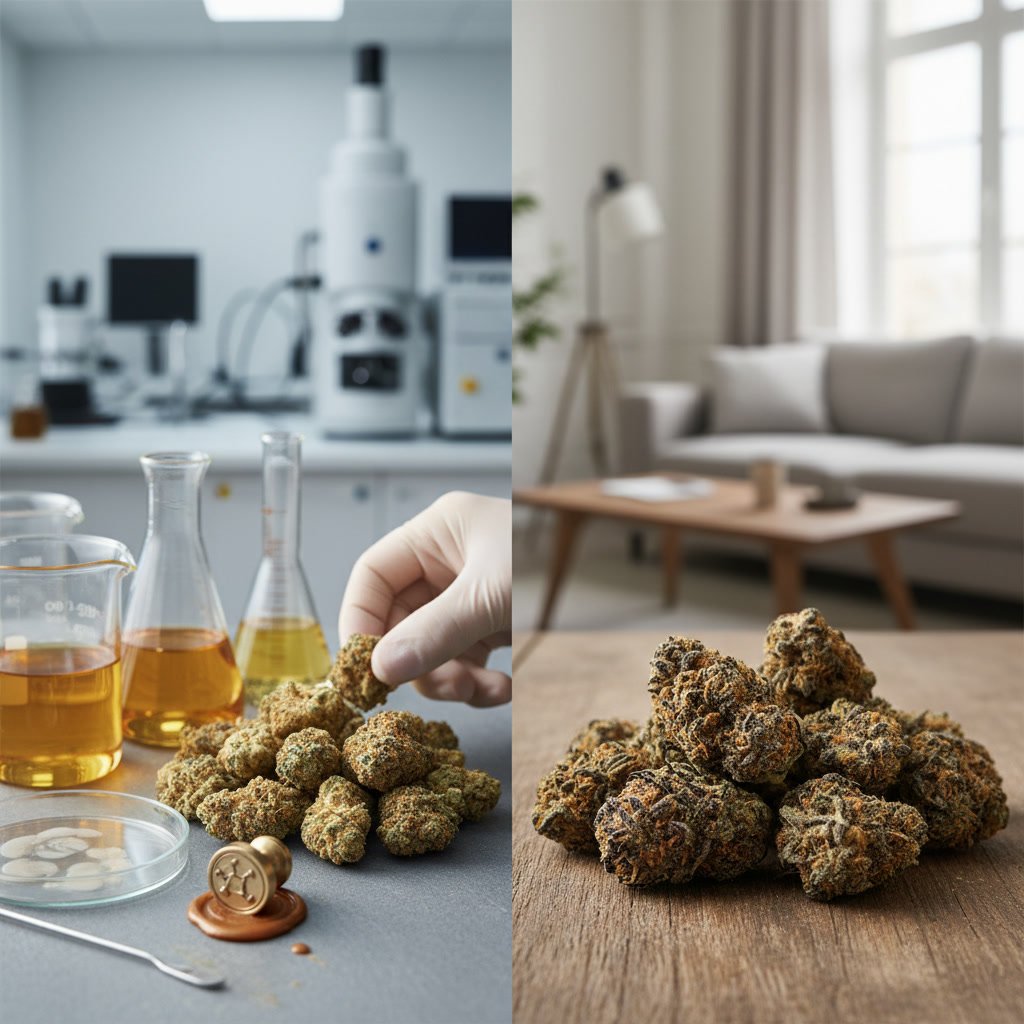
Purchasing lab tested cannabis flower requires checking for specific documentation and packaging markers that verify safety and potency. A legitimate certificate of analysis (COA) from an accredited third-party laboratory shows cannabinoid percentages, terpene profiles, and confirms the absence of pesticides, heavy metals, mold, and residual solvents. Without these verifications, you risk consuming contaminated or mislabeled products that can harm your health.
Why Laboratory Testing Became Standard in the Cannabis Industry
The cannabis market evolved from unregulated sources to a structured industry where consumer safety drives product standards. Early cannabis products lacked oversight, leading to inconsistent quality and safety risks. As legal markets expanded, regulatory bodies mandated third-party testing to protect consumers from harmful contaminants and ensure accurate labeling. States with legal cannabis programs now require licensed producers to test batches before sale, creating accountability throughout the supply chain.
Testing became critical after numerous incidents where untested products contained dangerous levels of pesticides or microbial contamination. Medical patients especially needed reliable information about cannabinoid content to manage dosing accurately. The industry responded by establishing testing protocols that screen for multiple safety and quality factors, transforming cannabis from an unknown commodity into a measurable, verifiable product.
What Certificates of Analysis Reveal About Your Flower
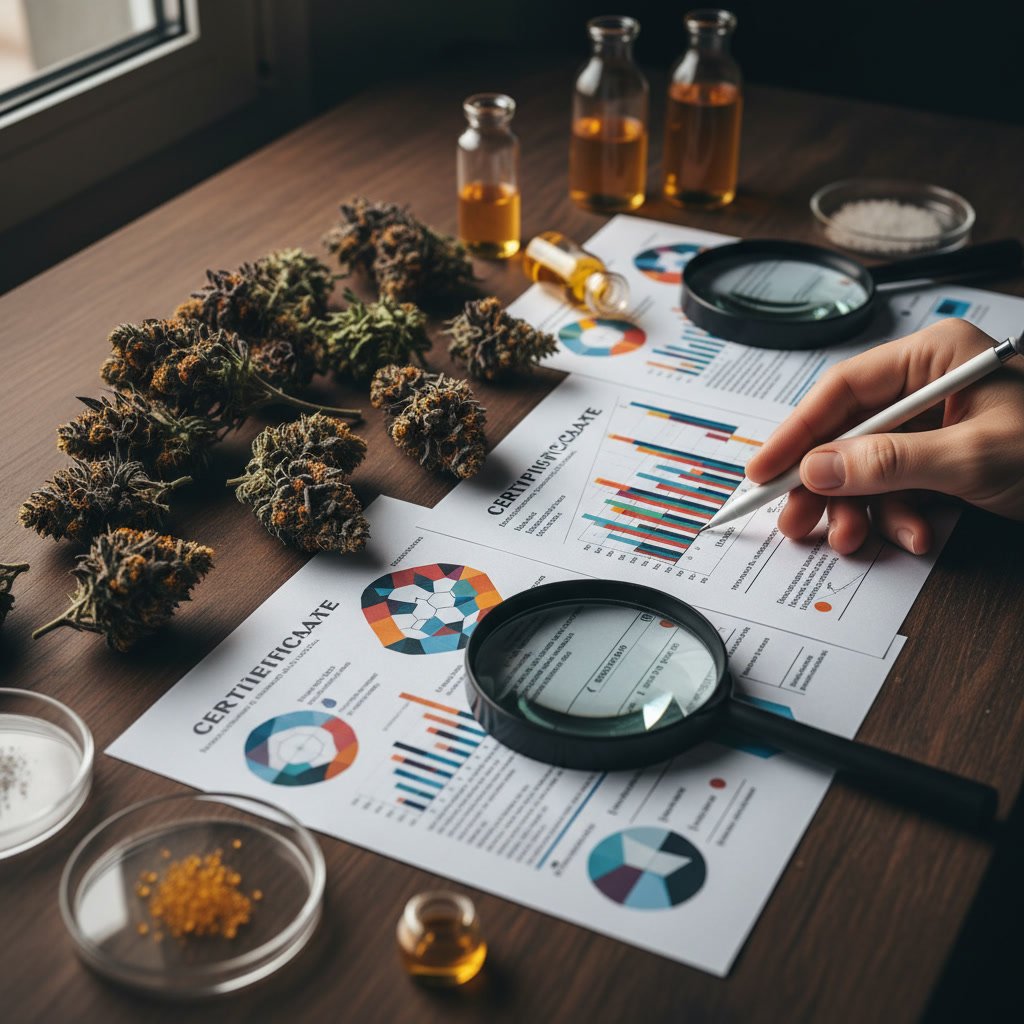
A certificate of analysis serves as your product’s report card, showing exactly what laboratory technicians found during testing. COAs list THC and CBD percentages, minor cannabinoids like CBG and CBN, and terpene profiles that affect aroma and effects. The document includes the testing laboratory’s name, batch or lot number, testing date, and pass or fail status for contaminant screens.
Quality COAs display results for pesticide screening, testing for dozens of chemicals commonly used in cultivation. They check heavy metal levels including lead, arsenic, mercury, and cadmium that can accumulate in plants grown in contaminated soil. Microbial testing identifies dangerous mold, yeast, bacteria, and pathogens like E. coli or Salmonella. Residual solvent testing applies to concentrates but sometimes appears on flower reports to verify clean processing.
Five Physical Signs on Packaging That Indicate Proper Testing
Legitimate tested flower arrives in packaging that meets regulatory requirements and displays specific information. Look for a QR code or URL that links directly to the product’s COA, allowing you to verify results before purchase. The package should show the harvest date, packaging date, and expiration or best-by date, indicating proper inventory tracking.
State-compliant packaging includes a unique identification number or batch code that matches the COA. You’ll find cannabinoid percentages printed directly on the label, typically showing total THC, total CBD, and sometimes other cannabinoids. Child-resistant packaging is mandatory in regulated markets, using mechanisms that meet Consumer Product Safety Commission standards.
Opacity requirements prevent light degradation, with most compliant packaging using opaque materials rather than clear containers. Warning labels and symbols appear prominently, including cautionary statements about impairment and age restrictions. Missing any of these elements suggests the product may not meet testing standards or comes from unlicensed sources.
Understanding Different Laboratory Accreditation Standards
Not all testing laboratories maintain equal standards, making accreditation status crucial. ISO/IEC 17025 accreditation represents the gold standard, requiring laboratories to demonstrate technical competence, quality management systems, and valid testing procedures. State cannabis regulatory agencies often maintain lists of approved testing facilities that must meet specific criteria to analyze commercial products.
Accredited laboratories undergo regular audits, participate in proficiency testing programs, and maintain strict chain of custody protocols. They calibrate equipment regularly, train staff continuously, and follow standardized testing methods that ensure reproducible results. Some states require laboratories to test blind samples with known values to verify accuracy before granting approval.
How Testing Protects You From Common Contaminants in LaBelle
Laboratory analysis identifies contaminants that visual inspection cannot detect, protecting your respiratory and overall health. Pesticide residues from cultivation can concentrate in flower, causing neurological effects, hormone disruption, or allergic reactions. Heavy metals absorbed from soil or water damage organs over time with repeated exposure, particularly affecting kidneys and the nervous system.
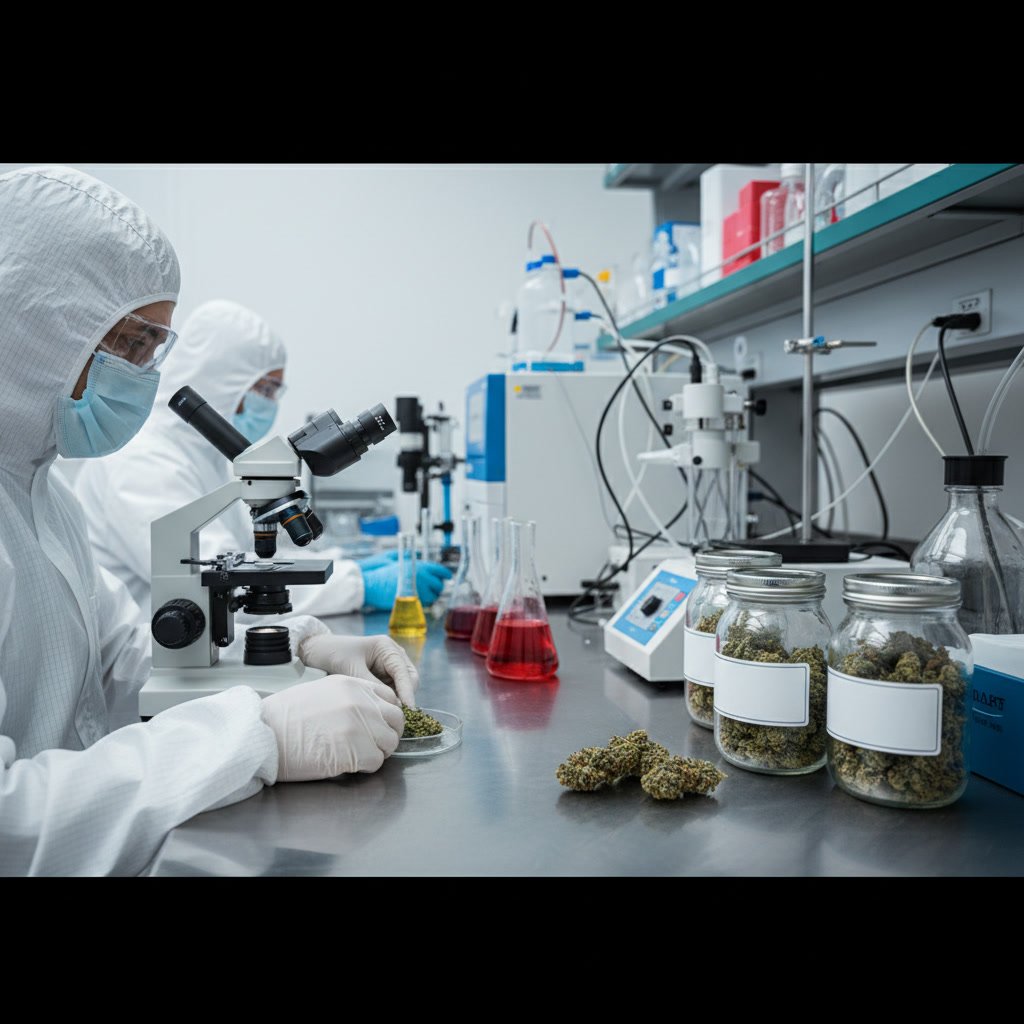
Mold and fungal contamination pose serious risks for anyone with compromised immunity, potentially causing lung infections or severe allergic responses. Cannabis grown in humid environments without proper airflow becomes susceptible to powdery mildew, botrytis, and aspergillus. Microscopic examination and culture testing catch these dangers before they reach consumers.
Residual solvents appear when producers use extraction methods improperly or fail to purge concentrates thoroughly. While more common in extracts, some flower undergoes processing that can leave traces of butane, propane, or ethanol. Testing ensures these volatile compounds stay below safe threshold limits established by toxicology research.
Red Flags That Suggest Untested or Fake Lab Results
Several warning signs indicate questionable testing practices or fraudulent documentation. Extremely high THC percentages exceeding 35% warrant skepticism, as most quality flower ranges between 18% and 30%. Labels claiming zero contaminants across all categories seem suspiciously perfect, since even clean products sometimes show trace amounts within acceptable limits.
Generic or blurry COA images that lack clear laboratory branding or contact information often indicate forgeries. Testing dates that significantly predate packaging dates suggest old results being recycled for new batches. Missing batch numbers or mismatched codes between packaging and COAs prevent verification of the actual product you’re purchasing.
Refusal to provide COAs upon request represents a major red flag, as reputable retailers keep documentation readily available. Vague claims like “laboratory tested” without specific laboratory names or accessible results mean nothing verifiable. Prices far below market rates often correlate with untested or failed products being sold through gray market channels.
Comparing Testing Requirements Across Different Cannabis Product Types
Testing standards vary by product category, with flower, concentrates, and edibles facing different safety concerns. Flower testing focuses on moisture content, water activity levels that predict mold growth, and cannabinoid distribution throughout the plant material. Concentrates undergo additional residual solvent testing due to extraction processes, with stricter limits than flower.
Edibles require testing for both cannabis-specific safety and food safety standards, checking for ingredients like dairy or nuts that affect allergen labeling. Homogeneity testing ensures even cannabinoid distribution so each serving contains the advertised dose. Topicals and tinctures face stability testing to verify shelf life and potency retention over time.
Understanding these differences helps you evaluate whether testing was appropriate for the product type. A concentrate without solvent testing or an edible without homogeneity verification suggests incomplete safety screening. Similar testing principles apply across product categories available at trusted retailers, whether you’re examining lab tested CBD lotions for arthritis or traditional flower products.
Step-by-Step Process for Verifying a Certificate of Analysis
Start by locating the batch number on your product packaging, then find the matching COA either through a QR code or the retailer’s website. Confirm the testing laboratory name appears clearly on the COA and search for that laboratory online to verify it exists and holds proper accreditation. Check the state cannabis regulatory website for lists of approved testing facilities if available.
Next, verify the testing date falls within a reasonable timeframe before your purchase, typically within six months for flower products. Cross-reference the batch or lot number on the COA with your packaging to ensure they match exactly. Review all contaminant categories to confirm they show actual test results rather than just “pass” or “N/A” entries.
Contact the laboratory directly if you have questions about the COA or want to verify its authenticity. Legitimate laboratories maintain customer service lines and can confirm whether a specific COA was issued for a given batch. Take note of detection limits listed for each contaminant category, as overly high limits may miss dangerous contamination levels.
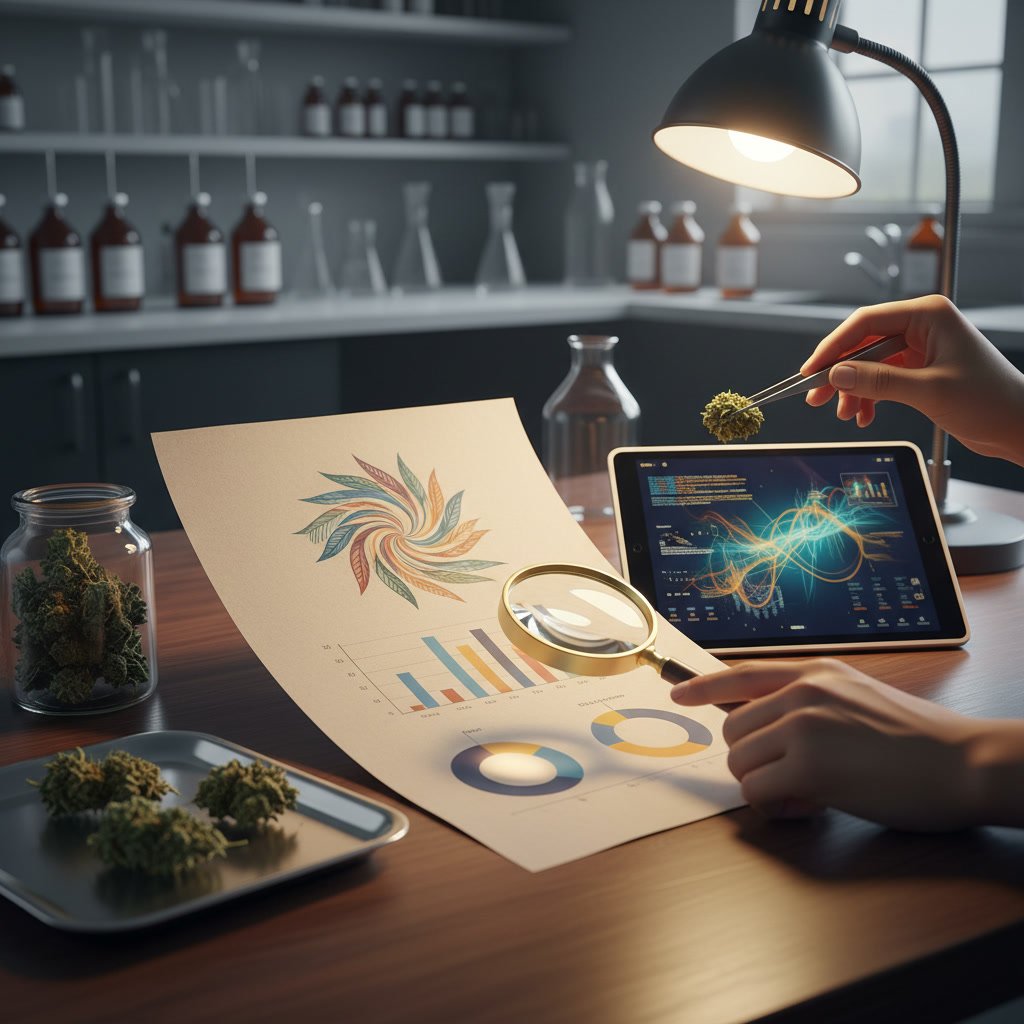
Why Cannabinoid Percentages Matter Beyond Just THC Content
Complete cannabinoid profiles tell you much more than just potency, revealing the flower’s potential effects and therapeutic applications. CBD content modulates THC’s psychoactive effects, creating more balanced experiences and reducing anxiety some users feel with high-THC products. Minor cannabinoids like CBG show promise for inflammation, while CBN appears in aged flower and may promote sleep.
The ratio between cannabinoids affects your experience more than absolute percentages. A 15% THC flower with 8% CBD produces entirely different effects than 15% THC with negligible CBD. THCA (the acidic precursor to THC) converts to THC when heated, so total THC calculations include both THCA and existing THC to show actual available potency.
Testing also reveals whether flower was harvested at optimal maturity, as cannabinoid ratios shift throughout the plant’s lifecycle. Early harvest shows more THCA and less CBN, while late harvest increases CBN as THC degrades. These details help you select products that match your desired effects, whether you need daytime clarity or evening relaxation.
How Terpene Testing Adds Another Layer of Safety and Quality Information
Terpenes determine aroma, flavor, and contribute to effects through interactions with cannabinoids. Testing identifies specific terpenes and their concentrations, showing whether the strain’s characteristic profile is present. Myrcene creates earthy, musky notes and may enhance THC absorption. Limonene provides citrus aroma and potential mood elevation. Pinene offers pine scent and may improve alertness.
Terpene profiles also serve as authentication markers, as each strain should display consistent terpene ratios. Significant deviations suggest misidentification, improper storage that degraded terpenes, or mixing of different batches. Fresh, properly cured flower retains terpenes better than old or poorly stored products, making terpene percentages an indicator of overall quality and handling.
Some safety considerations relate to terpene testing as well. Certain terpenes irritate airways at high concentrations, information that matters for people with respiratory sensitivities. Testing confirms the flower hasn’t been artificially enhanced with added terpenes or flavoring agents, which some producers use to mask inferior flower quality. Just as consumers research quality indicators like trichome structure, terpene profiles reveal authenticity and proper cultivation practices.
Building Trust Through Transparency and Verified Products
Safety in cannabis consumption starts with retailers who prioritize verified, tested products and educate customers about documentation. Understanding how to read certificates of analysis, recognize proper packaging markers, and identify red flags empowers you to make informed decisions. Laboratory testing transformed cannabis from an unpredictable substance into a measurable product where you know exactly what you’re consuming.
The differences between tested and untested flower extend beyond legal compliance to fundamental health protection. Contaminants invisible to the naked eye require sophisticated laboratory equipment to detect, making testing non-negotiable for anyone concerned about what enters their body. Quality retailers maintain relationships with reputable producers who consistently deliver verified, compliant products backed by transparent documentation.
Kush Kingdom LLC built its foundation on the principle that customers deserve honest guidance and access to thoroughly vetted products. Every item undergoes careful verification of lab reports to ensure compliance and quality standards. If you have questions about testing documentation, cannabinoid profiles, or want to examine certificates of analysis for specific products, reach out at +18633732644 to speak with knowledgeable staff who understand the importance of safety verification.