Professional towing vehicle securing starts with equipment selection, vehicle assessment, and proven tie-down techniques that protect your car, truck, or SUV during transport. Operators inspect attachment points, apply weight distribution principles, and use redundant safety systems to eliminate movement that causes scratches, dents, or mechanical damage. The process combines industry-standard hardware with operator expertise gained through thousands of successful tows.
When your vehicle breaks down or needs transport, understanding how professionals handle the loading process helps you recognize quality service and know what to expect. The difference between a careful operator and a rushed one can mean the difference between a vehicle that arrives unscathed and one that suffers costly damage.
Why Vehicle Loading Method Matters More Than Speed
The loading method determines whether your vehicle experiences stress, scraping, or misalignment during the tow. Rushed operators who skip assessment steps or use incorrect tie-down points create situations where vehicles shift, bounce, or drag against the truck bed. This movement causes paint damage, suspension stress, and sometimes mechanical failure in transmission or drivetrain components.
A proper assessment takes three to five minutes but prevents thousands of dollars in damage. Operators examine ground clearance, check for existing damage to document, identify the drivetrain type, and select appropriate lift points. Vehicles with low ground clearance require different approaches than trucks or SUVs, and all-wheel-drive systems demand special consideration to avoid transmission damage.
The Right Equipment for Different Vehicle Types
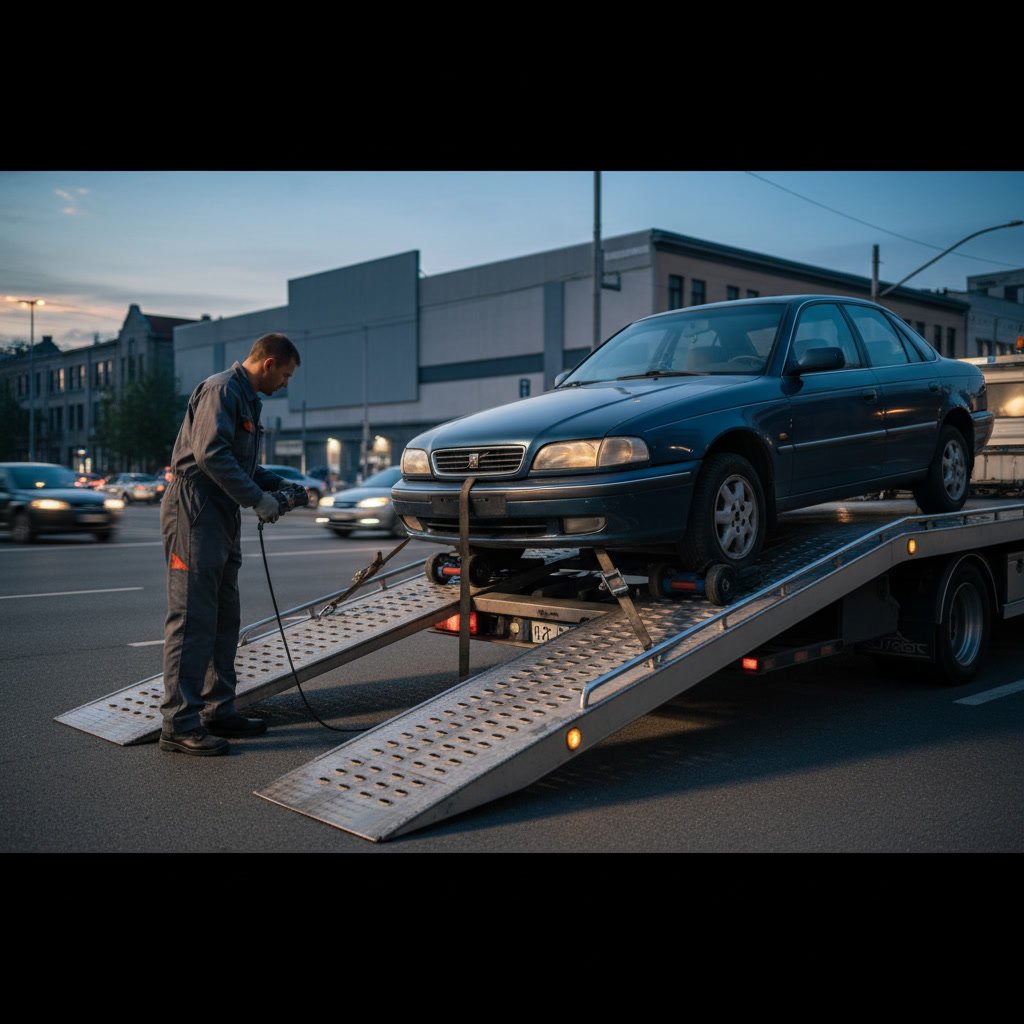
Flatbed trucks provide the safest transport for most vehicles because all four wheels rest on a solid platform. The bed tilts hydraulically, allowing the operator to winch the vehicle up a gentle incline rather than lifting it at steep angles. This method works for everything from compact cars to heavy trucks and eliminates the risk of bumper or undercarriage contact that wheel-lift systems sometimes create.
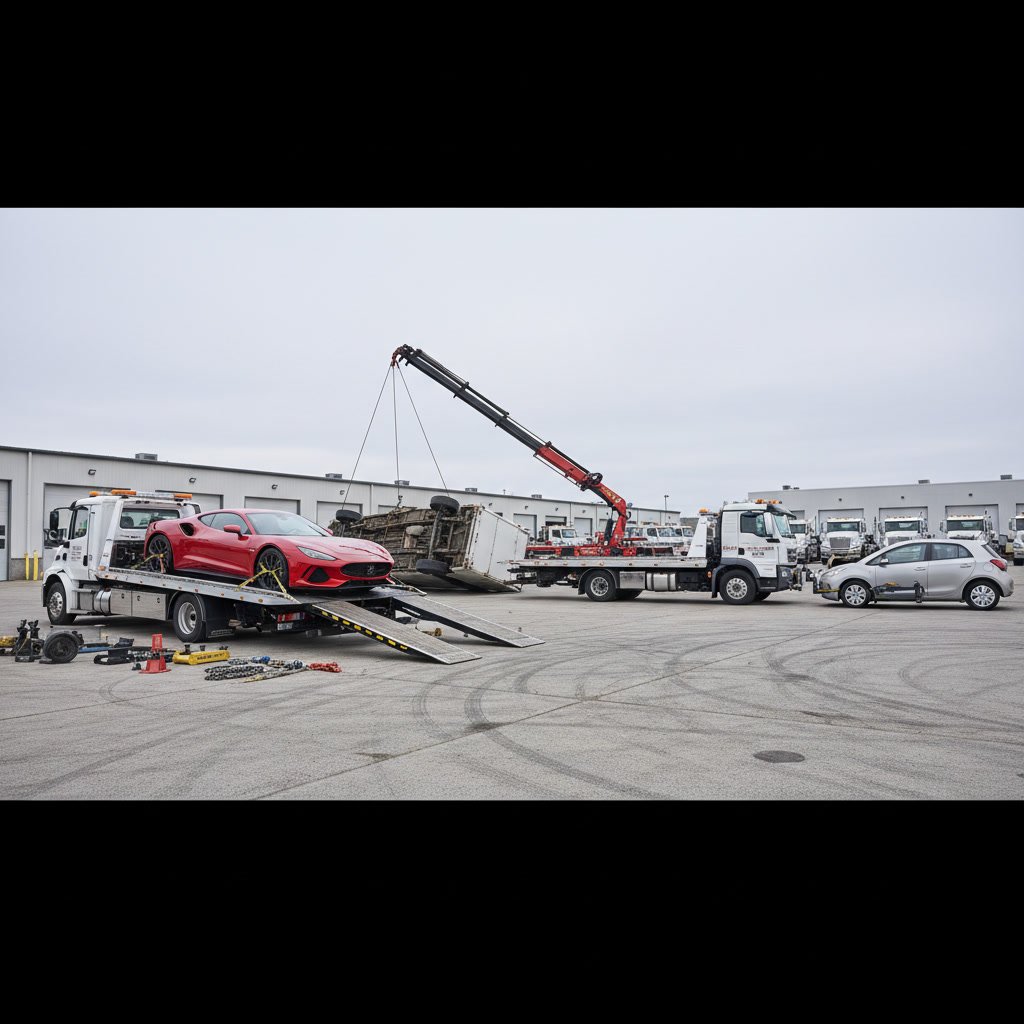
Wheel-lift systems attach to the front or rear wheels and lift one end of the vehicle while the other end rolls on its own wheels. Modern wheel-lift equipment uses padded cradles that grip tires without touching rims or bodywork. This method works well for short-distance tows when the vehicle’s drivetrain allows it, but operators must verify that the drive wheels are lifted to prevent transmission damage.
Hook-and-chain systems have largely disappeared from professional fleets because they contact the vehicle frame or axle directly, creating scratches and stress points. Reputable operators reserve these systems for junk vehicles headed for salvage, where cosmetic damage is not a concern.
Step-by-Step Vehicle Loading Process in Seattle
The loading sequence follows a specific order that prioritizes safety and vehicle protection. First, the operator positions the tow truck to minimize the incline angle, reducing strain on the winch and vehicle. Second, they attach the winch cable or strap to factory-designated tow hooks or frame points, never to suspension components or bumper covers that can tear away under load.
Third, the operator guides the vehicle onto the bed or lift while monitoring clearance on both sides and underneath. Fourth, they position the vehicle to distribute weight evenly across the truck’s axles, which affects handling and braking during transport. Fifth, they engage the parking brake and place the transmission in park or first gear to add a mechanical backup to the tie-down system.
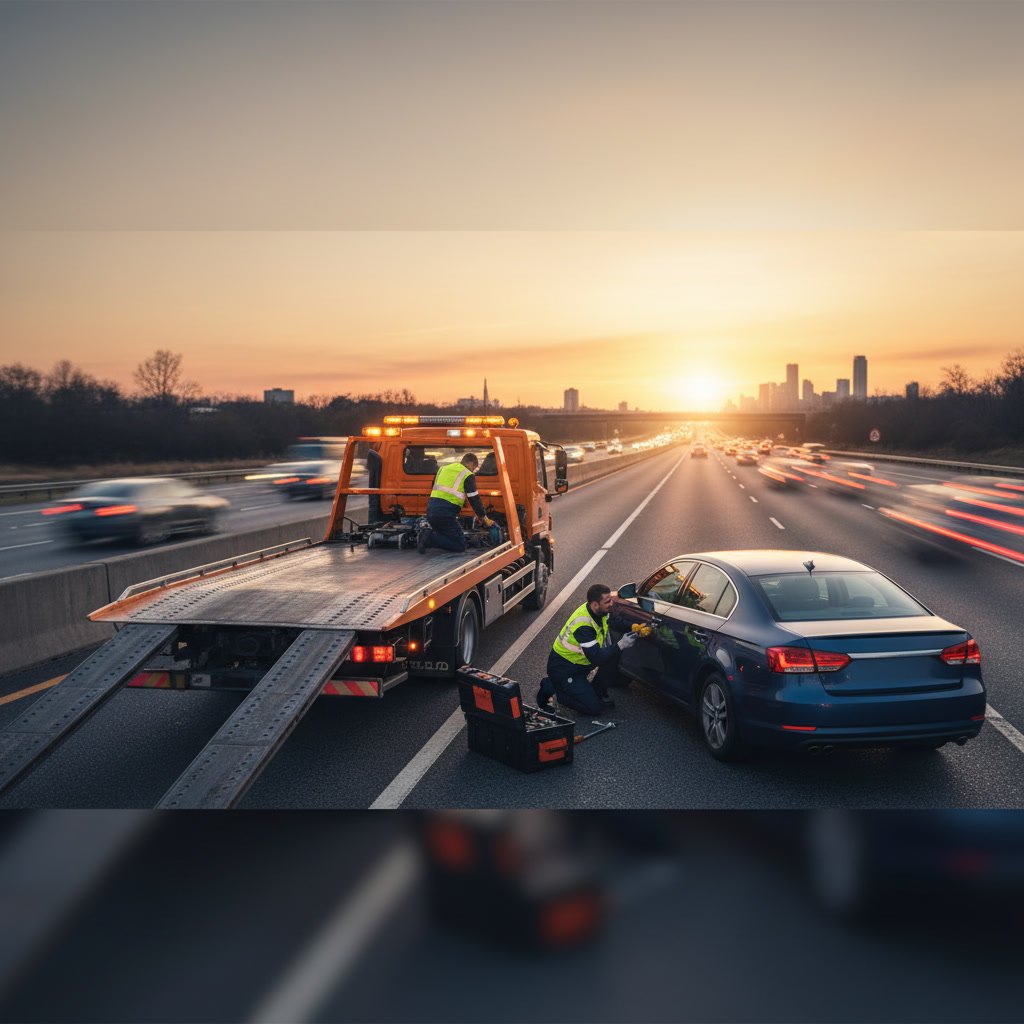
Professional roadside assistance teams complete this process efficiently without rushing steps that matter. Each vehicle presents unique challenges, from modified suspensions to aftermarket body kits that change ground clearance.
Tie-Down Points That Protect Frame and Suspension
Factory tow hooks and designated tie-down points distribute force across reinforced sections of the frame. These points exist specifically to handle the stress of securing and transport, unlike control arms, sway bars, or exhaust hangers that can bend or break under tension. Operators consult vehicle-specific guides when tow hooks are not visible or when working with exotic or modified vehicles.
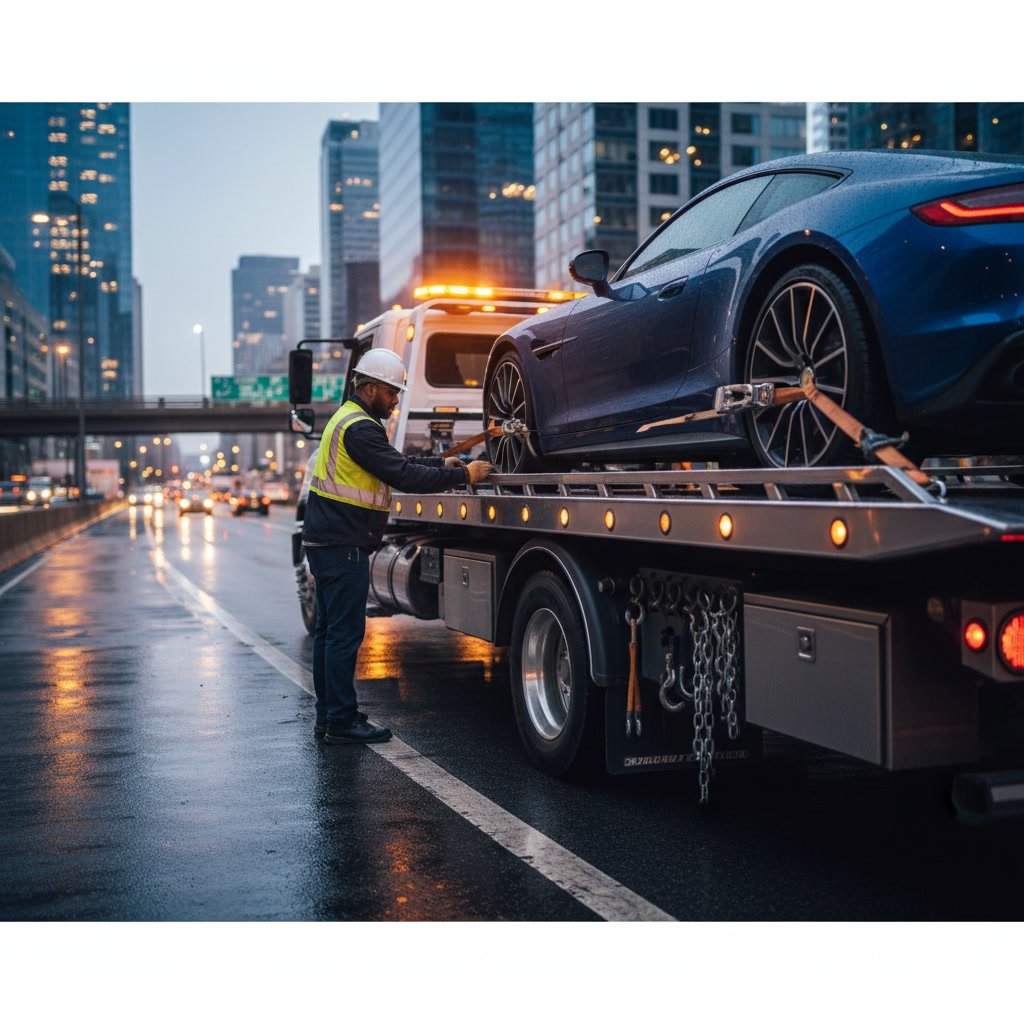
Using four independent tie-down straps creates a redundant system where failure of one strap does not release the vehicle. Each strap attaches at a different corner, forming an X pattern that resists forward, backward, and lateral movement. The straps angle down from the vehicle to the truck bed at roughly 45 degrees, which provides the best resistance to shifting in any direction.
Strap Tension and the Physics of Secure Transport
Over-tightening straps compresses suspension components and can actually reduce security by lifting wheels off the bed surface. Under-tightening allows movement that builds momentum during braking or cornering. The correct tension keeps the vehicle firmly planted with slight compression in the suspension, typically achieved with ratchet straps rated for 3,000 to 5,000 pounds of working load.
Operators test tension by pushing down on each corner of the vehicle after securing. The vehicle should resist movement without bouncing freely. Straps should show slight tension visible along their length but should not hum or vibrate when plucked. This balance comes from experience and understanding how different vehicles respond to securing force.
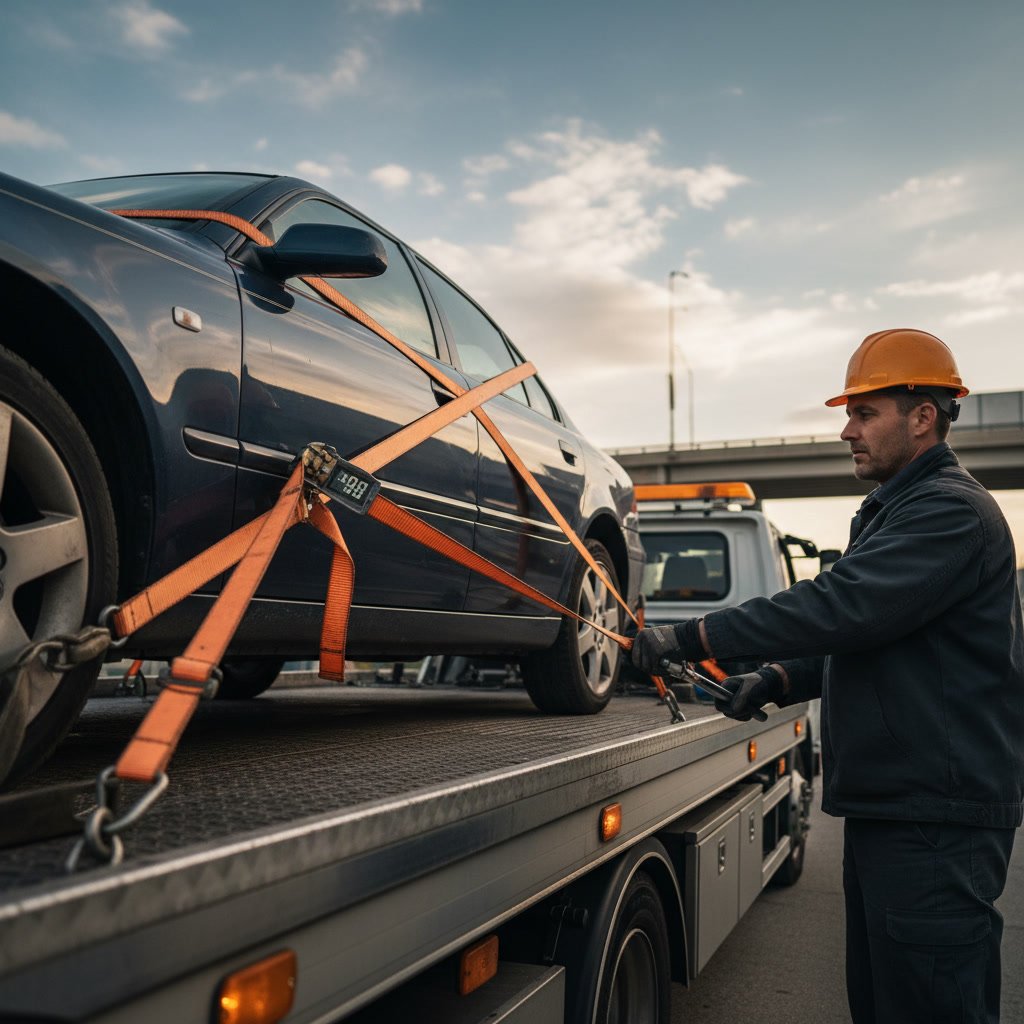
Professional operators re-check strap tension after the first mile of transport because initial movement can settle the load and reduce tension. This mid-transport check catches any loosening before it becomes a safety issue. It takes less than two minutes but prevents the kind of shifting that damages vehicles and creates road hazards.
Wheel Chocks and Secondary Safety Systems
Wheel chocks provide mechanical backup that prevents rolling if straps fail or loosen. Operators place chocks against at least two wheels, positioned on the downhill side relative to the bed’s tilt. On flatbeds, chocks stay in place during transport as an additional layer of security, especially for heavier vehicles where momentum creates greater force.
Some operators also use wheel nets or basket straps that wrap around the entire tire and wheel assembly. These devices capture the wheel independently of the tie-down system and are particularly useful for vehicles with damaged suspensions or those being transported long distances at highway speeds.
Special Considerations for All-Wheel and Four-Wheel Drive Vehicles
All-wheel-drive systems and some four-wheel-drive vehicles cannot be towed with any wheels on the ground without risking transmission damage. The transfer case remains engaged even in neutral, causing internal components to spin without lubrication during transport. This issue makes flatbed towing the only safe option for many AWD sedans and crossovers.
Operators who understand drivetrain configurations protect your vehicle’s mechanical systems as carefully as its exterior. They ask about drivetrain type during dispatch and arrive with appropriate equipment rather than attempting wheel-lift methods that save time but destroy transmissions. If you drive an AWD vehicle and need transport, understanding why flatbed towing protects these drivetrains helps you avoid operators who don’t follow proper protocols.
Load Distribution and Weight Balance During Transport
Vehicle placement on the bed affects how the tow truck handles, brakes, and corners. Too much weight forward of the truck’s rear axle creates a pendulum effect that makes steering difficult. Too much weight behind the axle lifts the front of the truck, reducing steering control and braking power on the front wheels.
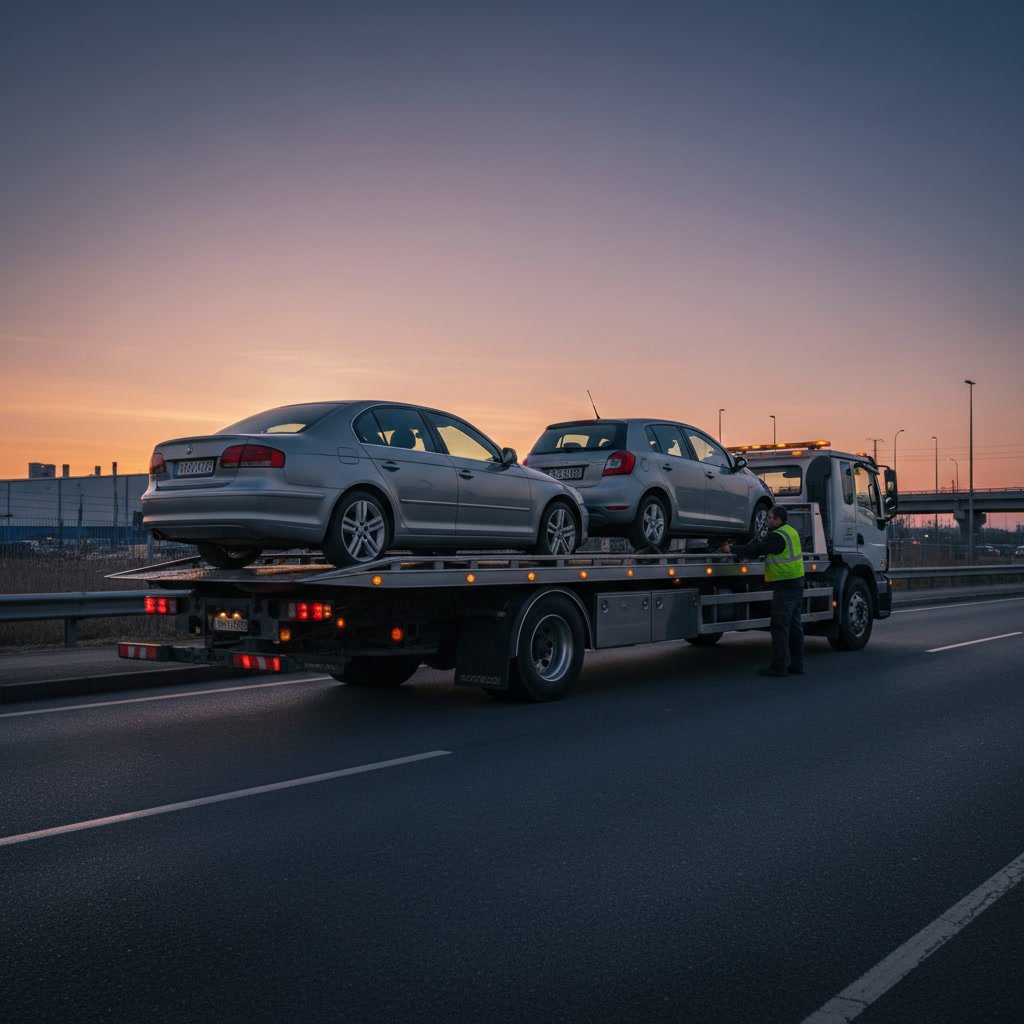
Operators position the vehicle so its center of gravity falls slightly forward of the truck’s rear axle. This placement keeps weight on the steer axle for control while distributing load across both truck axles for stability. The exact position varies based on vehicle weight, truck specifications, and whether the operator is towing multiple vehicles on a larger carrier.
Documentation and Pre-Transport Inspection
Photographing the vehicle before loading creates a record of pre-existing damage and protects both the customer and the towing company. Professional operators document all four sides, the undercarriage when visible, and any existing scratches, dents, or modifications. This documentation takes less than a minute with a smartphone but provides critical evidence if disputes arise.
The inspection also identifies fluid leaks, tire condition, and loose parts that might fall during transport. Operators note these issues on the service ticket and sometimes recommend securing or removing loose items like unsecured spoilers, antennas, or damaged bumper covers. This attention to detail separates careful professionals from operators who simply hook and go.
Professional Standards Protect Your Investment
Proper loading and securing techniques reflect an operator’s training, experience, and commitment to quality service. The methods described here represent industry best practices that protect vehicles worth thousands to hundreds of thousands of dollars. When you need transport, choosing an operator who follows these protocols matters far more than choosing the fastest or cheapest option.
Understanding what professional securing looks like helps you evaluate service quality and ask informed questions. You should see multiple tie-down points, appropriate equipment for your vehicle type, and an operator who takes time to position and inspect rather than rushing through the process. These details indicate a company that values your vehicle as much as you do.
Smith Towing applies professional loading and securing standards to every vehicle we transport, from daily commuters to luxury cars requiring special handling. Our operators train continuously on the latest techniques and equipment, and we maintain a fleet that includes flatbeds and modern wheel-lift systems to handle any vehicle type safely. When your vehicle needs transport, proper securing protects your investment and ensures it arrives in the same condition it left. Call +18633732644 to speak with our team about safe, professional towing that treats your vehicle with the care it deserves.