Transporting a vehicle that won’t start or run requires different handling than a functional car. The safest approach involves using a flatbed tow truck or wheel-lift system with proper securing methods, ensuring the transmission remains in neutral and the steering wheel is unlocked. Professional roadside assistance providers use specialized equipment to prevent damage to the drivetrain, suspension, and body during transport.
Why Non Running Vehicles Need Special Transport Considerations
A car that doesn’t run presents unique challenges during transport. Without engine power, you can’t rely on the vehicle’s systems to assist with loading or movement. The steering may lock if the ignition can’t turn on, making directional control impossible. The transmission might not shift properly without power, potentially causing internal damage if the vehicle is dragged or towed incorrectly.
Dead batteries complicate the process further. Many modern vehicles have electronic parking brakes that won’t release without electrical power. The transmission shifter on some cars requires battery power to move out of park. These electronic dependencies mean traditional towing methods can cause serious mechanical problems if not handled correctly.
The Risks of Improper Towing Methods
Dragging a non-operational vehicle damages multiple components simultaneously. The transmission suffers the most when rear wheels remain on the ground during a tow. Even short distances can destroy internal gears and clutches, leading to repair bills that exceed the vehicle’s value. Front-wheel-drive cars towed from the rear face similar risks if the transmission isn’t in neutral.
The suspension and steering systems also take damage from improper towing. Locked steering wheels cause tire scrubbing and alignment issues. Suspension components bend under unusual stress when wheels drag at angles they weren’t designed to handle. Paint scratches, undercarriage scrapes, and bumper damage are common when vehicles are loaded onto equipment without proper clearance measurements.

Flatbed Towing as the Safest Option
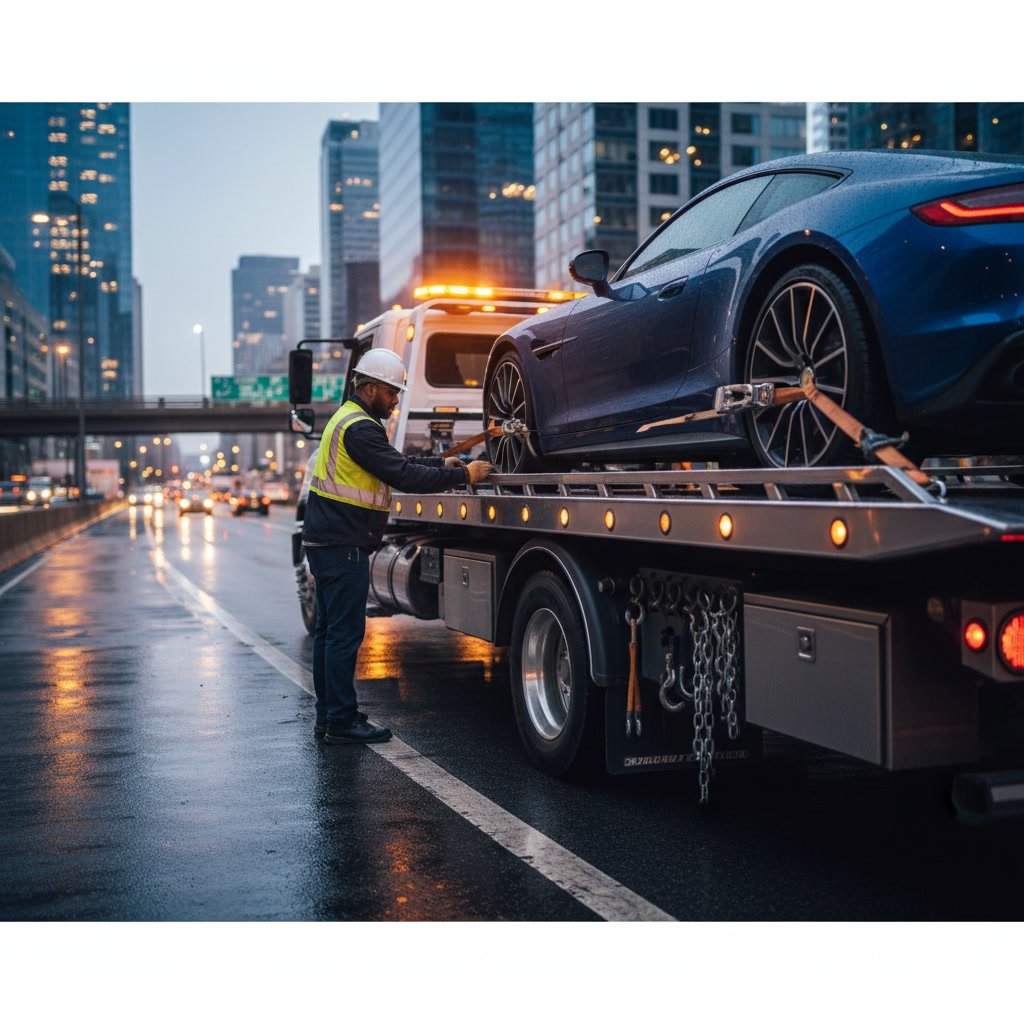
Flatbed trucks eliminate nearly all risks associated with towing non running car scenarios. The entire vehicle sits on a flat platform, with all four wheels off the ground. No drivetrain components move during transport, protecting the transmission, differential, and axles from any stress. This method works equally well for front-wheel, rear-wheel, and all-wheel-drive vehicles.
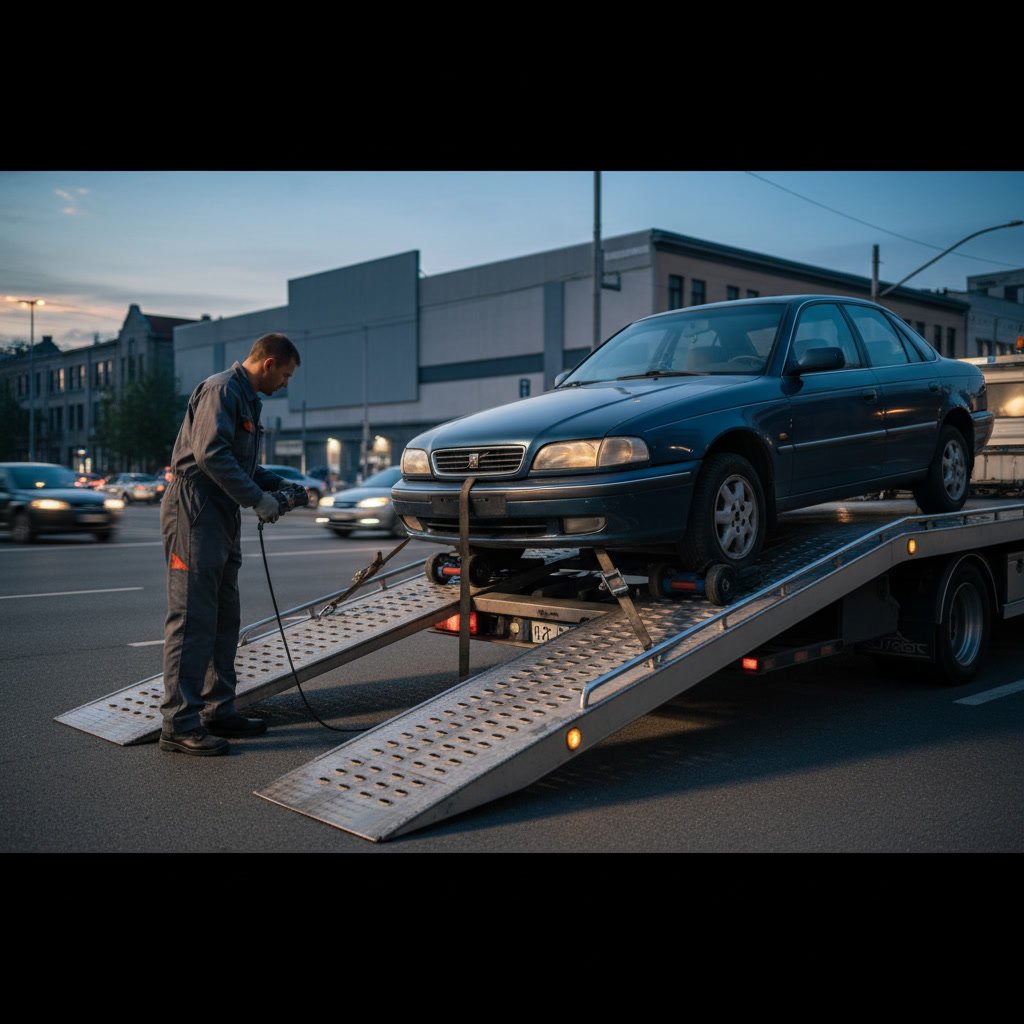
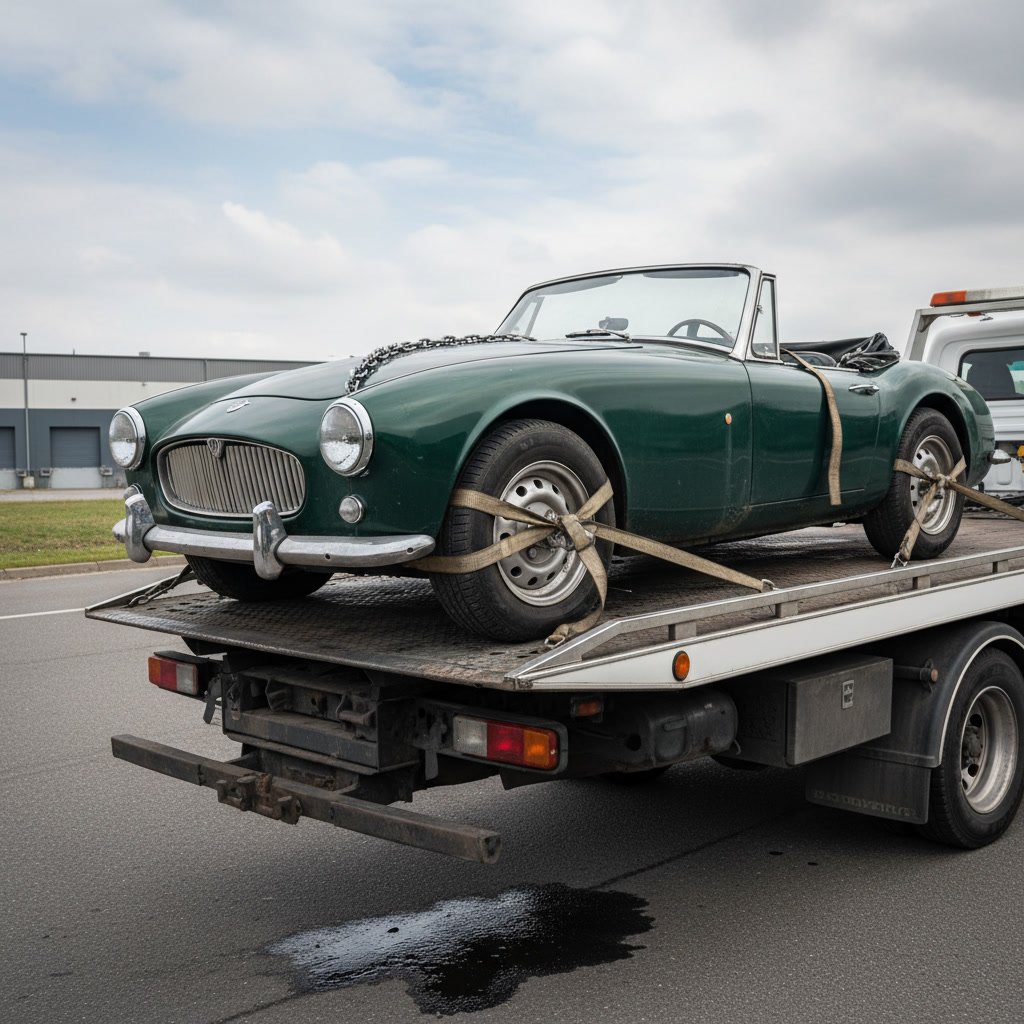
Loading onto a flatbed requires a winch system to pull the vehicle up the angled ramp. Professional operators position the vehicle precisely to distribute weight evenly across the bed. Proper centering prevents shifting during transport and ensures the truck handles safely on highways and turns. The vehicle is then secured with heavy-duty chains or straps at multiple anchor points.
Flatbeds also protect vehicles from weather and road debris during transport. The low profile of the bed reduces wind resistance and prevents additional stress on body panels. For vehicles with existing damage or mechanical issues beyond just being non-operational, this enclosed protection proves invaluable.
Wheel Lift Systems for Lighter Vehicles
Wheel-lift tow trucks lift either the front or rear wheels off the ground while the opposite end rolls on its own wheels. This method costs less than flatbed service but requires careful consideration of which end to lift. Front-wheel-drive cars should be lifted from the front to keep the drive wheels off the pavement. Rear-wheel-drive vehicles need rear-wheel lifting for the same reason.
The challenge with wheel-lift systems on non-running vehicles involves the need to shift the transmission into neutral. Without power, this can be impossible on many modern cars. Some vehicles have a manual transmission release mechanism hidden near the shifter, but finding and using it requires specific knowledge for each make and model. All-wheel-drive vehicles should never use wheel-lift towing, as it can destroy the transfer case even when the transmission is in neutral.
Preparing Your Vehicle Before Transport in Seattle
Preparation reduces damage risk and speeds up the towing process. Check that the steering wheel isn’t locked by attempting to turn it slightly. If it won’t budge and the ignition won’t turn, the steering lock presents a problem that requires professional handling. Document any existing damage with photos before the tow truck arrives, creating a clear record of the vehicle’s condition.
Remove loose items from inside the car. Objects on the dashboard, in cup holders, or on seats become projectiles during loading and transport. Secure or remove aftermarket accessories like spoilers, ground effects, or bike racks that might contact the tow equipment. Lower any raised suspension if the vehicle has air ride systems, though this usually requires battery power.
Verify that the parking brake is released. If the brake is electronic and won’t disengage without power, inform the tow operator immediately. They may need to bring additional equipment or use alternative securing methods. For vehicles with manual transmissions, ensure the shifter can move freely into neutral even without the clutch pedal pressed.
Step by Step Professional Loading Process
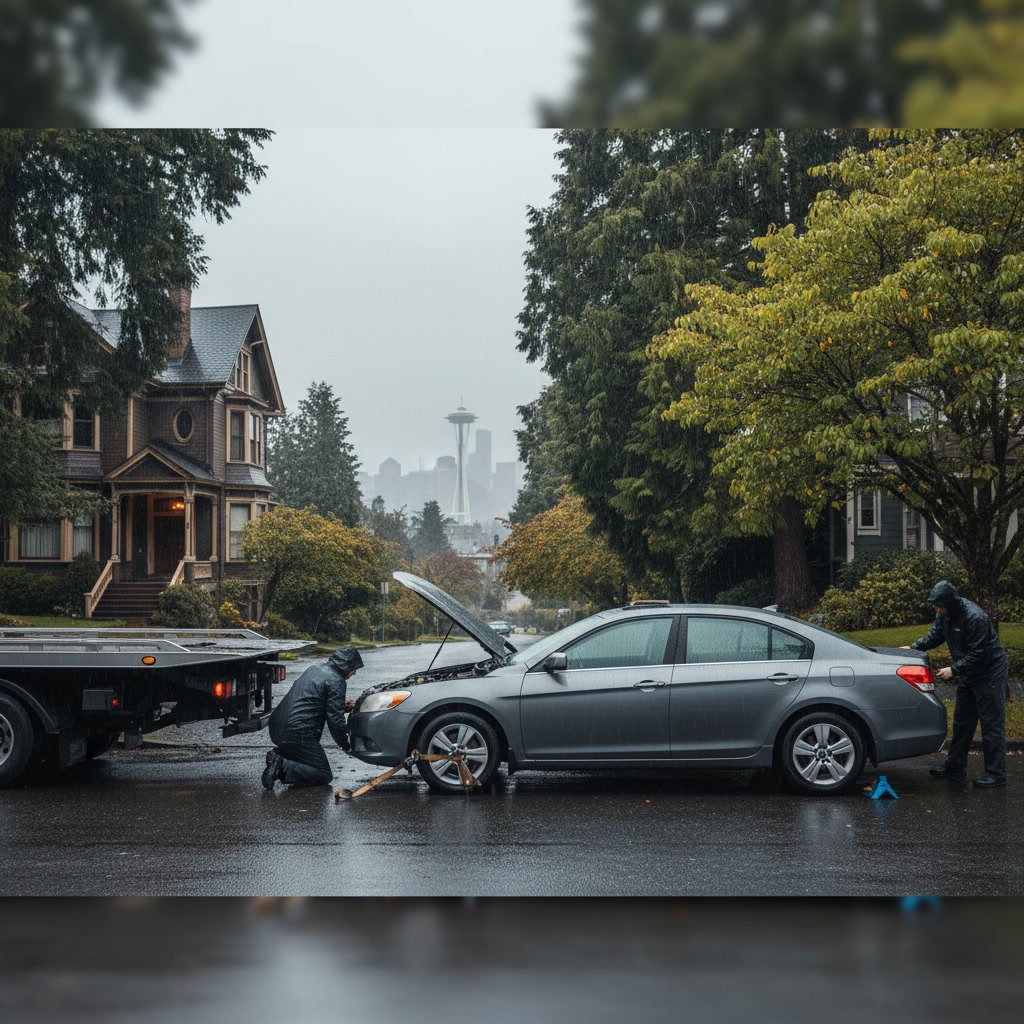
Professional operators begin by assessing the vehicle’s condition and clearance. They measure ground clearance, note any low-hanging components, and identify the best approach angle for loading. The tow truck is positioned to minimize the ramp angle, reducing the risk of scraping the front or rear bumper.
The winch cable or strap attaches to designated tow points on the vehicle frame, never to suspension components or bumper covers. Slow, steady pulling brings the vehicle onto the flatbed or into the wheel-lift cradle. Operators watch for any binding, unusual noises, or clearance issues during this process.
Once positioned, the vehicle is secured at four points minimum. Chains wrap around frame members or axles, with tensioners tightening them to prevent any movement. Wheel straps or chocks keep tires from rolling. The entire securing process takes 10 to 15 minutes when done correctly, but rushing it invites disaster during transport.
Special Considerations for Different Vehicle Types
Luxury vehicles and cars with low ground clearance need extra care during loading. Sports cars often require wooden blocks or special ramps to increase the approach angle and prevent scraping. The front spoiler on performance cars sits mere inches from the ground, making standard loading ramps too steep.
All-wheel-drive vehicles demand flatbed transport exclusively. Towing with any wheels on the ground causes the drivetrain to fight itself, generating heat and destroying expensive components within miles. Even short distances cause catastrophic damage that isn’t covered by most insurance policies when improper towing methods are used.
Modified vehicles with lowered suspension, wide wheels, or custom bodywork require operators familiar with aftermarket components. Standard securing points may be relocated or eliminated on modified cars. Custom wheels might not fit standard wheel straps, requiring alternative securing methods.
Common Mistakes That Cause Transport Damage
The most frequent error is using the wrong towing method for the vehicle’s drivetrain. Towing an all-wheel-drive car with a wheel-lift system destroys the transfer case in minutes. Towing a front-wheel-drive vehicle from the rear with the transmission in park grinds the transmission internals into metal shavings.
Inadequate securing allows vehicles to shift during transport. A car that slides forward during braking can break free from its restraints, causing a dangerous situation on busy highways. Backward sliding damages the tow truck’s bed and the vehicle simultaneously. Side-to-side movement in turns stresses the securing points beyond their design limits.
Using improper attachment points bends or breaks vehicle components. Tow hooks designed for recovery aren’t always rated for the forces involved in winching a car onto a flatbed. Bumper covers and plastic trim pieces tear off when used as attachment points. Suspension components bend when used as securing anchors.
When to Choose Professional Services Over DIY
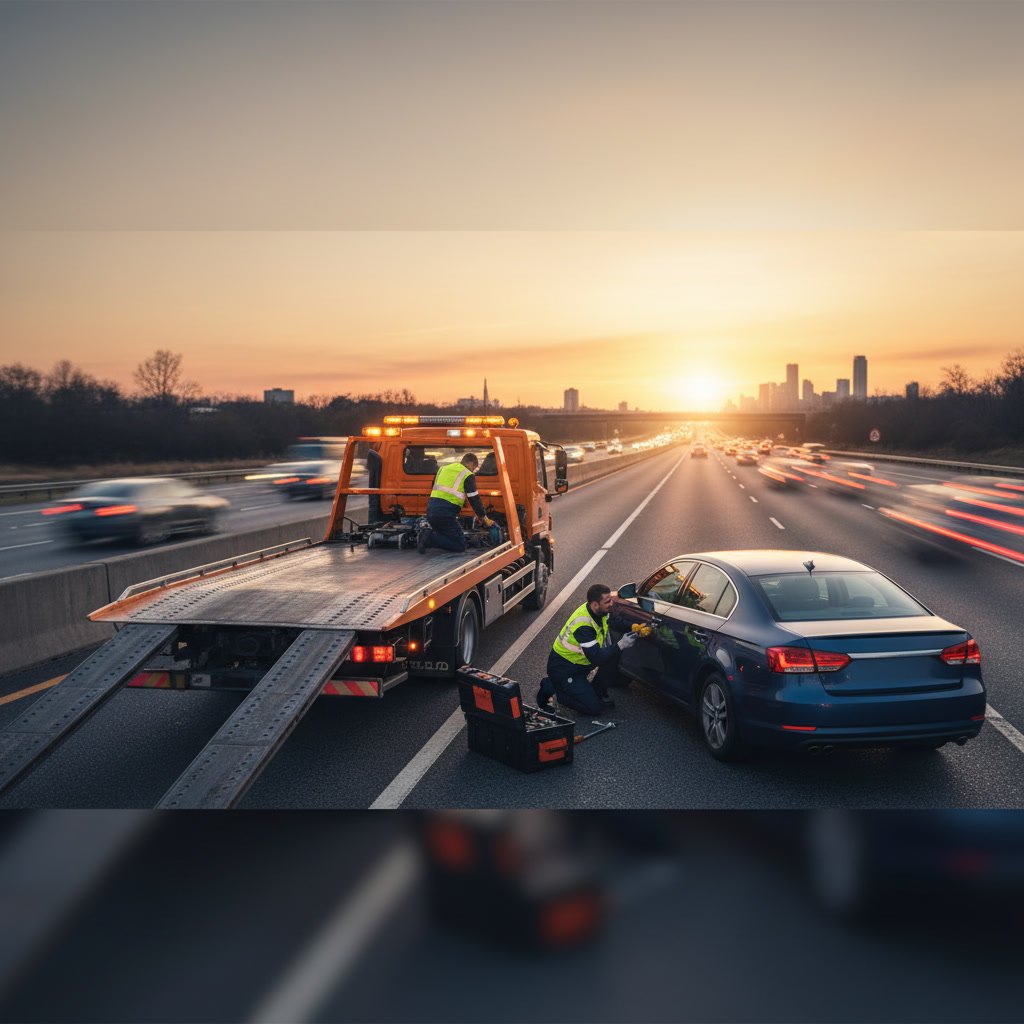
Professional towing services carry insurance that covers damage during transport. If something goes wrong, you’re protected financially. Attempting to tow a non-running vehicle yourself with a friend’s truck and a tow strap exposes you to massive liability if the vehicle breaks free, causes an accident, or suffers damage.
Equipment matters more than most people realize. Professional tow operators use hydraulic systems, reinforced winches, and rated chains that handle multi-ton loads safely. Consumer-grade tow straps and harbor-freight winches fail under the stress of loading a disabled vehicle, often at the worst possible moment.
Experience prevents problems before they occur. Operators who handle disabled vehicles daily recognize potential issues immediately. They know which cars have hidden battery access for electronic brake release, which models have manual transmission overrides, and which vehicles absolutely require flatbed service despite appearing suitable for wheel-lift towing.
If your vehicle is destined for disposal, professional transport remains important. Many people assume getting rid of a non-running vehicle means damage during transport doesn’t matter, but junk car buyers often adjust their offers based on additional damage sustained during towing.
Cost Factors and Service Selection
Flatbed service costs more than wheel-lift towing but provides significantly better protection. Expect to pay 30 to 50 percent more for flatbed transport, though the exact difference varies by distance and provider. The additional cost proves worthwhile when transporting vehicles with mechanical issues, low clearance, or all-wheel-drive systems.
Distance affects pricing more than any other factor. Local transport within a few miles costs considerably less than cross-town or regional towing. Many companies charge a base hookup fee plus a per-mile rate after the first few miles. Ask for detailed pricing before authorizing service, ensuring you understand all fees.
After-hours and emergency service carries premium pricing. If your vehicle dies during normal business hours and isn’t blocking traffic, scheduling transport during standard hours saves money. Weekend and holiday rates typically run 25 to 40 percent higher than weekday pricing.
Protecting Your Investment During Transport
Professional towing services protect non-running vehicles through proper equipment use and experienced handling. Smith Towing operates throughout the region with specialized equipment designed for disabled vehicle transport. Our operators understand the mechanical differences between vehicle types and select appropriate methods for each situation.
Whether your car needs transport to a repair facility, your home, or a disposal center, the methods outlined here prevent costly damage during the move. Flatbed service eliminates nearly all transport risks, while proper wheel-lift techniques work well for suitable vehicles when executed correctly. Preparation before the tow truck arrives speeds the process and reduces complications.
Transporting a disabled vehicle safely requires the right equipment, proper techniques, and experienced operators who understand automotive systems. Smith Towing provides professional vehicle transport services across the Seattle area with flatbed and wheel-lift equipment suited to every situation. Our team handles non-running vehicles daily, ensuring safe transport without mechanical damage. Contact us at +18633732644 for reliable service when your vehicle needs professional transport.