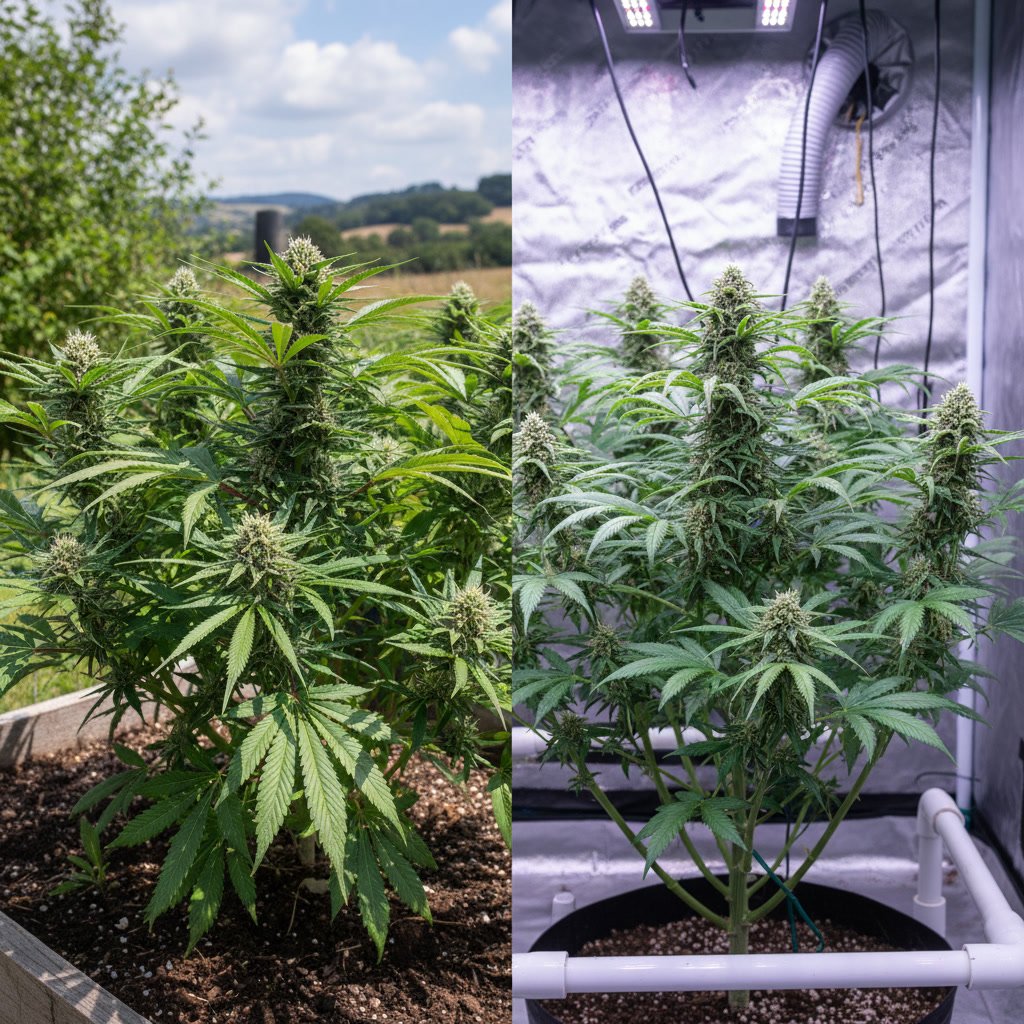

Delta 8 vs Delta 9 THC represents the most common decision point for anyone new to cannabinoids. Delta 9 THC is the primary psychoactive compound in traditional cannabis, offering potent effects that some beginners find overwhelming. Delta 8 THC is a similar but less intense cannabinoid, delivering milder psychoactive experiences while maintaining many of the same therapeutic benefits. Understanding how these compounds differ in strength, duration, and legal status helps you make an informed choice that matches your comfort level and goals.
Understanding the Chemical Difference Between These Cannabinoids
Both Delta 8 and Delta 9 are forms of tetrahydrocannabinol, but their molecular structures differ by only a few atomic bonds. Delta 9 has a double bond on the ninth carbon chain, while Delta 8 has that bond on the eighth carbon. This small variation creates significant differences in how each compound binds to the CB1 receptors in your endocannabinoid system. Delta 9 binds more efficiently, producing stronger psychoactive effects. Delta 8 binds with less affinity, resulting in a gentler experience that many describe as clear-headed and functional.
The body metabolizes both cannabinoids similarly, converting them into 11-hydroxy-THC in the liver. However, the initial receptor interaction determines the intensity of effects you feel. For someone trying cannabis products for the first time, this difference matters significantly.
Potency Levels and How They Affect Your Experience
Delta 9 THC typically produces effects at doses as low as 2.5 to 5 milligrams for beginners, though individual tolerance varies widely. Users report pronounced euphoria, altered perception of time, heightened sensory experiences, and in some cases, anxiety or paranoia at higher doses. A standard Delta 9 edible might contain 10 milligrams per serving, which many first-time users find too strong.
Delta 8 THC requires roughly double the dose to achieve comparable psychoactive effects. Most users need 10 to 20 milligrams to feel noticeable results. The experience tends to be smoother, with less mental fog and reduced likelihood of anxiety. Many people describe it as functional, allowing them to remain productive while enjoying mild relaxation and mood enhancement. This gentler profile makes Delta 8 an attractive entry point for beginners who want to explore cannabinoids without committing to the intensity of Delta 9.
Legal Considerations in LaBelle and Across Florida
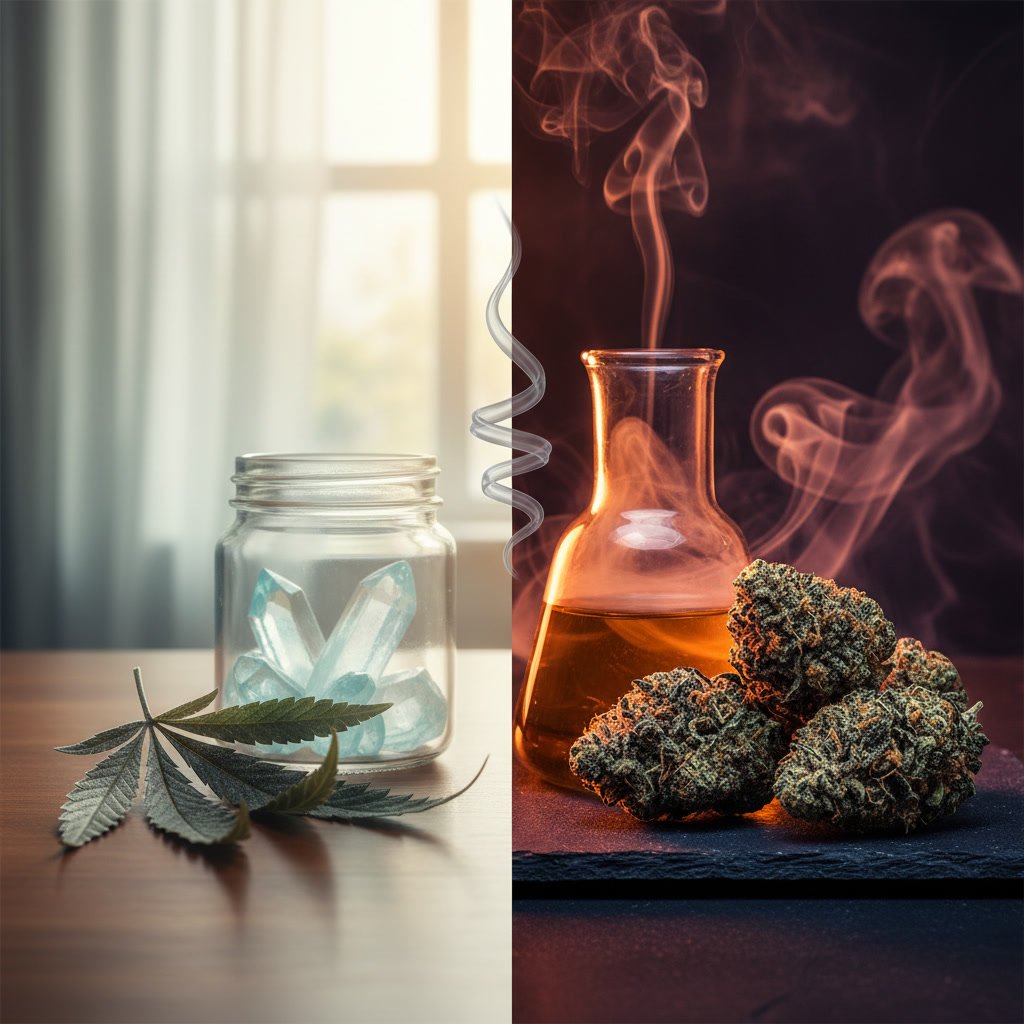
Federal law under the 2018 Farm Bill legalized hemp-derived cannabinoids containing less than 0.3% Delta 9 THC by dry weight. This opened the door for Delta 8 products derived from legal hemp, making them available in most states, including Florida. Delta 8 exists in a gray area where it remains federally legal if sourced from compliant hemp, though some states have moved to restrict it.
Delta 9 THC remains a Schedule I controlled substance at the federal level, though Florida allows medical marijuana for qualified patients. Hemp-derived Delta 9 products are also legal in Florida if they meet the 0.3% threshold by weight, which allows manufacturers to create compliant edibles and tinctures. Kush Kingdom LLC carries both options, ensuring every product meets state and federal compliance standards through third-party lab testing.
Duration and Onset Times You Can Expect
The method of consumption affects how quickly you feel effects and how long they last. Inhalation methods like vaping or smoking deliver both Delta 8 and Delta 9 within minutes, with peak effects around 30 minutes and total duration of two to three hours. Edibles and tinctures take longer to kick in, typically 45 minutes to two hours, but effects can last six to eight hours or more.
Delta 8 edibles tend to have a slightly delayed onset compared to Delta 9, sometimes taking up to 90 minutes before you notice full effects. This longer wait time can lead beginners to take too much too soon, a mistake that causes discomfort even with the milder compound. If you are exploring edibles for the first time, patience is essential regardless of which cannabinoid you choose.
Side Effects and Safety Profile for New Users
Both cannabinoids share a similar safety profile, with no known fatal overdose risk. Common side effects include dry mouth, red eyes, increased appetite, and drowsiness. Delta 9 THC carries a higher likelihood of inducing anxiety, paranoia, or rapid heart rate, especially in sensitive individuals or at higher doses. These effects are temporary but can be unpleasant for someone unprepared.
Delta 8 produces fewer reports of anxiety and paranoia, though it is not entirely free of these risks. Some users still experience mild nervousness or discomfort, particularly if they take too much. The compound also causes dry mouth and drowsiness, so starting with a low dose and waiting to assess your response remains the safest approach. Neither cannabinoid is recommended for individuals with certain heart conditions, pregnant or nursing women, or anyone operating heavy machinery.

Therapeutic Benefits and Why People Choose Each Option
Delta 9 THC has decades of research supporting its use for pain relief, nausea reduction, appetite stimulation, and sleep support. Medical marijuana patients often prefer Delta 9 for managing chronic pain conditions, chemotherapy side effects, and severe insomnia. The stronger psychoactive effects also appeal to recreational users seeking a pronounced high.
Delta 8 offers many of the same benefits with less intensity. Users report effective pain management, reduced nausea, improved mood, and better sleep without the heavy sedation or mental cloudiness of Delta 9. This makes Delta 8 suitable for daytime use or for individuals who need symptom relief but must remain clear-headed. Similar to how some people explore kratom for pain management, Delta 8 provides an alternative path to wellness that balances efficacy with manageability.
Product Forms and Which Ones Suit Beginners Best
Both Delta 8 and Delta 9 come in multiple formats: flower, vape cartridges, disposables, edibles, tinctures, and concentrates. For beginners, tinctures offer the most control because you can measure precise doses and adjust incrementally. Edibles provide convenience and long-lasting effects but require careful dosing and patience. Vaping delivers fast onset, making it easier to gauge your tolerance in real time, though some people prefer to avoid inhalation methods.
Disposable vapes and pre-measured edibles simplify the experience, eliminating guesswork about dosing. Starting with a single-dose gummy or a low-strength disposable lets you test your response without committing to a larger quantity. Whichever form you choose, verify that the product includes lab testing for potency and contaminants. Reputable retailers provide certificates of analysis that confirm what is in the product and ensure it is free from heavy metals, pesticides, and residual solvents.
Step-by-Step Guide to Choosing Your First Cannabinoid
First, identify your primary goal. If you seek mild relaxation, improved mood, or gentle pain relief without strong psychoactive effects, Delta 8 is likely the better starting point. If you need more robust symptom management or want a pronounced recreational experience, Delta 9 may be appropriate once you understand your tolerance.
Second, select a low dose. For Delta 8, start with 5 to 10 milligrams in edible form or a few small puffs from a vape. For Delta 9, begin with 2.5 to 5 milligrams. Wait at least two hours before taking more, especially with edibles. Many beginners make the mistake of redosing too soon, leading to an uncomfortably strong experience.
Third, choose a comfortable setting. Your first experience should happen in a safe, familiar environment where you can relax without obligations. Avoid driving, operating machinery, or making important decisions while learning how cannabinoids affect you.
Fourth, stay hydrated and have snacks on hand. Both cannabinoids can cause dry mouth and increased appetite. Simple preparation enhances comfort and reduces anxiety about side effects.
How Lab Testing Protects Your Health and Experience
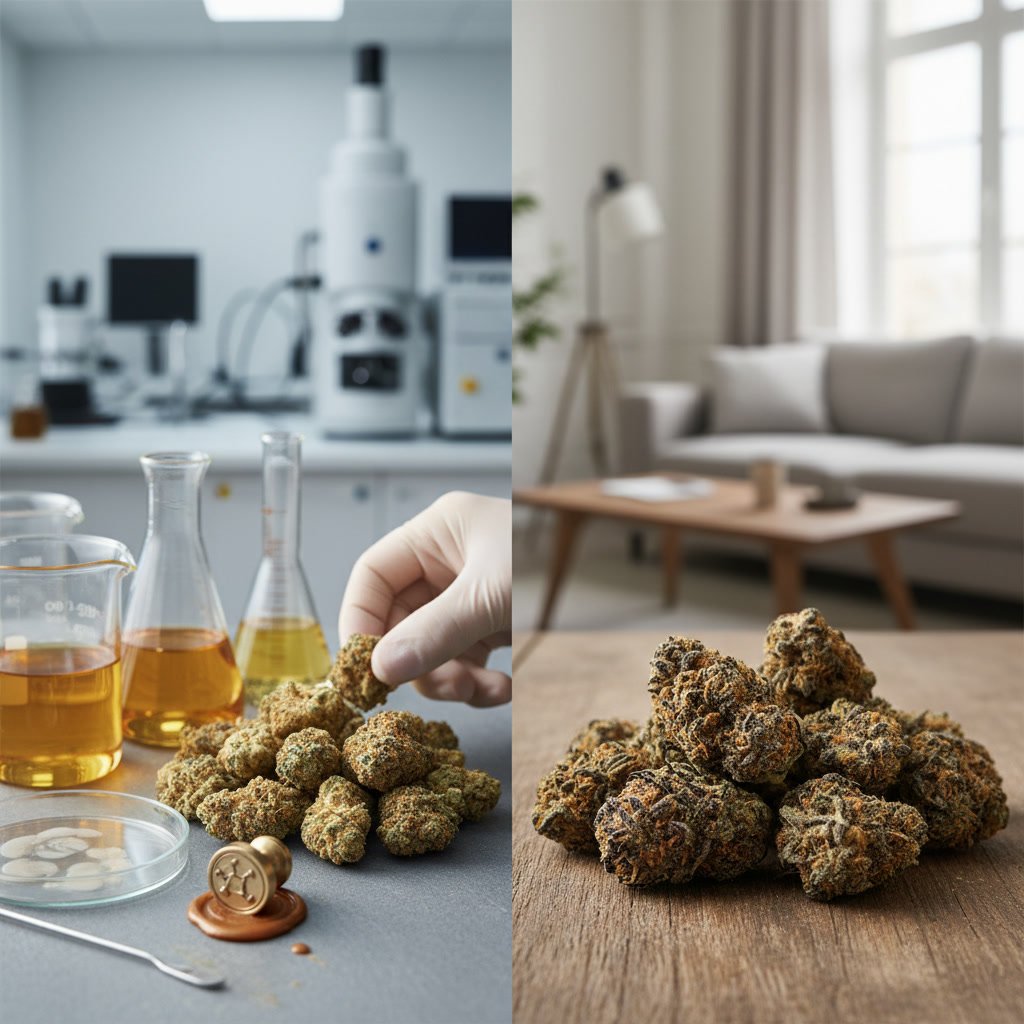
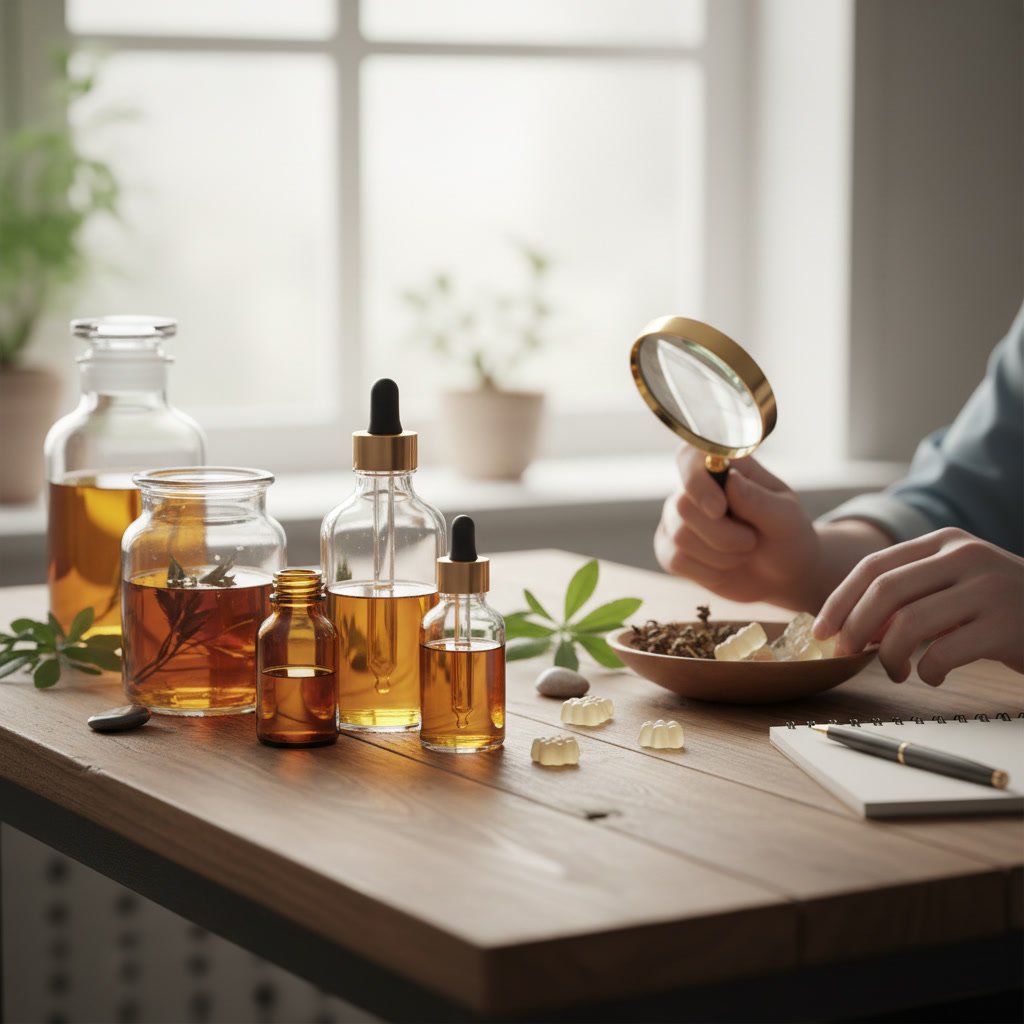
Not all cannabinoid products are created equal. The unregulated nature of the hemp market means some manufacturers cut corners, using untested or contaminated ingredients. Lab testing verifies cannabinoid content, ensuring you get the dose you expect. It also screens for harmful substances like pesticides, heavy metals, residual solvents, and microbial contaminants.
A certificate of analysis from an accredited third-party lab should be easily accessible for any product you consider. This document lists exact cannabinoid percentages, confirms the absence of Delta 9 THC above legal limits for hemp products, and details any detected contaminants. Products without accessible lab results carry unknown risks and should be avoided. Just as with lab-tested CBD products, transparency in testing reflects a retailer’s commitment to customer safety.
Common Mistakes Beginners Make and How to Avoid Them
Taking too much too soon ranks as the most frequent error. Cannabinoids affect everyone differently based on body weight, metabolism, tolerance, and even what you have eaten that day. Starting low and going slow is not just a slogan, it is the safest approach to finding your ideal dose.
Mixing cannabinoids with alcohol or other substances amplifies effects unpredictably and increases the risk of discomfort. Stick to one substance at a time until you fully understand how your body responds.
Ignoring product quality is another pitfall. Cheap, untested products may contain inaccurate cannabinoid levels, harmful additives, or synthetic compounds marketed as natural cannabinoids. Purchasing from knowledgeable retailers who verify product integrity protects your health and ensures a positive experience.
Finding the Right Fit for Your Wellness Journey
Choosing between Delta 8 and Delta 9 ultimately depends on your experience level, desired effects, and comfort with psychoactive substances. Delta 8 offers a gentler introduction with reduced anxiety risk, making it ideal for cautious beginners or those seeking functional relief. Delta 9 delivers stronger therapeutic and recreational effects but requires careful dosing and a higher tolerance for intensity.
Both cannabinoids have legitimate uses and benefits when sourced responsibly and used appropriately. Starting with the milder option allows you to build familiarity with how cannabinoids affect your body, giving you the confidence to explore stronger alternatives if desired. Quality, testing, and informed guidance make all the difference in whether your first experience is positive or overwhelming.
Kush Kingdom LLC in LaBelle was built on the principle that customers deserve honest information and high-quality, lab-tested products. Whether you are curious about Delta 8, ready to try Delta 9, or exploring other wellness options, our team researches and verifies every item we carry to ensure it meets rigorous standards. Visit us at 870 West Hickpochee Ave, unit 200, or call +18633732644 to discuss which cannabinoid fits your needs and how to start your journey safely.