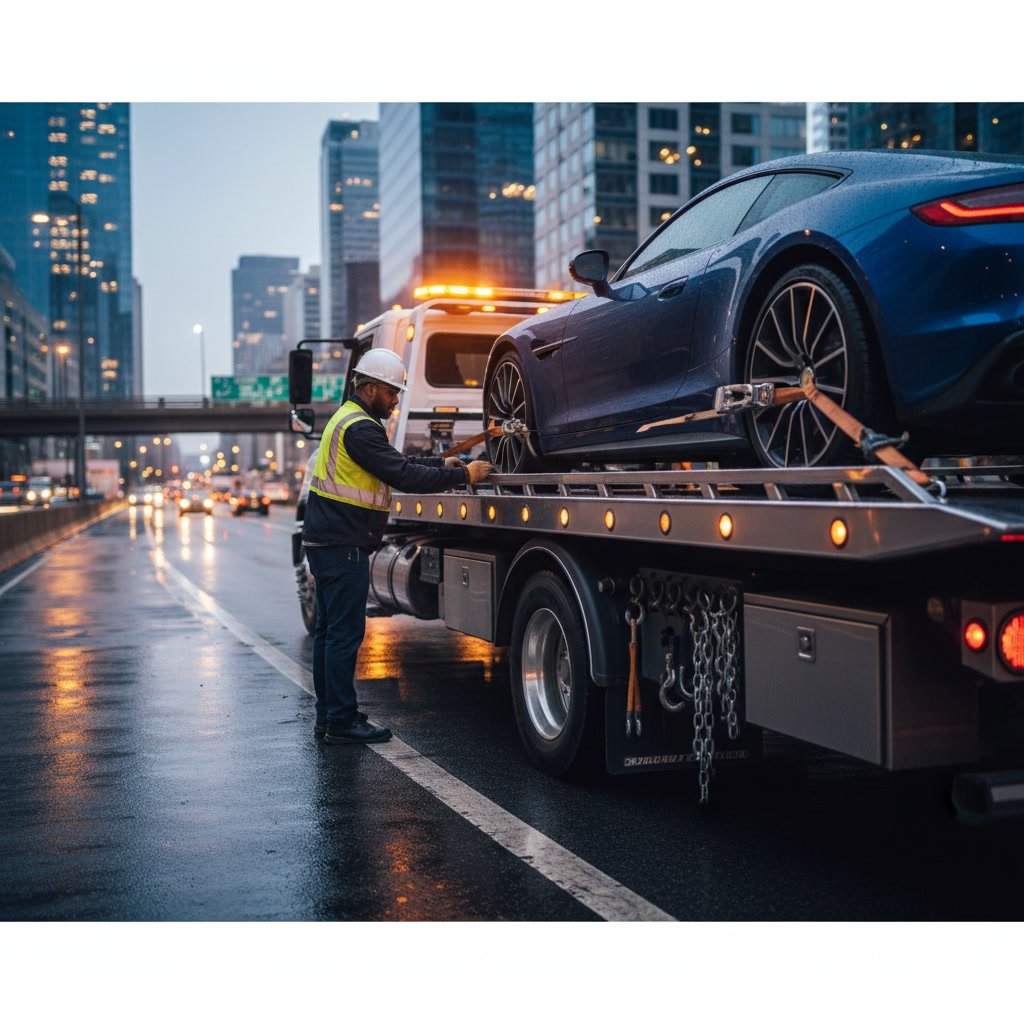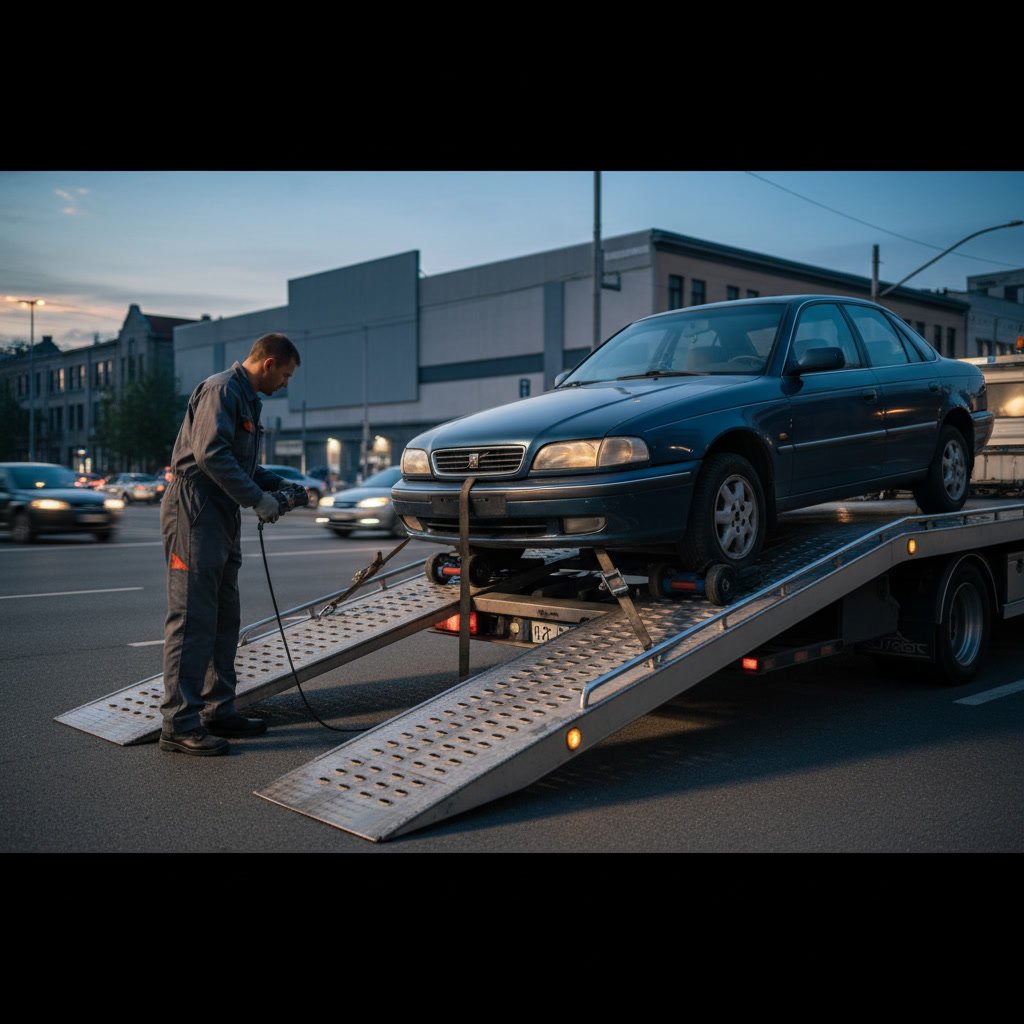
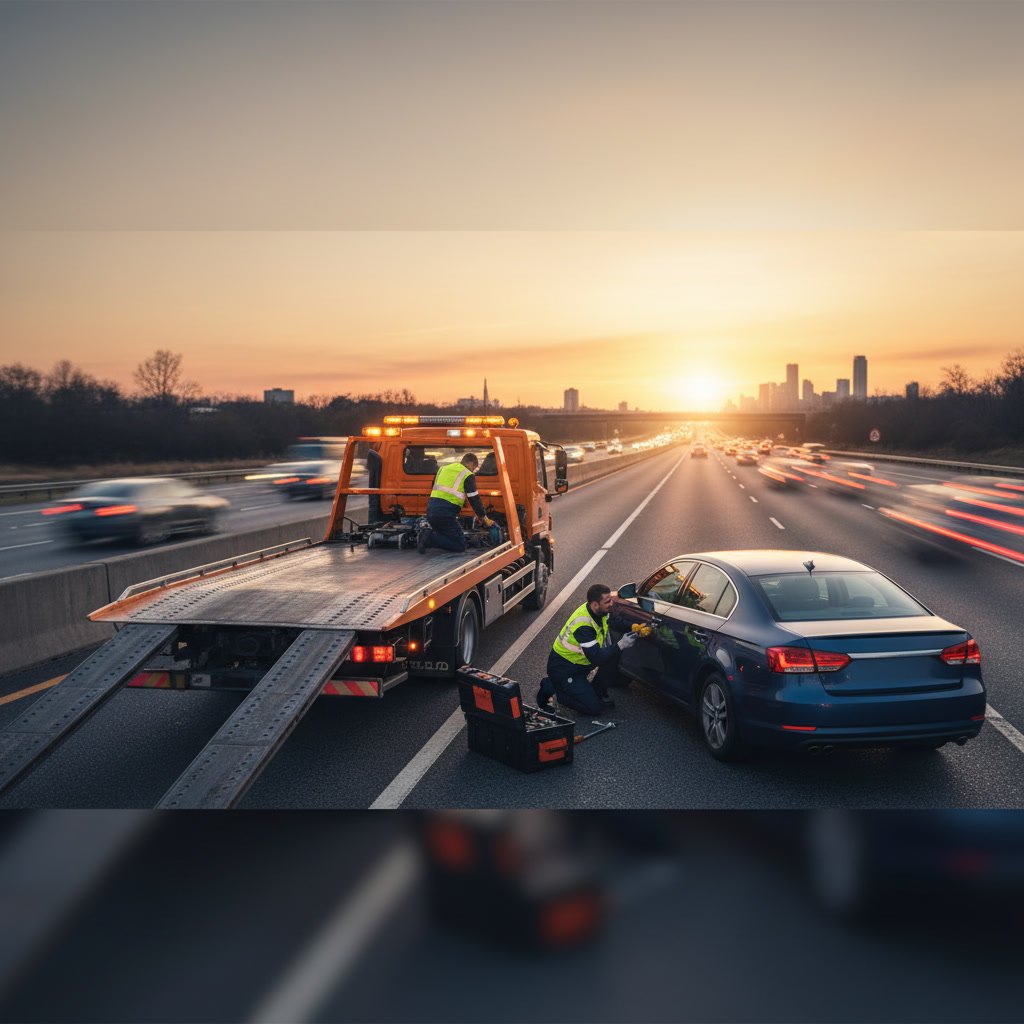
When your car breaks down, deciding whether you need a tow truck or roadside assistance can save you time and money. Most minor issues like a dead battery or flat tire can be resolved on the spot with the right help, while serious mechanical failures, safety concerns, or complete vehicle shutdown require a tow to a repair shop. Understanding the difference helps you make the right call and get back on the road faster.
What Makes a Breakdown a Roadside Issue
Roadside problems are those you can fix without moving your vehicle to a shop. A dead battery is the most common example. If your car won’t start but everything else works normally, a professional jumpstart gets you running again in minutes. Similarly, a flat tire on a safe roadside location can be swapped out with your spare right where you are.
Running out of fuel is another straightforward roadside situation. If your engine sputters to a stop and the fuel gauge reads empty, you don’t need a tow. A quick fuel delivery brings enough gas to reach the nearest station. Locked keys inside your car also fall into this category, as a lockout service can open your door without dragging the vehicle anywhere.
The defining factor is whether the repair happens where your car sits. If a technician can solve the problem in 15 to 30 minutes without specialized shop equipment, roadside assistance is the right choice.
When Mechanical Failure Demands a Tow
Mechanical breakdowns that prevent your car from running safely require a tow. Engine failure is the clearest signal. If your engine overheats and steam pours from under the hood, continuing to drive risks permanent damage. Attempting to restart a seized engine can destroy internal components that cost thousands to replace.
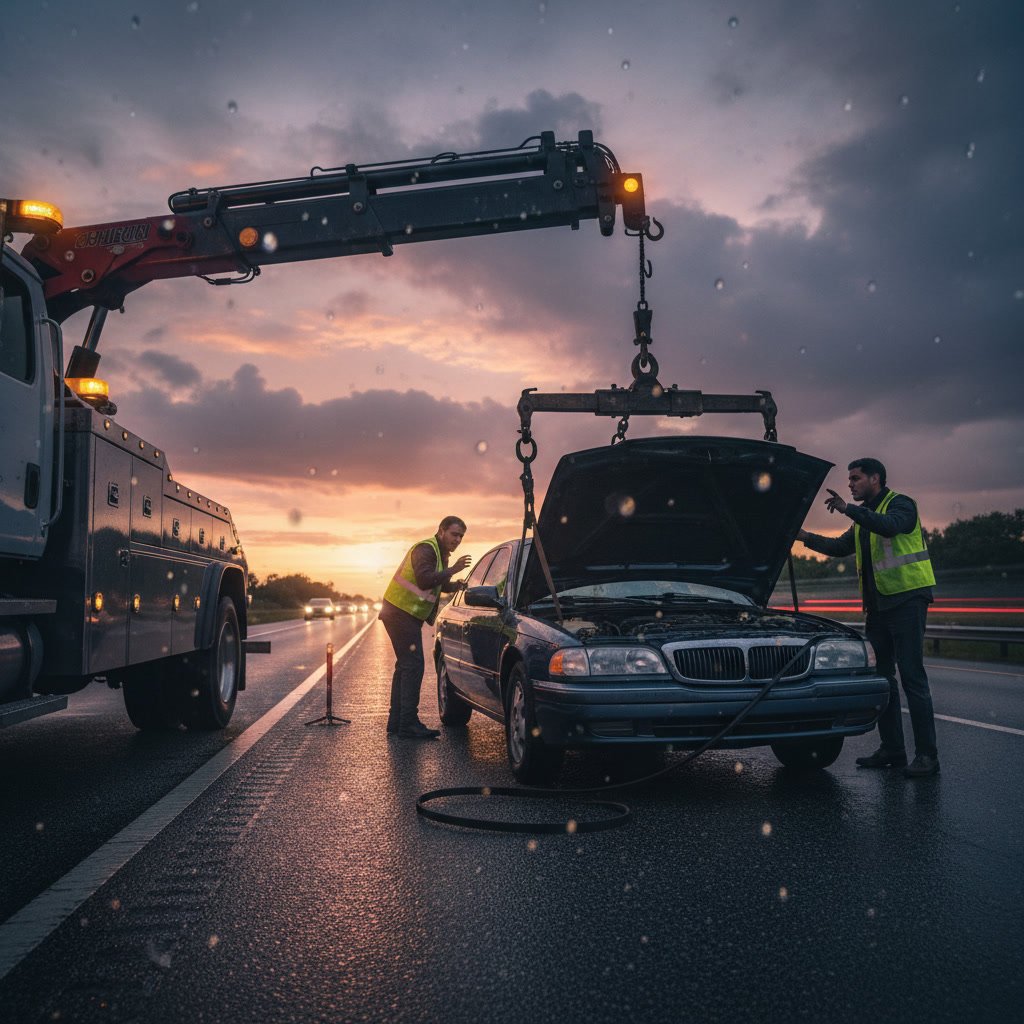
Transmission problems also need professional shop attention. If your car won’t shift gears, makes grinding noises, or refuses to move despite the engine running, the transmission likely failed. Driving with a bad transmission worsens the damage and creates a dangerous situation on busy roads.
Brake failure is an immediate tow situation. If your brake pedal sinks to the floor, feels spongy, or requires extreme pressure to slow down, do not attempt to drive. Even short distances become hazards when you can’t stop reliably. A tow protects you and other drivers from a potential collision.
Safety Concerns That Require Immediate Towing
Certain breakdowns create safety risks that make towing the only responsible choice. If your car stops in a high-traffic area like a freeway shoulder, bridge, or tunnel, staying put increases the chance of being hit. Professional tow operators have the equipment and training to safely remove vehicles from dangerous locations.
Leaking fluids under your car signal serious problems. A puddle of green, orange, or pink coolant suggests radiator or hose damage. Dark oil spots mean engine or transmission leaks. Gasoline smell and wet pavement indicate fuel line failure. All of these create fire risk and environmental hazards that require immediate towing to contain the problem.
Structural damage from an accident always needs a tow, even if the engine still runs. Bent frames, damaged suspension, or misaligned wheels make the vehicle unsafe to drive. What looks like minor cosmetic damage often hides critical mechanical issues underneath.
How to Assess the Problem Yourself
Before calling for help, take a minute to evaluate what happened. Check your dashboard warning lights. A battery light alone usually means a jumpstart will work. An engine light combined with loss of power suggests deeper mechanical trouble requiring a tow.
Listen to unusual sounds. A clicking noise when you turn the key points to a dead battery. Grinding, squealing, or knocking from the engine or wheels indicates component failure that needs shop repair. Silence when you turn the key could mean either a battery issue or starter failure, and a technician can diagnose which on site.
Notice how the car behaves. If it starts but dies immediately, you might have a fuel delivery problem or sensor issue. If it won’t start at all but lights and radio work, the starter motor likely failed. If nothing electrical works, the battery died or a connection came loose.
Common Scenarios in Seattle and When to Choose Each Service
Weather and terrain in the Seattle area create specific breakdown patterns. Cold, wet winter mornings kill batteries faster than summer heat. If your car won’t start on a rainy February day but started fine yesterday, a dead battery is the likely culprit and a jumpstart will solve it.
Hills throughout the region stress transmissions and brakes. If you smell burning while climbing or descending steep streets, pull over safely. Overheated brakes need time to cool but might still drive. A slipping transmission on hills requires a tow before it fails completely.
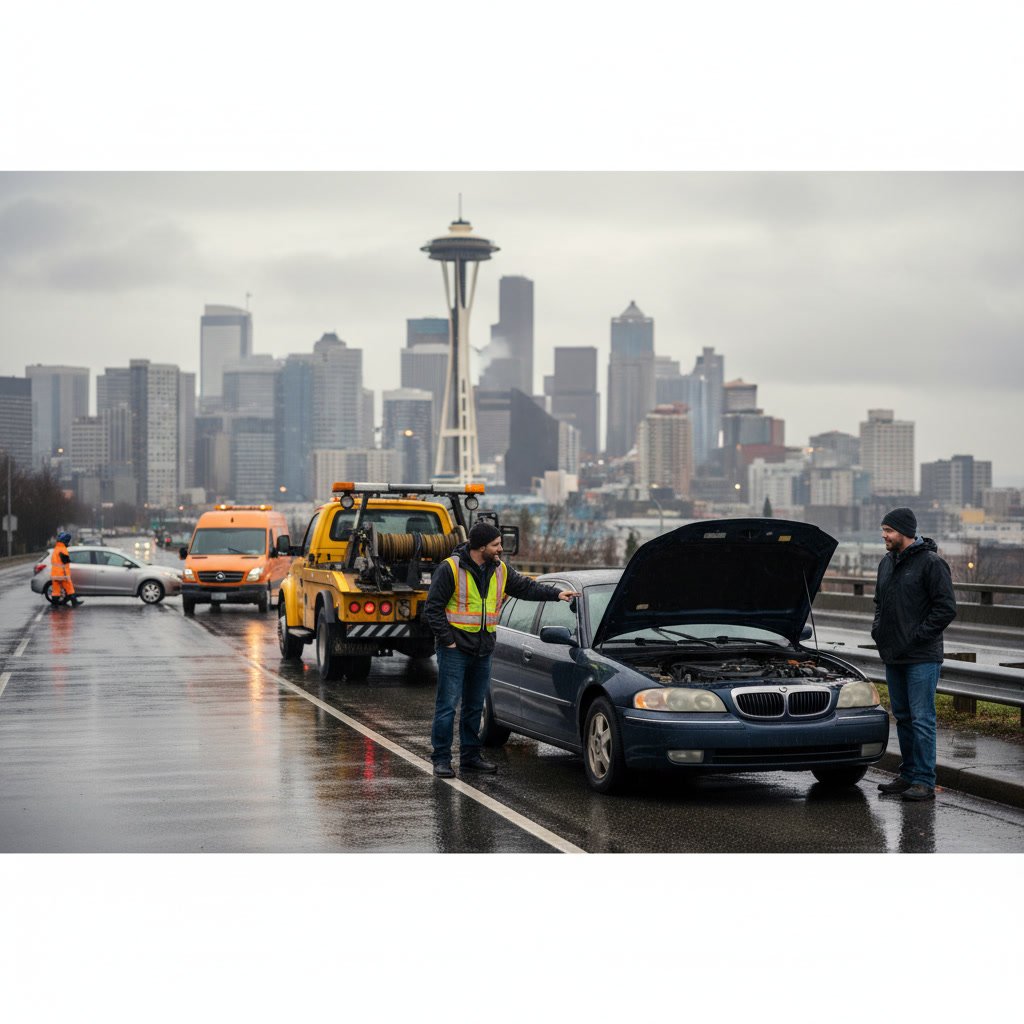
Heavy traffic on I-5 and I-90 makes breakdown location critical. A flat tire on a wide shoulder might qualify for roadside service if changing it is safe. The same flat in a narrow lane during rush hour needs a tow to move the vehicle somewhere safer before attempting repairs.
What Roadside Technicians Can and Cannot Fix
Understanding the limits of roadside service helps set realistic expectations. Technicians carry jumper cables, tire irons, fuel cans, and lockout tools. They can replace a flat with your spare, deliver enough fuel to reach a gas station, jump a dead battery, and unlock your car door.
They cannot perform repairs requiring diagnostic computers, lifts, or specialized tools. Replacing a starter motor, rebuilding a transmission, or fixing a radiator leak all need shop equipment. If the problem involves opening the engine, removing wheels beyond a simple tire change, or diagnosing electronic systems, a tow becomes necessary.
One expert insight many drivers miss: technicians can often tell you whether your problem is fixable on site within the first two minutes of arrival. Describing your symptoms accurately when you call helps dispatch the right service from the start. Mention every warning light, unusual sound, and what the car was doing before it failed.
The Hidden Costs of Choosing Wrong
Calling for a tow when roadside service would work costs more and takes longer. Tow trucks charge for mileage and hook-up time, while roadside calls typically carry flat fees. Waiting for a tow to transport your car, then waiting again for shop diagnosis, adds hours to a problem that might take 10 minutes to fix on site.
The opposite mistake carries bigger risks. Attempting to drive a car that needs a tow can transform a $300 repair into a $3,000 replacement. Driving on a blown tire destroys the wheel rim. Running an overheated engine warps the cylinder head. Ignoring transmission slip burns out clutch plates.
Insurance companies and warranty providers often require towing for certain failures. If you drive a damaged car and worsen the problem, they may deny your claim. Always err on the side of caution when safety or major components are involved.
Five Questions to Ask Before You Call
These five questions help you decide which service to request:
- Can the car start and run, or is it completely dead?
- Are there visible leaks, smoke, or strong smells?
- Is the breakdown location safe for a technician to work?
- Did warning lights appear before the car stopped?
- Can you identify a specific failed component like a flat tire or empty fuel tank?
If you answer yes to smoke, leaks, or complete shutdown, request a tow. If the problem is isolated to battery, fuel, tire, or lockout, roadside service handles it. When you’re uncertain, describe the situation to the dispatcher and let them recommend the appropriate response.
How Professional Services Determine the Right Call
Experienced dispatch teams ask targeted questions to route your call correctly. They want to know if the engine turns over when you try to start it, whether you see dashboard lights, if you hear any sounds, and where exactly the car is located. These details reveal whether the problem fits roadside capabilities.
Some situations genuinely require both services in sequence. A car that runs out of fuel on a steep hill might need fuel delivery first, then a tow if the fuel pump was damaged by running dry. A battery jumpstart might reveal that the alternator failed, requiring a tow to prevent another immediate breakdown.
Professional companies send the service most likely to resolve your problem efficiently. If the initial assessment changes once a technician arrives, they can call for a tow truck as backup. This flexibility prevents you from being stranded twice.
Special Considerations for Older and High-Mileage Vehicles
Cars with over 150,000 miles or more than 10 years old face higher breakdown risk. Components like starters, alternators, and fuel pumps wear out and fail suddenly. If your older car won’t start and you’ve already replaced the battery recently, the problem likely needs shop diagnosis and a tow.
Rust and corrosion in older vehicles create unique challenges. A rusted lug nut might prevent roadside tire changes. Corroded battery terminals might break during a jumpstart attempt. When age-related deterioration complicates simple fixes, towing becomes the safer choice.
If you’re considering whether to repair or replace an aging vehicle that keeps breaking down, services for vehicles that no longer make sense to fix might be worth exploring. Many drivers find relief in moving on from cars that demand constant attention.
Making the Right Call When You’re Stranded
The difference between a tow truck or roadside service comes down to whether the problem can be fixed where your car sits or requires shop equipment and expertise. Simple issues like dead batteries, flat tires, empty fuel tanks, and lockouts qualify for roadside help. Mechanical failures, safety hazards, fluid leaks, and complete breakdowns need professional towing to a repair facility.
When in doubt, prioritize safety over cost. A tow prevents further damage and protects you from roadside dangers. Accurate symptom description when you call helps dispatchers send the right service the first time, saving you frustration and delay.
Smith Towing provides both towing and roadside assistance throughout the greater Seattle area, with experienced teams ready to assess your situation and respond with the service that gets you moving again. Whether you need a quick jumpstart or a safe tow to your trusted mechanic, reach out anytime at +18633732644 for fast, professional help.