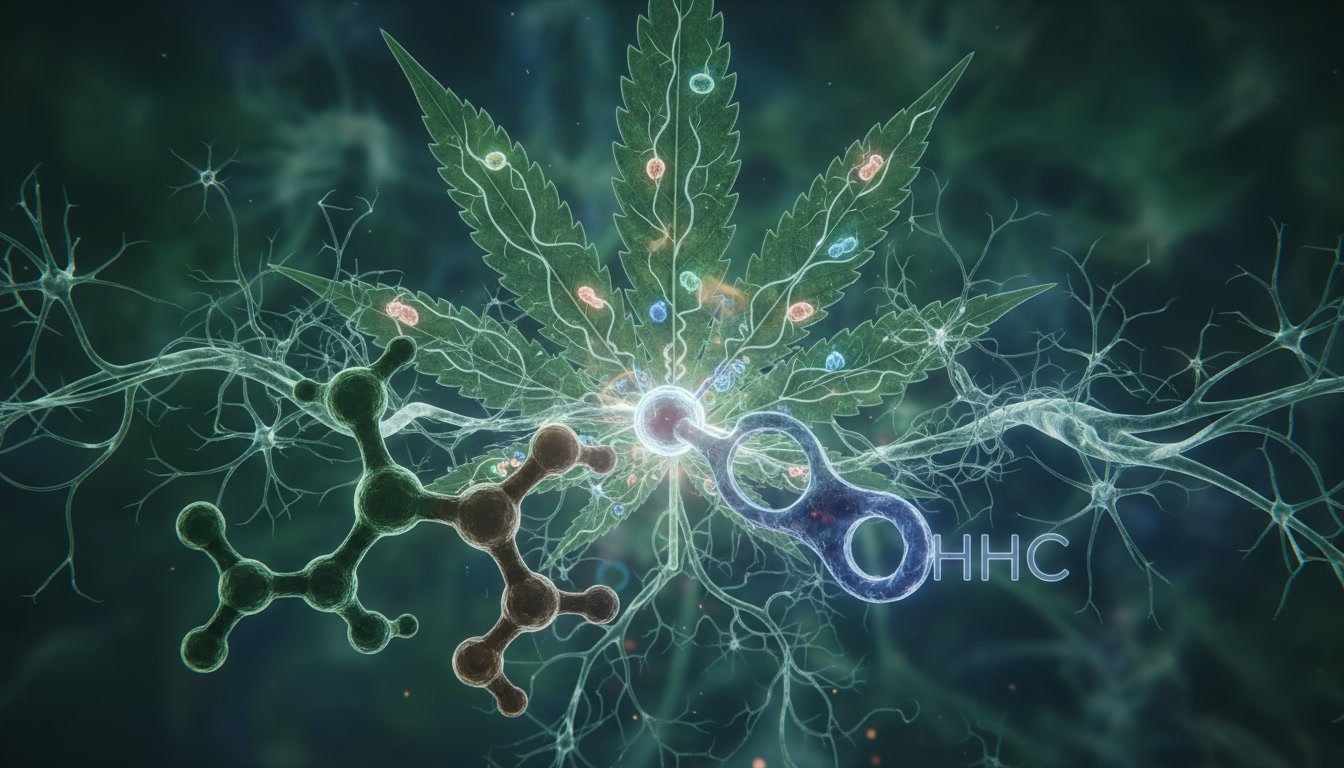

THCP binds to cannabinoid receptors up to 33 times more effectively than Delta 9 THC, producing significantly stronger psychoactive effects that can last several hours longer. While Delta 9 typically delivers effects for 2-4 hours, THCP users report experiences lasting 6-8 hours or more, with a more intense body sensation and longer recovery period. Understanding the differences between these cannabinoids helps you make informed choices based on your tolerance, desired intensity, and schedule.
The Science Behind Cannabinoid Receptor Binding
Cannabinoids work by attaching to CB1 and CB2 receptors throughout your body’s endocannabinoid system. Delta 9 THC has long been the dominant psychoactive compound in cannabis, binding moderately well to these receptors. THCP, discovered in 2019 by Italian researchers, has a longer alkyl side chain with seven carbon atoms instead of five, which dramatically increases its binding affinity. This structural difference means THCP locks onto CB1 receptors with much greater strength, triggering more intense reactions even at lower doses.
The enhanced binding doesn’t just mean stronger effects. It also changes how your body processes the compound, extending the duration and altering the experience profile. Your metabolism, body weight, and tolerance all influence how you respond to both cannabinoids, but the baseline potency difference remains consistent across most users.
How Potency Levels Compare Between These Compounds
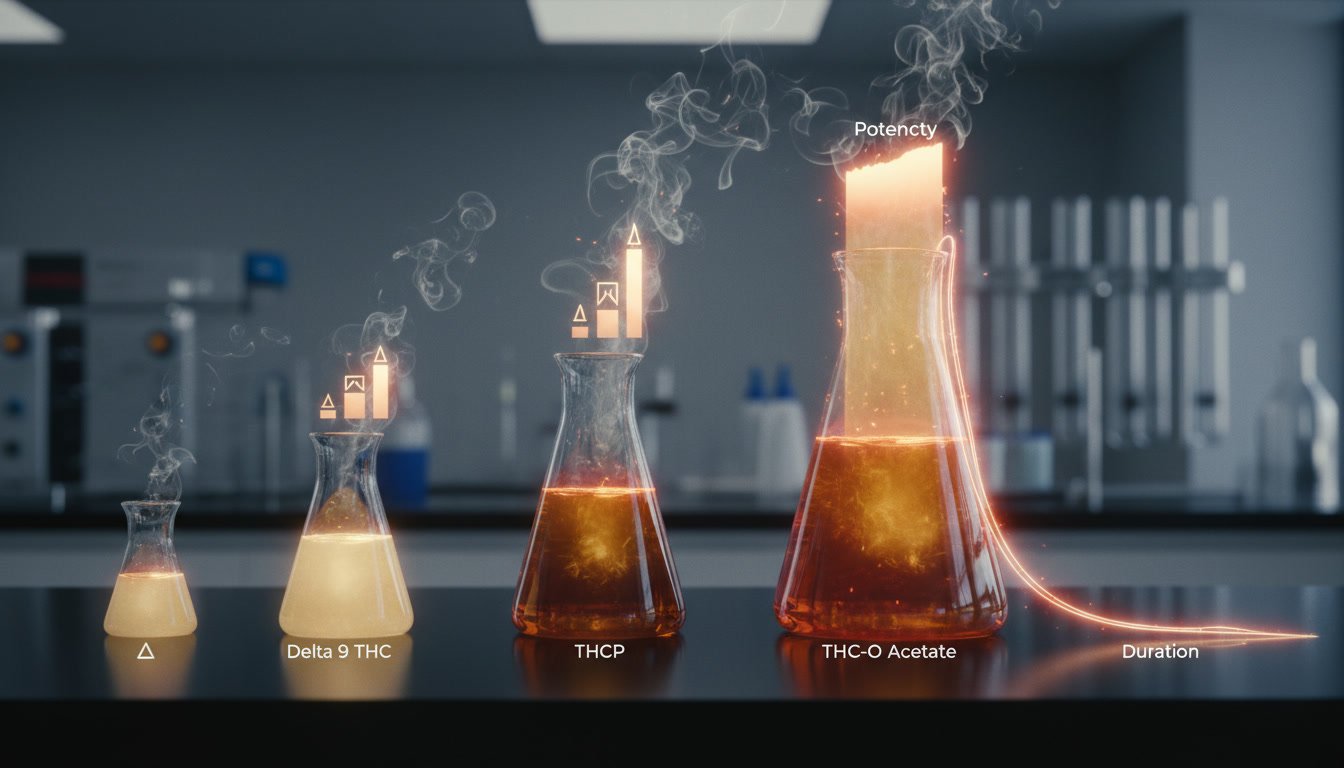
Lab studies indicate THCP may be 30 to 33 times more potent at CB1 receptors than Delta 9 THC. In practical terms, this means a 5mg dose of THCP could produce effects comparable to 150-165mg of Delta 9. Most experienced Delta 9 users find 10-25mg to be a strong dose, while THCP users often report overwhelming effects from anything above 3-5mg. This difference makes dosage control absolutely critical when trying THCP for the first time.
The enhanced potency isn’t always linear in real-world use. Some users report a ceiling effect with THCP where increasing the dose beyond a certain point doesn’t intensify effects proportionally but does extend duration. Others find the dose-response curve steep and unpredictable, especially when combining THCP with other cannabinoids. Starting with sub-milligram amounts is the safest approach until you understand your personal response.
Duration Differences You Can Expect
Delta 9 THC typically produces effects that peak within 30-90 minutes when smoked or vaped, lasting 2-4 hours total. Edible Delta 9 products take longer to kick in but can last 4-6 hours. THCP extends these timelines significantly. Inhaled THCP often peaks around the same time as Delta 9 but maintains strong effects for 4-6 hours, with residual effects lingering for several hours beyond that. Edible THCP formulations can deliver effects lasting 8-12 hours in some users.
The extended duration makes THCP less practical for situations where you need to return to baseline quickly. If you use cannabinoids for evening relaxation but need to function normally the next morning, the long tail of THCP effects may interfere with sleep quality or leave you feeling groggy. Delta 9 offers more predictable timing and a cleaner return to baseline, which many users prefer for regular use.
Comparing Effects in LaBelle and Surrounding Areas
Users in our community report distinct experiential differences between these cannabinoids. Delta 9 produces familiar effects including relaxation, euphoria, altered time perception, increased appetite, and mild to moderate sedation depending on strain and dose. The experience feels manageable and social for most regular users. THCP amplifies these effects considerably, with many describing the experience as more physically intense, potentially overwhelming, and less conducive to activity or conversation.
The body load from THCP is notably heavier. Users frequently report deep physical relaxation bordering on sedation, even from moderate doses. This can be therapeutic for severe pain or sleep issues but problematic if you need to remain functional. Mental clarity also differs. While Delta 9 can fog thinking at high doses, THCP produces more pronounced cognitive effects that make complex tasks difficult even at lower doses.
Tolerance and Cross-Tolerance Considerations
Regular Delta 9 users often develop tolerance over weeks or months, requiring higher doses to achieve the same effects. THCP tolerance builds similarly but may develop faster due to the intense receptor activation. One critical consideration is cross-tolerance. If you use Delta 9 regularly and switch to THCP, your existing tolerance may reduce THCP’s effects somewhat, though the potency difference means it will still feel significantly stronger than your usual Delta 9 dose.
Conversely, regular THCP use can dramatically increase your tolerance to Delta 9 and other cannabinoids. Users who make THCP their primary cannabinoid often find Delta 9 feels underwhelming when they return to it. Taking tolerance breaks becomes more important with THCP to maintain effectiveness and avoid diminishing returns. A three to seven day break can reset sensitivity considerably for both compounds.
Safety Profile and Side Effect Comparison
Both cannabinoids share similar side effect profiles, including dry mouth, red eyes, increased heart rate, anxiety, and paranoia at high doses. THCP intensifies these effects and makes them more likely even at lower doses. First-time THCP users, even those experienced with Delta 9, frequently report anxiety or discomfort from underestimating the potency. The extended duration means uncomfortable side effects last longer and can’t be reversed once the compound is in your system.
There’s also less long-term safety data for THCP since it’s a newer cannabinoid on the market. Delta 9 has decades of use data and research, while THCP studies remain limited. This doesn’t mean THCP is inherently dangerous, but it does mean unknowns remain. Choosing products from retailers who verify lab testing and purity becomes even more critical with newer cannabinoids. Similar care applies to CBD products where third-party testing ensures quality and safety.

Best Use Cases for Each Cannabinoid
Delta 9 remains the better choice for most everyday cannabis users. Its predictable effects, moderate duration, and extensive safety profile make it ideal for social situations, creative activities, mild to moderate pain relief, and recreational use where you want to remain somewhat functional. It’s also more forgiving for dosage mistakes, since taking slightly too much Delta 9 is uncomfortable but manageable for most people.
THCP serves specific purposes where its extreme potency and duration offer advantages. Severe chronic pain that doesn’t respond well to Delta 9 may benefit from THCP’s intense body effects. Severe insomnia might respond to THCP’s long-lasting sedative properties. Some users prefer THCP for deep relaxation sessions where they have no obligations for the next 8-12 hours. However, these use cases represent a smaller segment of cannabinoid users compared to those who benefit from Delta 9’s milder profile.
Dosage Guidelines and Starting Points
For Delta 9, beginners typically start with 2.5-5mg for edibles or one to two small puffs from a vape or joint. Experienced users may use 10-30mg depending on tolerance. With THCP, the starting point drops dramatically. First-time users should begin with 0.5-1mg maximum, even if they have significant Delta 9 experience. Many THCP products contain blends with Delta 9 or Delta 8, which complicates dosing since you’re consuming multiple cannabinoids simultaneously.
One practical dosing insight rarely discussed is timing your first THCP experience. Because effects can last so long and potentially interfere with sleep or next-day function, try THCP on a Friday or Saturday afternoon when you have the following day free. This gives you a full experience without the pressure of needing to be functional quickly. With Delta 9, you have more flexibility since most people return to baseline within a few hours and can use it more spontaneously.
Product Formats and Delivery Methods
Both cannabinoids are available in similar formats including flower, vapes, edibles, and tinctures. Vaping or smoking offers the fastest onset and easiest dose control for both compounds, making these methods preferable when trying THCP for the first time. Tinctures allow precise dosing by drop but take longer to kick in. Edibles provide the longest duration but make it impossible to stop the experience once it starts.
THCP flower is less common than THCP-infused products like vapes and edibles because naturally occurring THCP levels in cannabis plants are extremely low. Most THCP products use hemp-derived THCP that’s been concentrated and added to other cannabinoids. This means product quality and manufacturing standards vary widely. Choosing products with third-party lab results showing exact THCP content helps ensure you’re getting what you expect and can dose accurately.

Legal Status and Availability Differences
Delta 9 THC remains federally illegal in the United States, though many states have legalized it for medical or recreational use. THCP exists in a legal gray area. Because it can be derived from hemp, some argue it falls under the 2018 Farm Bill’s hemp provisions, while others contend it should be regulated like Delta 9. This ambiguity means THCP availability varies by location and retailer, with some states explicitly banning it while others allow sales.
The legal uncertainty also affects product consistency and regulation. Delta 9 products in legal markets undergo strict testing and labeling requirements, while THCP faces less oversight in many areas. This makes retailer reputation and testing transparency even more important when selecting THCP products. Verify that any THCP product includes recent lab results showing cannabinoid content, absence of heavy metals, and pesticide screening.
Making the Right Choice for Your Needs
Choosing between these cannabinoids depends on your experience level, tolerance, desired intensity, and available time. If you’re new to cannabinoids or prefer milder, more manageable experiences, Delta 9 is the safer starting point. Its decades of use provide reliable guidance on effects and dosing. If you have significant Delta 9 tolerance and seek more intense effects, or if you have specific therapeutic needs that Delta 9 hasn’t addressed, THCP may be worth exploring with extreme caution on dosing.
Consider your schedule and obligations as well. THCP’s extended duration makes it impractical for weeknight use or situations where you need predictable recovery timing. Delta 9’s shorter window fits more easily into regular routines. Both compounds can serve valuable purposes, but they occupy different niches in the cannabinoid spectrum. Understanding your personal goals and constraints helps you select the right tool for the job.
Kush Kingdom LLC carries both THCP and Delta 9 products with verified lab testing, allowing you to explore these cannabinoids with confidence in product quality and accurate labeling. Our team researches and tests every product we stock to ensure you receive honest information about potency, effects, and appropriate use. Whether you’re exploring cannabinoids for the first time or refining your preferences, having access to knowledgeable guidance makes the difference between a positive experience and an overwhelming one. If you have questions about which cannabinoid suits your needs or want help understanding product labels and dosing, reach out to our team at +18633732644.