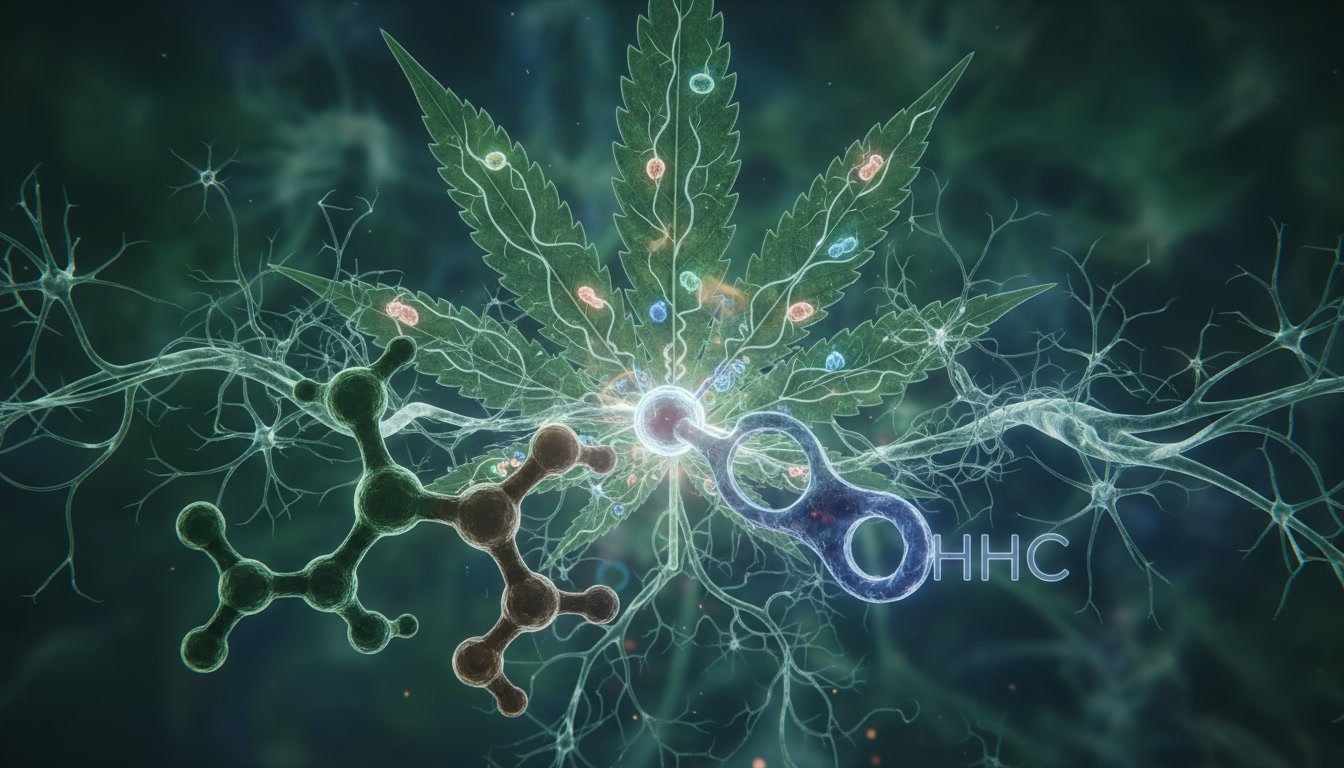
HHC (hexahydrocannabinol) binds to the same CB1 and CB2 receptors in your endocannabinoid system as THC, but its hydrogenated molecular structure creates different binding efficiency and stability. This chemical difference means HHC typically produces milder psychoactive effects while offering longer shelf life and heat resistance. Understanding how HHC works in your body compared to traditional THC helps you choose products that match your desired experience and tolerance level.
The Endocannabinoid System Basics
Your endocannabinoid system regulates mood, pain perception, appetite, and immune response through a network of receptors found throughout your body. The two primary receptors are CB1, concentrated in your brain and central nervous system, and CB2, found mainly in your immune cells and peripheral tissues. When cannabinoids enter your system, they attach to these receptors and trigger various physiological responses. Your body produces its own endocannabinoids naturally, but plant cannabinoids like THC and HHC can mimic or modify these processes.
What Makes HHC Chemically Different
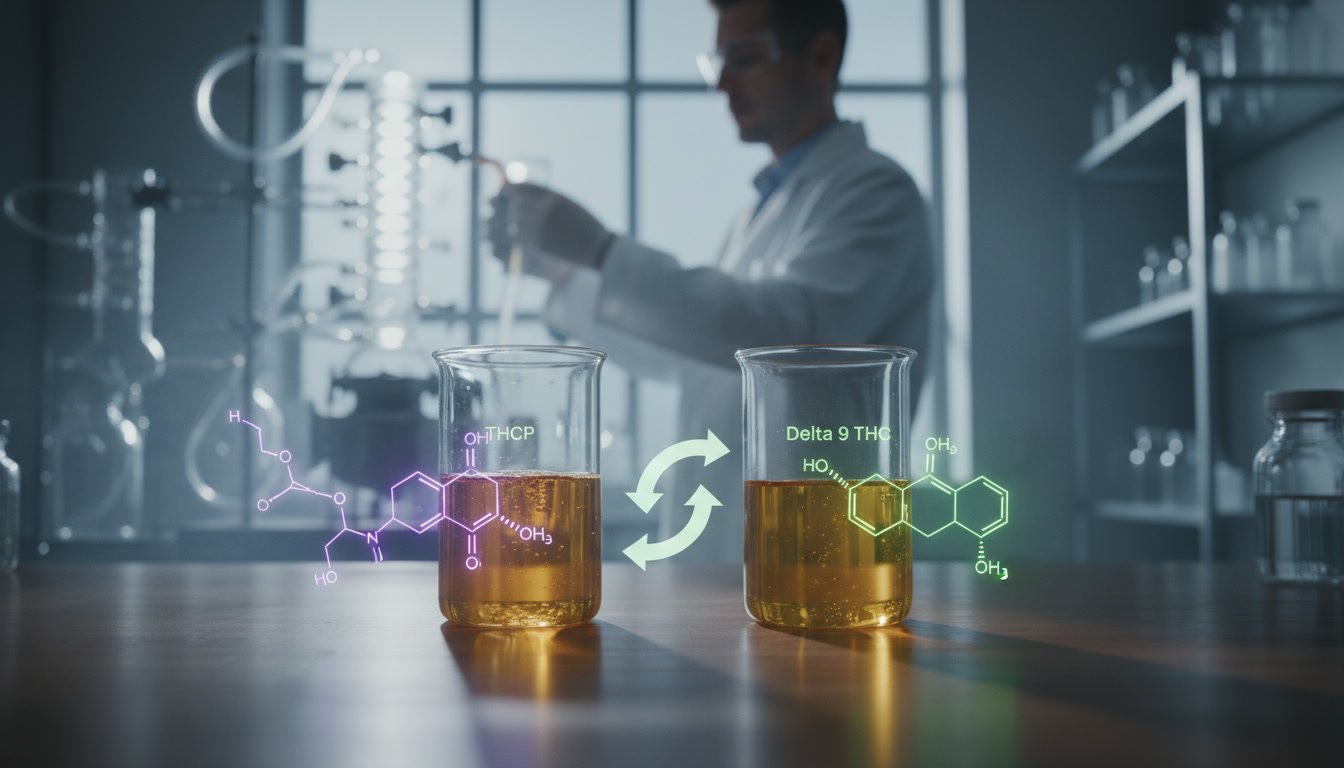
HHC forms when hydrogen molecules are added to THC through a process called hydrogenation, similar to how vegetable oil becomes margarine. This process breaks the double bond in THC’s molecular structure and replaces it with hydrogen atoms. The result is a more stable compound that resists oxidation, heat, and UV light degradation better than THC. While this might sound like a minor change, it significantly affects how the molecule interacts with your cannabinoid receptors and how long the product remains potent on the shelf.

Receptor Binding Differences Between HHC and THC
THC binds strongly to CB1 receptors in your brain, which explains its pronounced psychoactive effects. HHC binds to the same receptors but with lower affinity, meaning it doesn’t attach as tightly or consistently. Research suggests HHC binding efficiency ranges from 60-80% compared to THC, depending on which HHC isomer is present. Products contain two types of HHC molecules (9R and 9S), and only the 9R version actively binds to receptors. This explains why HHC effects feel less intense than equivalent THC doses for most users.
Duration and Onset Time Comparison
Both cannabinoids follow similar timelines when consumed the same way, but individual experiences vary. Vaping or smoking either compound produces effects within 5-15 minutes that peak around 30-60 minutes and fade over 2-4 hours. Edible forms take 45-90 minutes to onset, peak at 2-3 hours, and can last 6-8 hours. However, many users report HHC effects feel more clear-headed and functional during the experience, even at peak intensity. This makes dosing predictions slightly more complex since the subjective experience differs even when pharmacokinetics remain similar.
Psychoactive Effects in LaBelle Users
Most people describe HHC as producing 70-80% of THC’s psychoactive intensity with less anxiety and paranoia. You might experience mild euphoria, relaxation, altered time perception, and enhanced sensory awareness, but typically without the mental fog or couch-lock associated with higher THC doses. This middle-ground effect profile makes HHC appealing for daytime use or for those who find traditional cannabis products too overwhelming. Individual responses vary based on tolerance, body chemistry, and the specific product formulation.
Metabolic Processing in Your Liver
Your liver converts both HHC and THC into metabolites through the same cytochrome P450 enzyme system. THC becomes 11-hydroxy-THC, a more potent compound that contributes to edible cannabis effects. HHC follows a similar metabolic pathway, though research into its specific metabolites remains limited. One practical difference is that standard drug tests target THC metabolites, and while HHC may trigger positive results in some tests, it behaves differently enough that detection remains inconsistent. This does not mean HHC guarantees test safety, and you should assume any cannabinoid product carries screening risk.
Tolerance Development Patterns
Regular THC use leads to CB1 receptor downregulation, where your body reduces receptor availability to compensate for constant stimulation. This creates tolerance requiring higher doses for the same effects. HHC appears to cause similar but potentially slower tolerance buildup due to its lower binding affinity. Some users report maintaining consistent effects with HHC longer than with THC before needing dosage adjustments. However, cross-tolerance exists between all CB1-targeting cannabinoids, meaning heavy THC users will likely need higher HHC doses initially, and vice versa.
Side Effect Profile Differences
Common THC side effects include dry mouth, red eyes, increased heart rate, short-term memory impairment, and anxiety in sensitive individuals. HHC produces the same potential side effects but typically at reduced intensity. Dry mouth and red eyes remain common, while anxiety and paranoia occur less frequently at equivalent psychoactive levels. Neither compound has demonstrated serious toxicity in healthy adults at recreational doses. As with any cannabinoid, start with low doses (5-10mg for edibles, one small puff for inhalation) and wait adequate time before increasing, especially if you’re switching between compounds.

Product Stability and Shelf Life Advantages
THC degrades into CBN when exposed to heat, light, and oxygen over time, reducing potency and altering effects. The same cart or edible left in your car or drawer for months will be noticeably weaker. HHC’s hydrogenated structure resists this degradation significantly better, maintaining potency for longer periods under the same storage conditions. This matters most for users who buy in bulk or use products slowly. Proper storage in cool, dark places still extends life for both compounds, but HHC gives you more forgiveness when conditions aren’t ideal.
Which Cannabinoid Fits Your Needs
Choose HHC if you want moderate effects with lower anxiety risk, plan to store products long-term, or find THC too intense but CBD too mild. It works well for daytime productivity with gentle relaxation or for new users building tolerance gradually. Select THC when you want stronger psychoactive effects, have established tolerance, or specifically seek the full-spectrum experience THC provides. Many users keep both options available and select based on time of day, activity plans, and desired intensity. Similar to how people choose different kratom strains for specific effects, matching cannabinoid choice to your situation optimizes results.
Making Informed Choices With Lab-Tested Products
Understanding the science matters, but product quality determines your actual experience. Reputable retailers verify cannabinoid content, check for contaminants, and provide third-party lab reports showing exactly what’s in each product. This transparency helps you dose accurately and avoid hemp-derived products cut with fillers or mislabeled for potency. Whether you’re exploring HHC for the first time or comparing it to your regular THC products, starting with verified options from knowledgeable sources ensures safer experimentation. The difference between theory and practice comes down to product integrity and honest guidance from staff who understand these compounds beyond marketing claims.
Kush Kingdom LLC carefully researches and lab-tests every cannabinoid product to ensure you receive accurate information about potency, purity, and effects. Our team can explain the practical differences between HHC, THC, and other cannabinoids based on real customer experiences and verified product data. Visit our LaBelle location at 870 West Hickpochee Ave, Unit 200, or call +18633732644 to discuss which products match your tolerance level and desired effects.