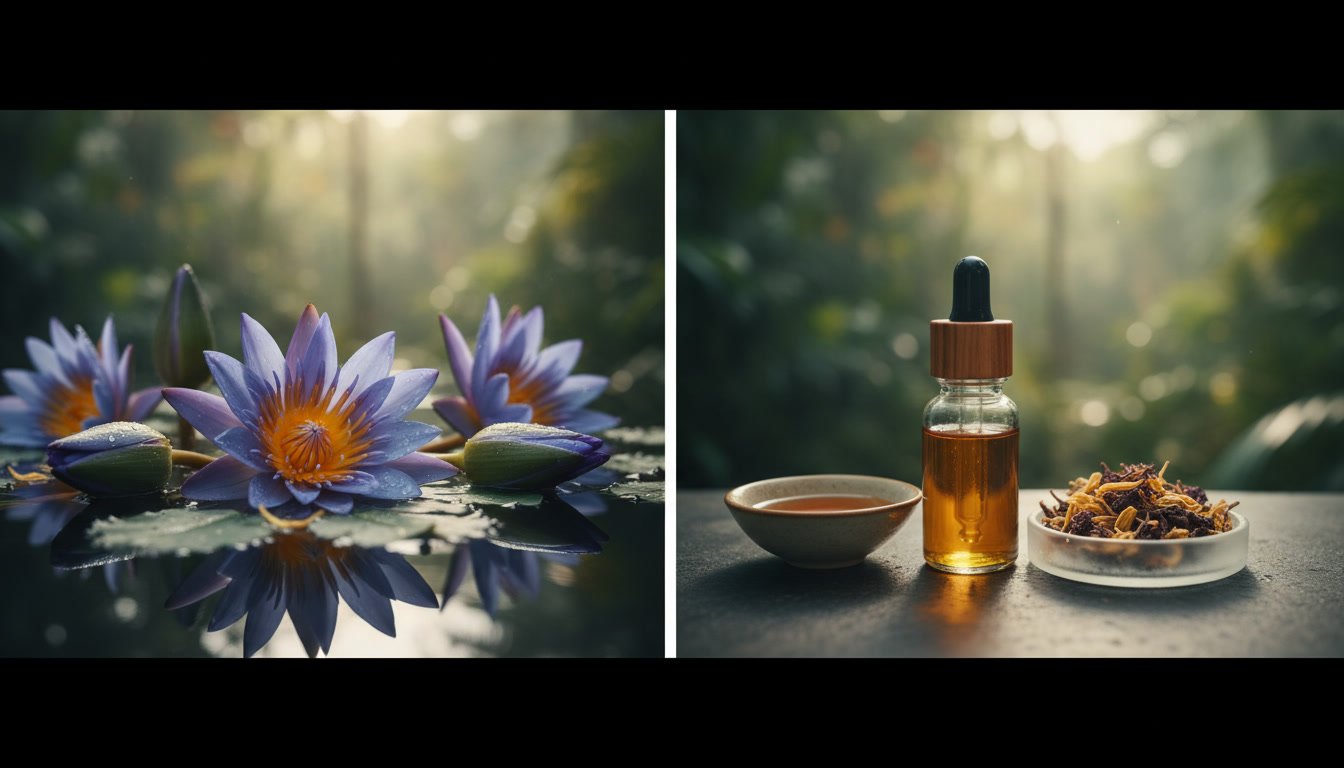
The difference between blue lotus flower vs extract comes down to concentration and bioavailability. Blue lotus extract contains higher levels of the plant’s active alkaloids, primarily aporphine and nuciferine, which means it typically delivers more pronounced relaxation effects in smaller doses. Traditional dried flower requires more material and longer preparation to reach similar potency, but offers a gentler, more gradual onset. The extract provides faster absorption and stronger effects, while the flower form allows easier dose control and a more traditional experience.
Blue lotus has been used for centuries as a natural relaxant, appearing in ancient Egyptian art and religious ceremonies. Today, people seeking alternatives to pharmaceutical sleep aids and stress medications turn to this aquatic plant for its mild sedative and mood-enhancing properties. The form you choose affects not just the intensity of the experience, but also how quickly you feel results and how long the effects last.
What Makes Blue Lotus Work for Relaxation
Blue lotus contains two primary alkaloids that create its signature calming effects. Aporphine acts as a dopamine receptor agonist, which explains the mild euphoria some users report. Nuciferine influences serotonin receptors and provides the sedative qualities many people seek. Both compounds work together to promote relaxation without the heavy impairment associated with stronger substances.
The plant’s effects are subtle compared to cannabis or prescription sedatives. Most users describe a gentle wave of calm, reduced anxiety, and improved mood rather than pronounced intoxication. This makes blue lotus appealing for daytime stress relief or evening wind-down routines. The concentration of these alkaloids varies significantly between whole flower and concentrated extracts, which directly impacts the strength of relaxation you experience.
Traditional Dried Blue Lotus Flower Benefits and Drawbacks
Dried blue lotus flower typically contains between 0.001% to 0.05% total alkaloids by weight. This low concentration means you need several grams of flower material to produce noticeable effects. Most people brew the petals as tea, using 3 to 5 grams steeped in hot water for 10 to 15 minutes. Some prefer smoking or vaporizing the dried petals, though this method wastes more material through combustion.
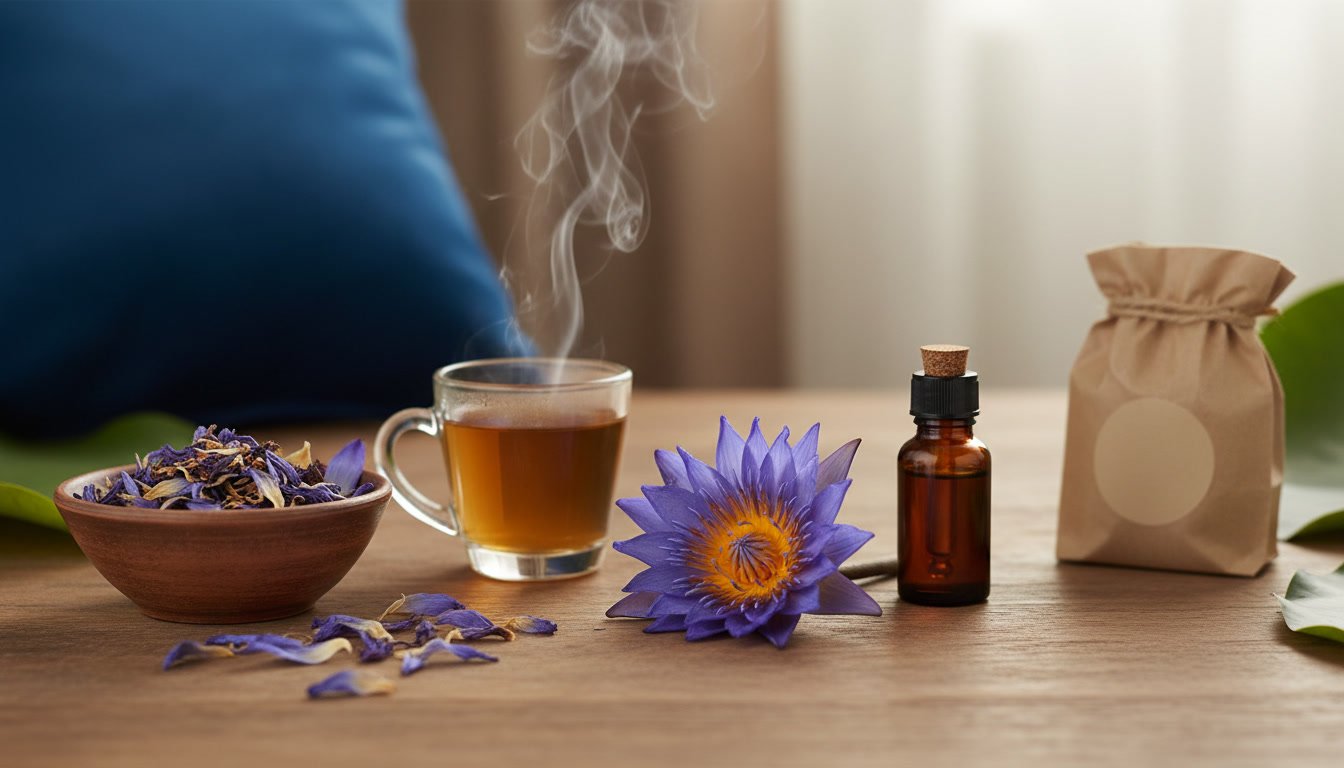
The flower form offers precise control over your intake. You can start with a single gram in tea and gradually increase until you find your ideal dose. The effects appear slowly, usually within 20 to 45 minutes when consumed as tea, and last two to four hours. This gradual onset helps you avoid taking too much, a common mistake with more concentrated forms.
However, dried flower has limitations. The alkaloid content degrades over time when exposed to light, heat, and moisture. Flowers stored for months may lose half their potency. Preparation also matters because improper water temperature or steeping time can leave active compounds locked in the plant material. Many users find the taste bitter and earthy, which can be off-putting even with honey or lemon added.
Blue Lotus Extract Potency and Concentration Levels
Blue lotus extracts concentrate the alkaloids through various methods, including alcohol tinctures, water-based extractions, and CO2 processing. A quality 10:1 extract means ten grams of flower were processed to create one gram of extract, theoretically multiplying the alkaloid content tenfold. Some manufacturers offer 20:1, 50:1, or even 100:1 ratios, though independent lab testing often shows actual alkaloid levels fall short of these claims.
Reputable extracts contain between 2% to 10% total alkaloids, significantly higher than raw flower. This concentration allows effective doses as small as 100 to 500 milligrams. Extracts come as powders, resins, or liquid tinctures. Powder extracts can be mixed into drinks, placed under the tongue, or packed into capsules. Resin extracts are sticky and concentrated, often dissolved in warm beverages or vaporized. Tinctures provide the fastest absorption because the alcohol solution carries alkaloids directly through mucous membranes.
The main advantage of extracts is convenience and consistency. You need less material, preparation is simpler, and effects appear faster, often within 10 to 20 minutes. The intensity is noticeably stronger than flower at equivalent alkaloid doses because extraction removes inactive plant matter that can slow absorption. For users seeking serious relaxation or help with sleep, extracts typically deliver more reliable results.
How Absorption Speed Changes the Relaxation Experience in LaBelle
Absorption speed determines not only how quickly you feel effects but also how intensely they peak. Sublingual tinctures bypass digestive metabolism, allowing alkaloids to enter your bloodstream within minutes. This creates a sharper onset that some users prefer for acute stress or pre-sleep routines. Capsules and tea must pass through your stomach and liver first, delaying effects but often extending duration.
Your individual physiology plays a major role. Body weight, metabolism, recent meals, and even hydration levels affect how quickly blue lotus works. Someone with a faster metabolism may feel flower tea effects in 15 minutes, while another person needs 45 minutes. Extracts reduce this variability because higher concentrations overcome individual differences more reliably.
In LaBelle and surrounding areas, many customers choose their form based on lifestyle. People managing chronic stress throughout the day often prefer the flower for its gentle, controllable effects. Those dealing with occasional insomnia or acute anxiety episodes tend to favor extracts for their predictable, stronger impact. Understanding your own response pattern requires testing both forms at different times and doses.
Comparing Dosage Control Between Flower and Extract
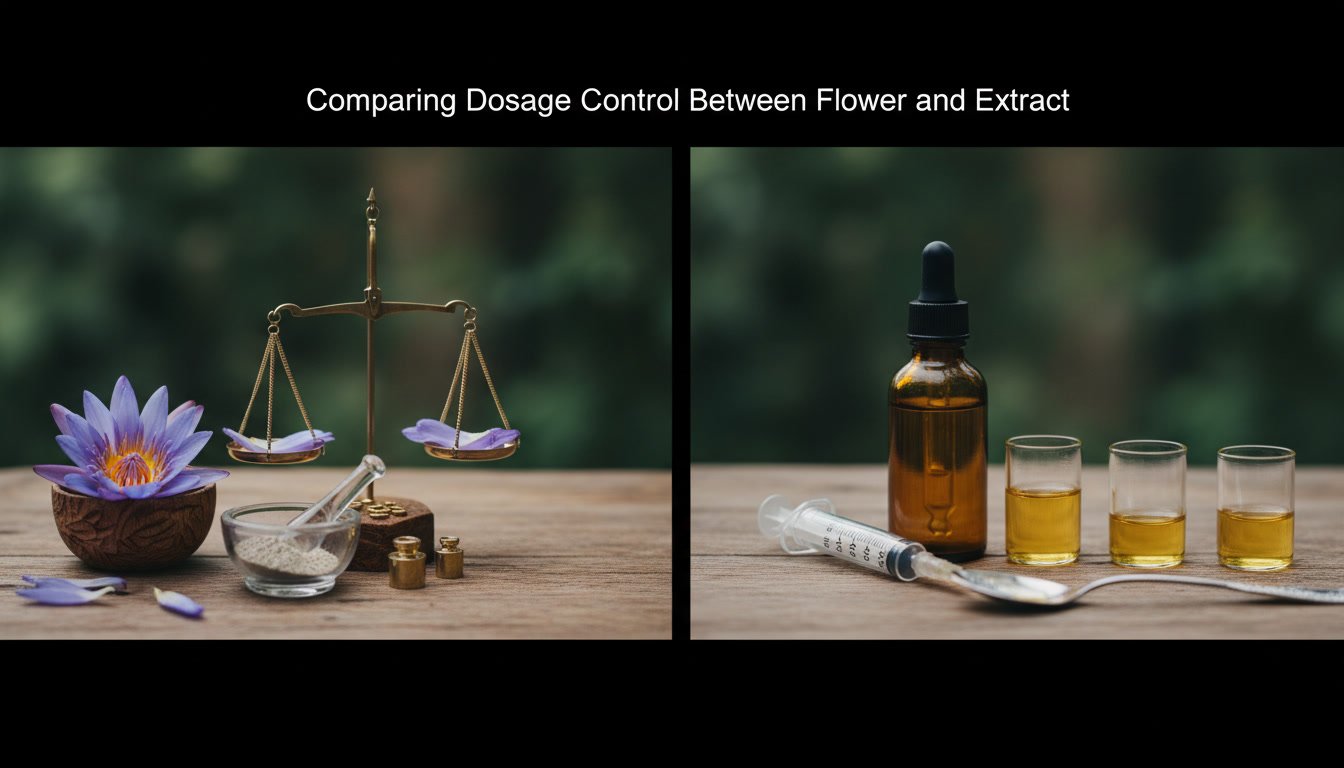
Dried flower offers intuitive dosing because you can measure by the gram and adjust incrementally. Start with two grams in tea, assess the effects after an hour, then increase by half a gram next time if needed. This gradual approach minimizes the risk of taking too much, which can cause mild nausea or headache in sensitive individuals.
Extracts require more precision because small variations in dose create noticeable differences in effect. A 50-milligram difference in a 20:1 extract equals roughly one full gram of flower. Without a milligram scale, it becomes difficult to measure powder extracts accurately. Tinctures solve this problem with droppers marked in milliliters, but you must trust the manufacturer’s stated concentration. Products without third-party lab verification may contain far less alkaloid content than advertised.
Experienced users often combine both forms. They might use flower tea daily for baseline stress management and keep extract on hand for nights when sleep proves difficult. This strategy balances cost, convenience, and effect intensity. Similar to how some people approach kratom capsules versus powder, the choice depends on whether you prioritize ease of use or fine-tuned control.
Cost Analysis and Value Over Time
Price per dose varies widely between flower and extract. Dried blue lotus flower typically costs between 8 to 15 dollars per ounce, providing roughly eight to twelve servings at three grams each. Quality extracts run 20 to 60 dollars per gram depending on concentration ratio, with each gram yielding four to ten doses. At first glance, flower appears more economical.
However, the math shifts when you account for alkaloid content. If you need five grams of flower to achieve the same effect as 300 milligrams of a 20:1 extract, the extract may actually cost less per effective dose. The calculation depends on the specific products and your personal sensitivity. Extracts also reduce waste because you consume only active compounds rather than cellulose, chlorophyll, and other inert plant material.
Storage longevity affects long-term value. Properly stored extracts, kept in airtight containers away from light and heat, maintain potency for years. Dried flower degrades faster, especially in humid climates. Buying flower in bulk saves money initially but may result in weaker product by the time you reach the bottom of the bag.
Safety Considerations and Side Effects for Both Forms
Blue lotus is generally well-tolerated, but higher doses from extracts increase the likelihood of side effects. Common issues include mild dizziness, upset stomach, and grogginess the next morning. These effects are dose-dependent and more frequent with extracts because users sometimes underestimate their strength. Starting with the minimum effective dose and increasing slowly prevents most problems.
Quality and purity matter significantly. Unverified products may contain adulterants, pesticides, or heavy metals absorbed from polluted water where the lotus grew. Reputable vendors provide certificates of analysis from independent labs showing alkaloid content and testing for contaminants. Just as with lab-tested CBD products, third-party verification ensures you receive clean, accurately labeled blue lotus.
Blue lotus may interact with medications metabolized by liver enzymes, particularly antidepressants and sedatives. Anyone taking prescription drugs should consult a healthcare provider before using either flower or extract. The alkaloids have mild MAO-inhibiting properties, which can cause complications when combined with certain substances. Pregnant or nursing individuals should avoid blue lotus entirely due to insufficient safety research.
Preparation Methods That Maximize Relaxation Effects
Proper preparation unlocks the full potential of whichever form you choose. For dried flower tea, use water between 185 and 205 degrees Fahrenheit. Boiling water can degrade some alkaloids, while cooler water fails to extract them efficiently. Steep for at least 10 minutes, covering the container to prevent volatile compounds from evaporating. Adding a small amount of lemon juice may increase alkaloid extraction through acidification.
Some users prefer alcohol extraction at home, soaking flower in high-proof vodka or grain alcohol for several weeks. This creates a homemade tincture with stronger effects than tea. The alcohol pulls out alkaloids more completely than water and preserves them indefinitely. Strain out the plant material after four to six weeks, and dose the resulting tincture by the milliliter.

Commercial extracts require minimal preparation. Powder extracts dissolve in warm water, juice, or placed directly under the tongue for sublingual absorption. Resin extracts need gentle heat to become pliable. Some people vaporize resin using temperature-controlled devices set between 212 and 257 degrees Fahrenheit, which vaporizes alkaloids without combustion. This method provides the fastest onset but consumes more material than oral ingestion.
Which Form Suits Different Relaxation Goals
Your specific needs determine which form works best. If you seek mild daytime anxiety relief without noticeable impairment, dried flower tea provides subtle effects you can sip throughout the day. The gentle onset and moderate potency help you remain functional while taking the edge off stress. Many people combine blue lotus tea with other calming herbs like chamomile or passionflower.
For sleep support, extracts deliver more reliable results. The stronger concentration and faster onset help you transition from wakefulness to drowsiness more smoothly. Taking 200 to 400 milligrams of a quality extract about 30 minutes before bed creates sedative effects that encourage natural sleep without the next-day fog common with pharmaceutical options. Just as tinctures absorb faster than edibles, blue lotus extracts work quicker than tea when timing matters.
Occasional users often prefer flower because it requires no special equipment beyond a mug and hot water. Regular users who consume blue lotus several times weekly usually gravitate toward extracts for convenience and cost-effectiveness. Both groups benefit from rotating between forms to prevent tolerance buildup and maintain sensitivity to lower doses.
Lab Testing and Quality Verification Essentials
Third-party lab testing separates legitimate products from underdosed or contaminated offerings. A certificate of analysis should list total alkaloid content, preferably broken down into aporphine and nuciferine levels. This allows you to calculate actual potency rather than relying on vague extraction ratios. Labs should also test for heavy metals like lead and mercury, pesticides, and microbial contamination.
Many blue lotus products sold online lack any verification. Vendors may claim 50:1 extraction ratios without evidence, leading buyers to purchase expensive products with minimal active content. Independent testing by organizations like SC Labs or Kaycha Labs provides assurance, though few blue lotus vendors currently invest in this level of transparency. Asking for recent lab reports before purchasing protects you from wasting money on ineffective products.
Storage conditions affect potency regardless of initial quality. Keep both flower and extract in airtight containers in cool, dark locations. Vacuum-sealed flower stored in the freezer maintains potency for over a year. Extracts in amber glass jars remain stable for several years when properly stored. Exposure to humidity and heat accelerates degradation, turning potent product into weak plant matter within months.
Finding Reliable Blue Lotus Products That Deliver Results
Choosing between blue lotus flower and extract ultimately depends on your priorities around potency, onset speed, cost, and convenience. Extracts provide stronger, faster relaxation effects in compact, easy-to-dose forms, making them ideal for sleep support and acute stress relief. Dried flower offers gentler effects, easier dose adjustment, and a more traditional preparation experience suited to daily use and gradual relaxation. Both forms work when sourced from reputable vendors who provide lab-tested, properly stored products.
Kush Kingdom LLC carries both blue lotus flower and extract options that have been carefully researched and lab-verified for quality and potency. Our staff understands the differences between these forms and can help you select the right product based on your relaxation goals and experience level. Whether you prefer the ritual of brewing flower tea or the convenience of a concentrated extract, we ensure every product meets our standards for purity and effectiveness. Visit us at 870 West Hickpochee Ave, unit 200, or call +18633732644 to speak with knowledgeable team members who can guide you toward the blue lotus product that fits your needs.