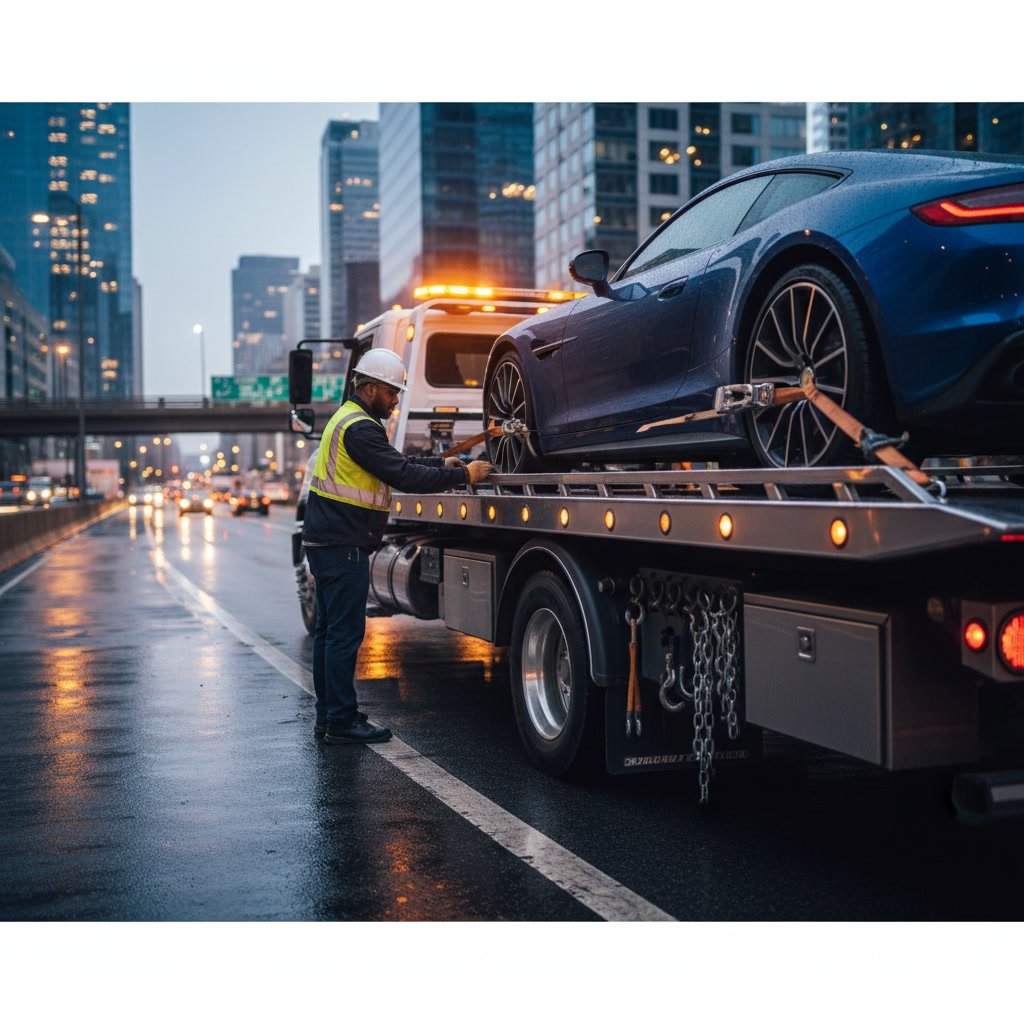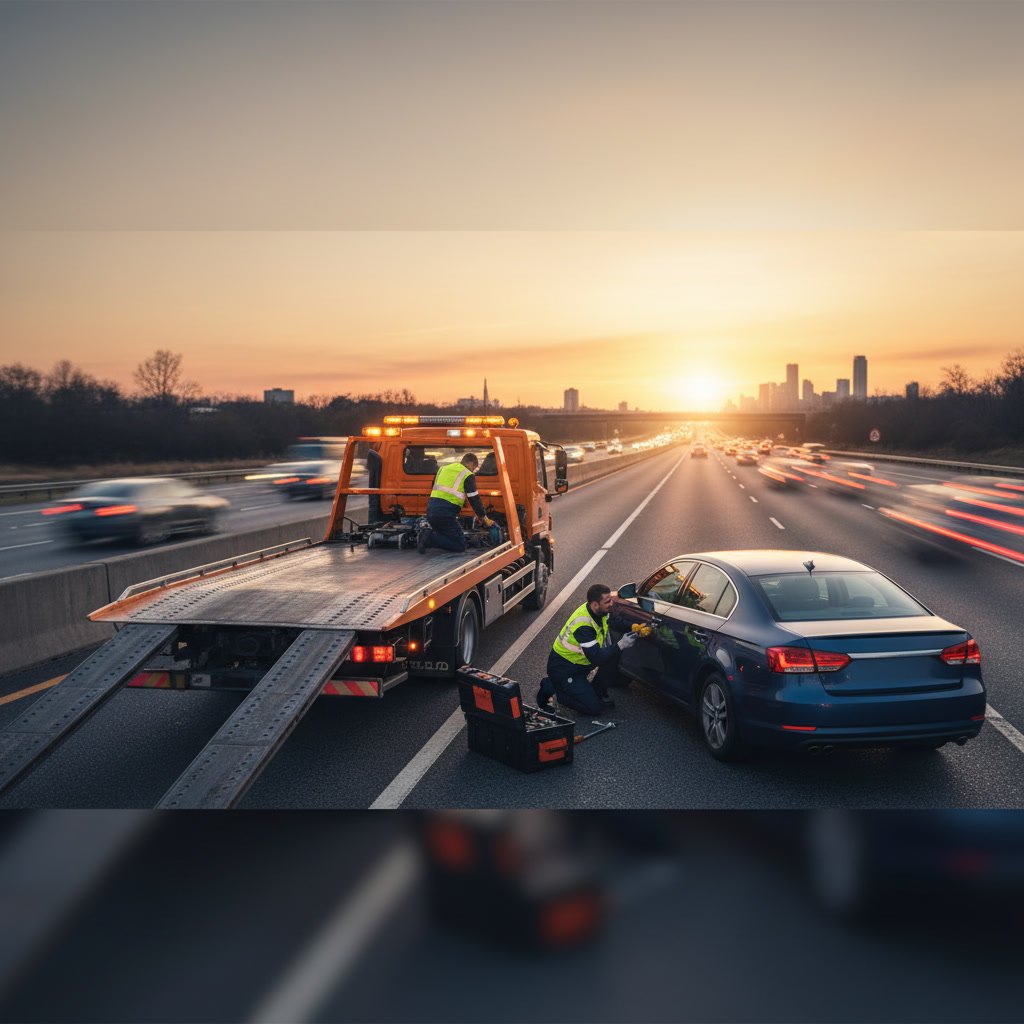
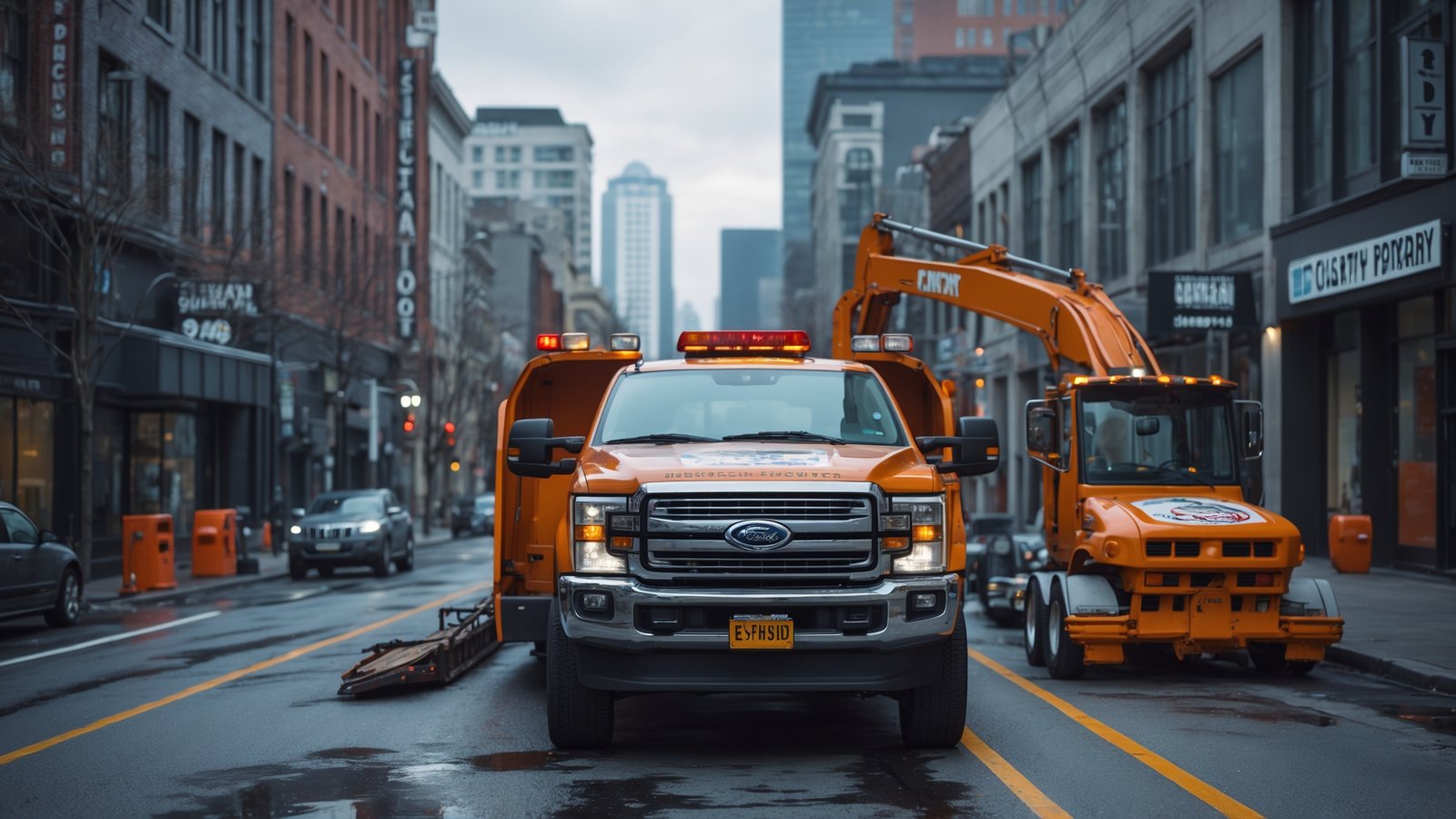
Your BMW just broke down on I-5 during rush hour. You need a tow, but the wrong method could cause thousands in additional damage to your all-wheel-drive system. When you own a luxury or AWD vehicle in the Pacific Northwest, choosing the right towing method isn’t just about convenience. It’s about protecting a significant investment from unnecessary wear and mechanical damage. Flatbed towing Seattle services offer the safest transport option for high-value vehicles, keeping all four wheels off the ground and eliminating the risks that come with traditional wheel-lift or dolly towing methods.
This guide explains why flatbed towing is the preferred choice for luxury cars, all-wheel-drive systems, and low-clearance vehicles. You’ll learn what makes flatbed transport different, which vehicles benefit most, and how to recognize when you absolutely need this service.
What Makes Flatbed Towing Different From Traditional Methods
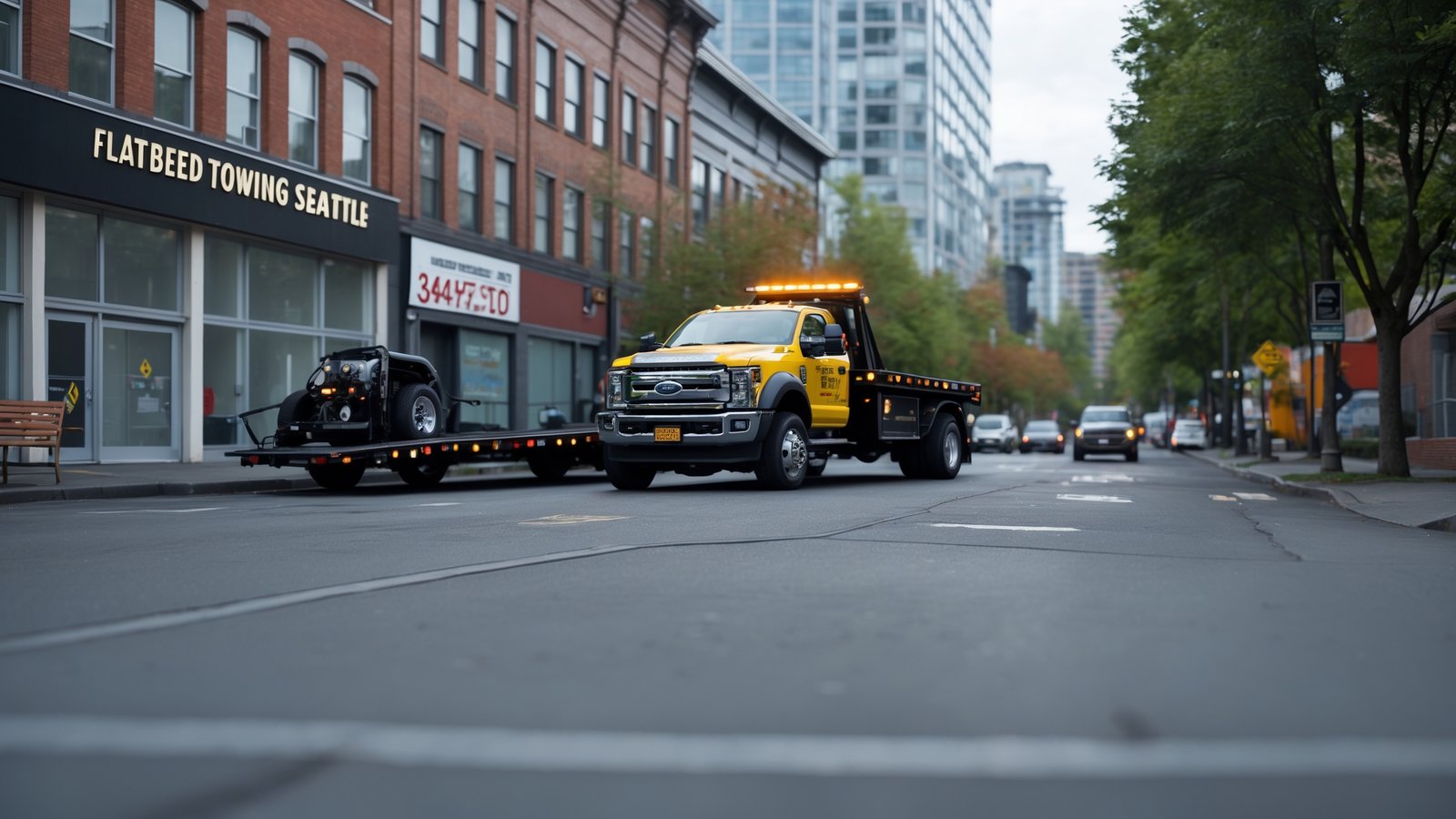
Flatbed towing uses a truck with a completely flat, level bed that tilts hydraulically to ground level. Your vehicle drives or is winched onto this platform, then secured with heavy-duty straps and wheel chocks. The entire car rides on the bed with all four wheels off the ground during transport.
Traditional wheel-lift towing lifts either the front or rear wheels while the other pair remains on the road. This method works fine for many vehicles but creates serious problems for cars with all-wheel-drive systems, low ground clearance, or sophisticated drivetrains.
Hook-and-chain towing, now mostly phased out, dragged vehicles by their axle or frame. This older method caused significant damage and is rarely used today except in specific junk removal scenarios.
Why All-Wheel-Drive Systems Require Flatbed Transport
All-wheel-drive vehicles send power to all four wheels simultaneously through a complex drivetrain system. When you tow an AWD vehicle with two wheels on the ground, those wheels turn the driveshaft, transmission, and transfer case while the vehicle isn’t running and the transmission fluid isn’t circulating properly.
This creates friction and heat inside components that weren’t designed to operate this way. Even a short tow of just a few miles can damage the transmission, transfer case, or differential. Repair costs for these components typically range from $2,000 to $8,000 or more.
Most AWD manufacturers explicitly state in owner’s manuals that the vehicle must be transported with all wheels off the ground. Subaru, Audi, BMW, Mercedes-Benz, and Tesla all specify flatbed transport in their towing guidelines.
Which Vehicles Have AWD Systems
Many Seattle drivers don’t realize their vehicle has all-wheel drive. Common AWD vehicles include most Subaru models, many crossovers and SUVs, performance sedans from BMW and Audi, and increasingly, electric vehicles like Tesla models.
If you’re unsure whether your car has AWD, check your owner’s manual, look for AWD badging on the rear of the vehicle, or call a professional roadside assistance service before accepting a tow.
How Flatbed Towing Protects Luxury Vehicles
Luxury vehicles often combine expensive components with low ground clearance, delicate body panels, and advanced electronics. A Mercedes S-Class or Porsche 911 sitting just four to five inches off the ground can scrape its front bumper, splitter, or undercarriage on the ramp or road surface during traditional towing.
Flatbed tow trucks eliminate this risk. The bed tilts to a gentle angle, and operators use specialized loading techniques to minimize the approach angle. Your vehicle rolls smoothly onto the platform without dragging expensive carbon fiber splitters or aluminum undercarriage panels.
High-end vehicles also feature paint, trim, and body panels that cost significantly more to repair than standard cars. Flatbed transport keeps your car secured in place without any contact between the tow truck’s metal equipment and your vehicle’s body. Wheel-lift systems must make contact with suspension components or tires, creating potential for scratches, dents, or paint damage.
The Cost of Luxury Vehicle Repairs
A scratched bumper on a luxury vehicle isn’t a quick trip to a chain body shop. OEM parts, specialized paint, and manufacturer-certified repair facilities drive costs higher. A front bumper repair on a BMW 7-Series can easily exceed $3,000 once you factor in sensors, paint matching, and labor.
Spending an extra $50 to $100 for flatbed service protects you from potential repair bills that dwarf the towing cost.
Seattle Road Conditions That Increase Towing Risk
Seattle’s steep hills, narrow streets, and aging infrastructure create additional challenges during vehicle transport. Neighborhoods like Queen Anne, Capitol Hill, and parts of West Seattle feature grades that can reach 15% to 20%.
When a traditional wheel-lift tow truck attempts to navigate these hills with a vehicle in tow, the angle between the truck and towed car increases dramatically. This can cause the towed vehicle to scrape the road surface, damage the undercarriage, or put excessive stress on suspension components.
Flatbed towing in seattle, WA 98134 keeps your vehicle level on the bed regardless of the hill grade. The entire platform tilts as a unit, maintaining a consistent angle that protects low-clearance vehicles.
Seattle’s frequent rain also creates slippery conditions. Flatbed operators secure vehicles with multiple tie-down points and wheel chocks, providing superior stability compared to wheel-lift systems that rely on lifting arms and a single connection point.
When Flatbed Towing Is Not Optional
Certain situations make flatbed transport the only safe choice, regardless of vehicle type. If your car has been in an accident and sustained frame damage, wheel damage, or suspension failure, attempting to lift it by the wheels can worsen existing damage or create dangerous instability.
Vehicles with missing wheels obviously can’t be towed with wheels on the ground. Similarly, cars with seized brakes, locked steering, or other mechanical failures that prevent wheels from rolling freely require flatbed service.
Electric and hybrid vehicles present unique challenges. Many manufacturers void warranties if these vehicles are towed improperly. Tesla explicitly requires flatbed transport and provides detailed guidelines in their owner’s materials.
Pro Tip: If your vehicle breaks down and you’re unsure about the right towing method, ask the tow operator about your specific make and model before they connect equipment. Legitimate professionals will confirm the safest approach rather than risk damaging your vehicle.
How Flatbed Towing Works Step by Step
Understanding the flatbed towing process helps you know what to expect when you call for service. The operator arrives with a specialized truck featuring a hydraulic bed that measures roughly 18 to 22 feet long and seven to eight feet wide.
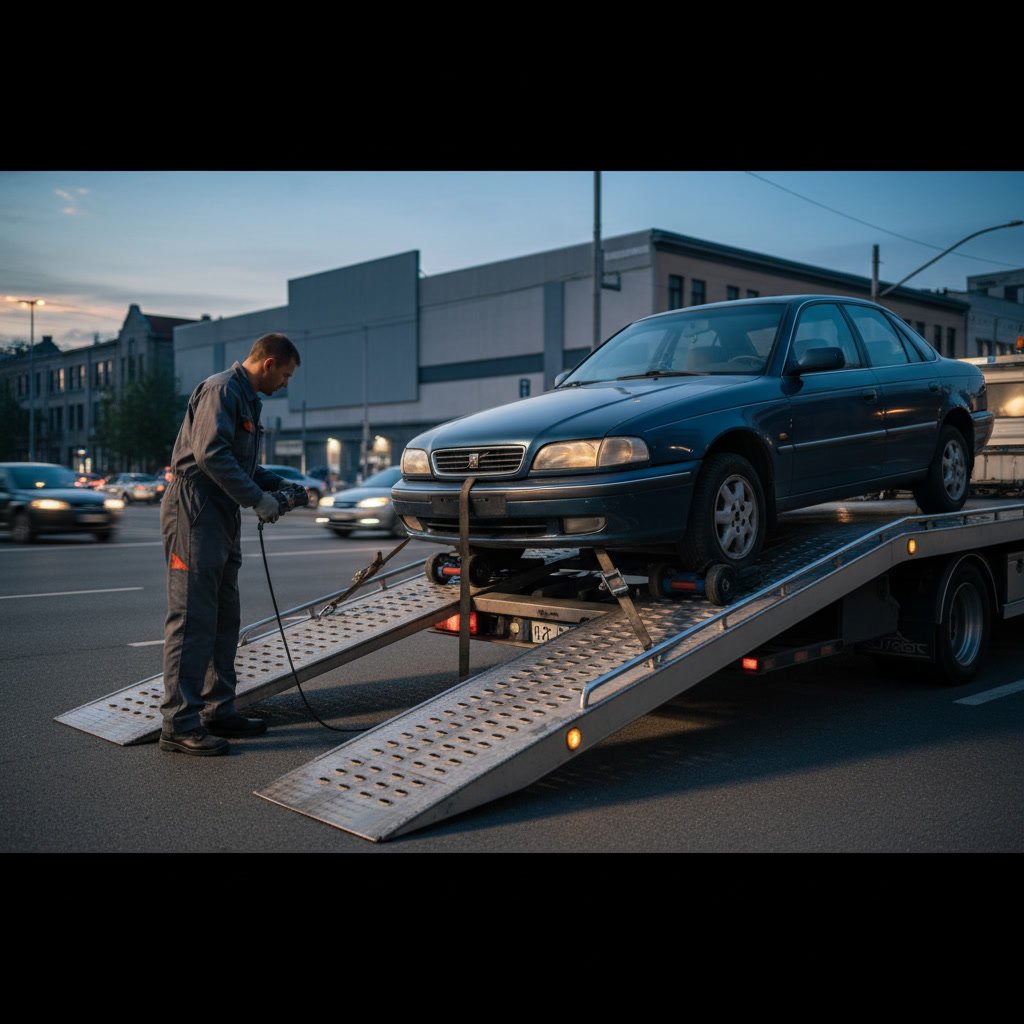
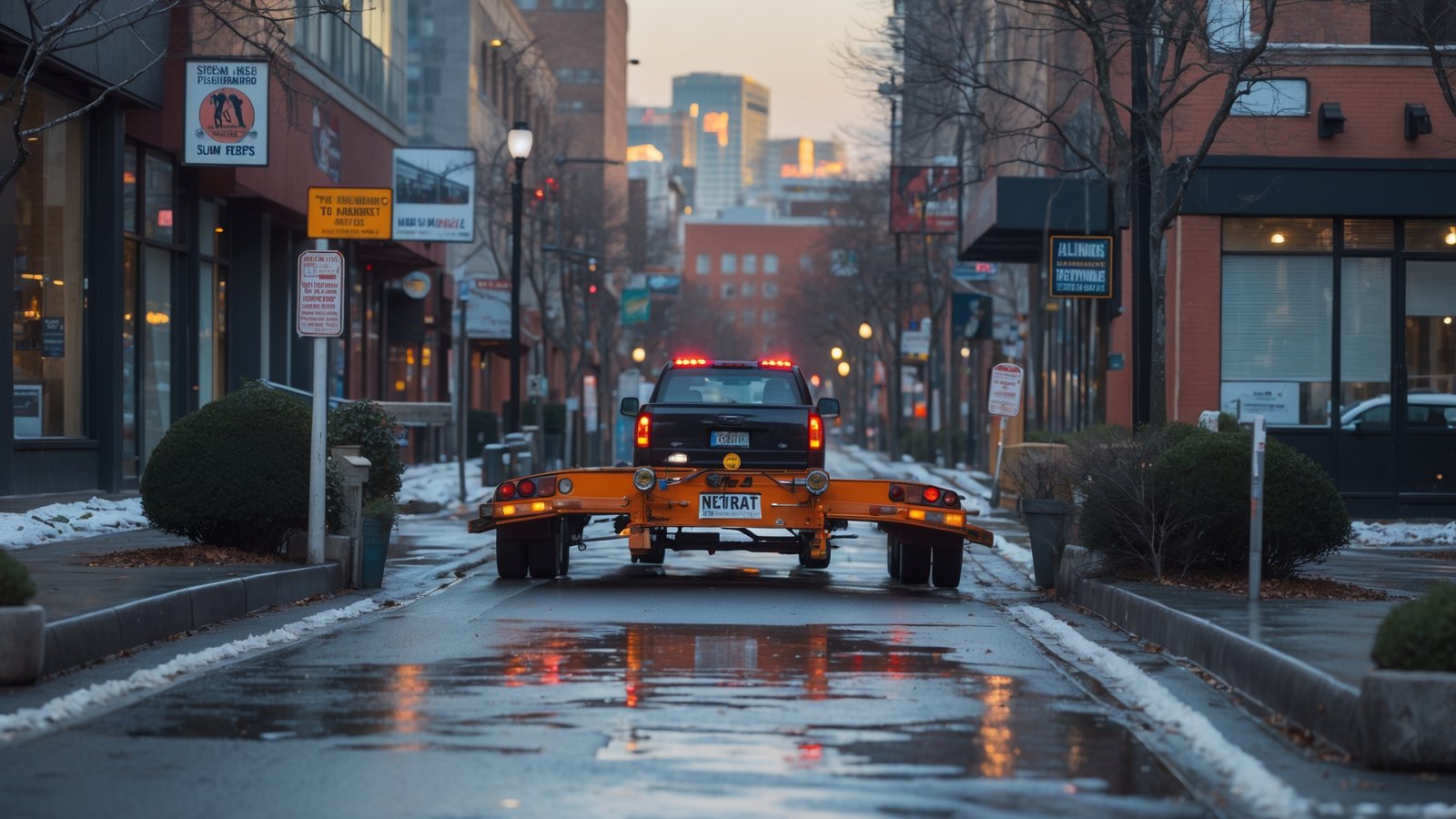
The driver positions the truck near your vehicle, typically in front of it. The bed tilts down using hydraulic controls until the rear edge touches the ground, creating a ramp. If your car can move under its own power or be shifted into neutral, it’s driven or pushed onto the bed.
For vehicles that can’t move, the operator uses a heavy-duty winch with a cable rated for several tons. The cable attaches to a secure tow point on your vehicle’s frame, and the winch pulls the car smoothly up the ramp.
Once positioned correctly on the bed, the operator places the vehicle in park, sets the parking brake, and secures it with wheel chocks. Heavy-duty straps attach to the frame or designated tie-down points at multiple locations, typically four to six connection points total. The bed then tilts back to horizontal and locks into place for transport.
Transport Safety Features
Professional flatbed trucks include multiple safety systems. Redundant tie-downs ensure that if one strap fails, others maintain security. Wheel chocks prevent any rolling movement. Many modern flatbed trucks also feature integrated lighting and camera systems to monitor the load during transport.
The driver performs a final walk-around inspection before departing, checking strap tension, wheel chock position, and clearances. This systematic approach minimizes any risk of the vehicle shifting during transport.
Comparing Flatbed Costs to Potential Damage
Flatbed towing typically costs $25 to $75 more than wheel-lift towing for local distances in the Seattle area. This price difference reflects the specialized equipment, additional time required for loading, and the larger truck required.
When you compare this modest additional cost to the price of repairing transmission damage, undercarriage scrapes, or body panel dents, the value becomes clear. A single transmission replacement can cost $4,000 to $8,000. Repairing a damaged front splitter on a sports car might run $1,500 to $3,000.
Insurance companies understand this math. Many comprehensive auto policies cover towing costs, and insurers often specify flatbed transport for high-value vehicles because it reduces their claim exposure.
Beyond immediate repair costs, improper towing can affect your vehicle’s resale value. A damaged transmission or documented scrapes reduce what buyers will pay. Maintaining your car’s condition through proper transport preserves its value over time.
Choosing a Flatbed Towing Provider in Seattle
Not all towing companies operate flatbed trucks, and not all flatbed operators have equal experience with luxury or AWD vehicles. When you need service, ask specific questions before committing.
Confirm the company has flatbed trucks available and can dispatch one to your location within a reasonable timeframe. Ask about the operator’s experience with your vehicle type. A company familiar with European luxury cars or electric vehicles will understand specific requirements and precautions.
Verify insurance coverage. Professional towing companies carry substantial liability insurance and cargo insurance to cover your vehicle during transport. Don’t hesitate to request proof of insurance if you’re transporting a high-value car.
Check for proper licensing and certification. Washington State requires tow truck operators to register with the Department of Licensing and meet specific safety and insurance requirements.
Additional Situations Where Flatbed Service Protects Your Investment
Beyond breakdowns and accidents, flatbed transport serves other important purposes. If you’re moving and need to transport a classic car, show car, or recently restored vehicle, flatbed service prevents adding unnecessary miles to the odometer and protects against road debris, weather, and wear.
Vehicle collectors and dealers routinely use flatbed transport when moving cars between locations. This keeps pristine vehicles in showroom condition and provides security during transport.
When you’re ready to remove an old vehicle from your property, flatbed service makes the process straightforward. Even if the car doesn’t run, has flat tires, or has been sitting for years, a flatbed truck can load and remove it efficiently. Smith Towing provides complete junk car removal services throughout the Seattle area, similar to our approach when helping customers who need to dispose of non-running vehicles.
Frequently Asked Questions
Can AWD vehicles ever be towed without a flatbed?
Some AWD vehicles can be towed using a wheel-lift truck combined with dollies under the other pair of wheels, lifting all four wheels off the ground. However, this method is more complex, takes longer to set up, and introduces more potential failure points. Flatbed towing remains the simpler, safer choice for AWD systems.
How much does flatbed towing Seattle service typically cost?
Local flatbed towing in Seattle generally ranges from $100 to $200 for distances under 10 miles, with costs increasing for longer distances. Factors affecting price include time of day, distance, vehicle size, and whether specialized equipment is needed. Emergency after-hours service typically carries a premium.
Will my insurance cover flatbed towing?
Most comprehensive auto insurance policies include roadside assistance coverage that pays for towing up to a specified dollar amount or distance. Many policies recognize that certain vehicles require flatbed transport and will cover the additional cost. Review your specific policy or contact your insurer to confirm coverage details.
How long does flatbed loading take compared to wheel-lift towing?
Flatbed loading typically takes 10 to 15 minutes from arrival to departure, compared to five to eight minutes for wheel-lift service. The additional time accounts for tilting the bed, winching or driving the vehicle onto the platform, and securing it with multiple tie-downs. This modest time difference is worth the added protection for your vehicle.
Can flatbed trucks access tight parking garages or narrow streets?
Flatbed trucks are larger than wheel-lift trucks, typically 20 to 25 feet long with the bed extended. Some tight downtown parking garages, narrow alleys, or residential driveways may not accommodate a full-size flatbed. Professional towing companies often maintain smaller flatbed units for restricted access situations, so mention any space constraints when you call for service.
Protecting Your Vehicle Starts With the Right Transport Method
Flatbed towing Seattle services provide the safest transport option for luxury vehicles, all-wheel-drive systems, and any car where protecting your investment matters. The modest additional cost prevents potential damage that could cost thousands to repair and maintains your vehicle’s condition and value.
Smith Towing operates professional flatbed tow trucks throughout Seattle, Redmond, Kirkland, and Edmonds. Our operators understand the specific requirements of luxury and AWD vehicles and take the extra care your investment deserves. When you need flatbed transport or any towing service in the Seattle area, contact us at +18633732644 for fast, professional assistance that protects your vehicle.