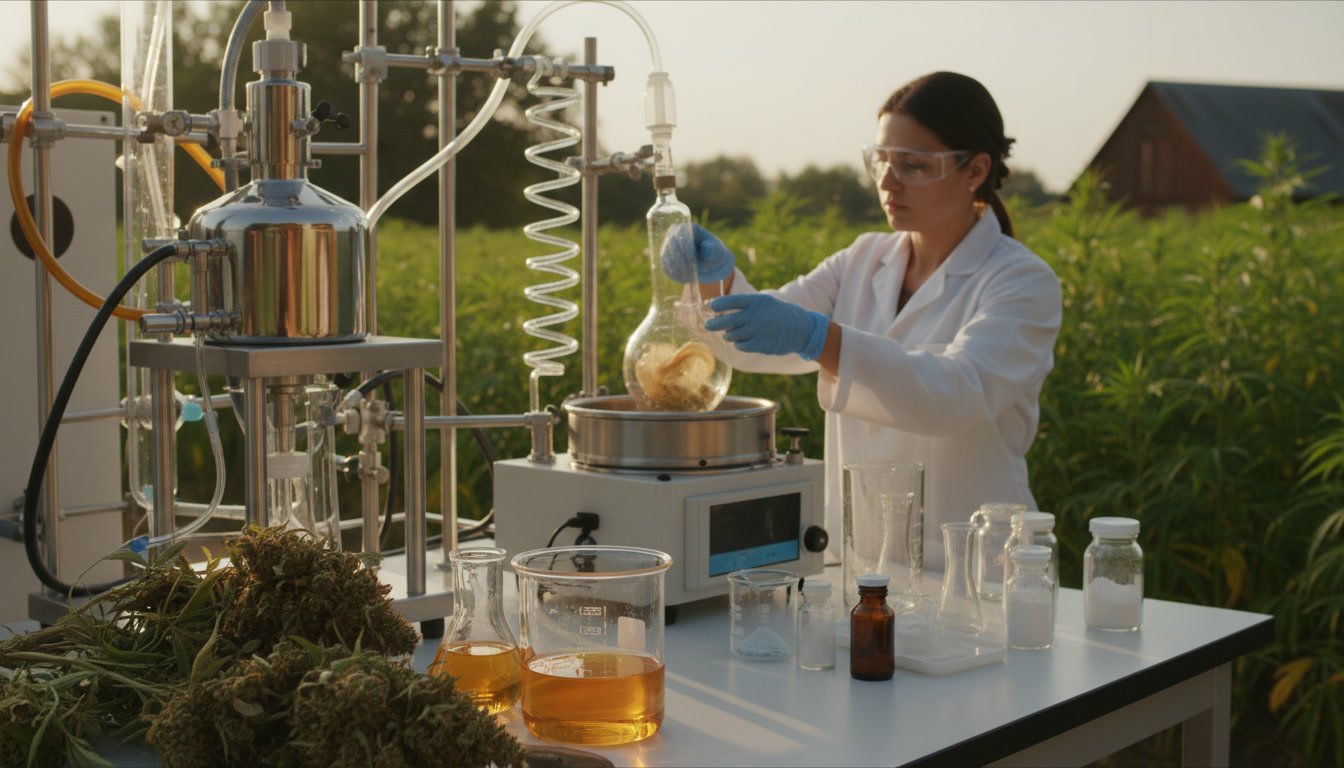

Terpenes are aromatic compounds found in cannabis that work alongside cannabinoids to shape the overall experience of each strain. While many consumers focus solely on THC percentage when selecting products, cannabis terpenes effects play an equally important role in determining whether a strain feels energizing, relaxing, or balanced. Understanding terpene profiles helps you choose products that match your specific needs rather than relying on THC content alone.
Why THC Percentage Tells Only Half the Story
A strain with 25% THC may produce entirely different effects than another strain with the same percentage. This difference stems from the unique combination of terpenes and minor cannabinoids present in each cultivar. Two people consuming identical THC levels can have vastly different experiences based on the terpene profile of their chosen product.
The cannabis plant produces over 100 different terpenes, and each strain contains a unique blend. These compounds influence not just aroma and flavor but also how cannabinoids interact with your body’s endocannabinoid system. This synergy, often called the entourage effect, explains why full-spectrum products typically produce more nuanced effects than isolated THC.
What Terpenes Actually Do in Your Body
Terpenes interact with receptors in your brain and body independently of THC. Some bind to the same receptors that cannabinoids target, while others affect neurotransmitter activity or modulate inflammation. Myrcene, for example, may enhance the permeability of cell membranes, allowing cannabinoids to take effect more quickly and intensely.
These compounds also influence the pharmacokinetics of THC, meaning they can affect how quickly it enters your bloodstream, how long it remains active, and how intensely you feel its effects. A cannabis product rich in certain terpenes might produce a faster onset or longer duration compared to one with different terpene ratios but identical THC content.

The Six Most Common Terpenes and Their Effects
Myrcene is the most abundant terpene in many cannabis strains, offering an earthy, musky aroma. Strains high in myrcene tend to produce sedating, body-focused effects. Research suggests myrcene may enhance muscle relaxation and promote restful states, making it common in nighttime strains.
Limonene carries a bright citrus scent and often appears in uplifting, mood-enhancing strains. This terpene may support stress relief and mental clarity. Pinene, which smells like pine needles, is associated with alertness and memory retention. It may counteract some of the short-term memory effects that high-THC products sometimes cause.
Caryophyllene has a spicy, peppery note and uniquely binds to CB2 receptors in your endocannabinoid system. This interaction may offer anti-inflammatory benefits without psychoactive effects. Linalool, found in lavender, brings floral notes and is often linked to calming, anxiety-reducing effects. Humulene, with its woody, earthy character, appears in strains that may suppress appetite and offer anti-inflammatory properties.
How to Read Lab Reports for Terpene Content
Reputable dispensaries and smoke shops provide lab reports showing both cannabinoid and terpene profiles. Look for a section listing terpenes by percentage or milligrams per gram. The top three terpenes typically make up the majority of a strain’s aromatic profile and are most responsible for its effects.
Total terpene content usually ranges from 1% to 3% in quality flower, though some exceptional strains reach 5% or higher. A strain with 20% THC and 3% terpenes will likely provide a richer, more balanced experience than one with 28% THC and only 0.5% terpenes. At Kush Kingdom LLC, every product undergoes thorough lab testing to verify both cannabinoid and terpene profiles before reaching our shelves.
Why Smell Matters More Than You Think
Your nose is one of the best tools for selecting cannabis products. When you smell a strain, you’re detecting its terpene profile. If a product smells appealing to you, there’s a good chance its terpene composition will produce effects you enjoy.
Conversely, if a strain smells harsh, chemical, or unpleasant, its terpene profile may not match your preferences regardless of THC percentage. Fresh, properly cured cannabis should smell vibrant and complex. Muted or hay-like aromas often indicate degraded terpenes, which means diminished effects even if THC content remains high.

Strain Names vs. Actual Terpene Profiles in Labelle
Many consumers choose strains based on names like “Sour Diesel” or “Blue Dream,” but genetics vary between growers. Two batches of the same named strain can have different terpene profiles depending on cultivation methods, harvest timing, and curing processes.
This inconsistency makes lab reports essential. Rather than relying on strain names alone, check the specific terpene content of the batch you’re considering. A strain labeled “Sour Diesel” from one producer might be myrcene-dominant and sedating, while another grower’s version could be high in limonene and energizing. This variation is why knowledgeable staff and transparent lab testing matter when shopping in Labelle and surrounding areas.
How Storage and Freshness Affect Terpene Content
Terpenes are volatile compounds that degrade when exposed to heat, light, and oxygen. A product that tested at 2.5% total terpenes three months ago may now contain significantly less if stored improperly. This degradation affects both aroma and effects.
Store cannabis in airtight containers away from direct light and heat sources. Glass jars with humidity control packs maintain terpene integrity far better than plastic bags. Products stored at room temperature in dark conditions retain their terpene profiles for several months, while those left in hot cars or sunny windowsills lose potency within weeks. Similar to how CBD products require proper storage to maintain effectiveness, cannabis flower needs careful handling to preserve its beneficial compounds.
Terpenes in Different Cannabis Product Types
Flower typically offers the most complete terpene profile since it’s minimally processed. Pre-rolls made from fresh, quality flower retain these compounds well, though ground cannabis exposed to air begins losing terpenes within days.
Concentrates like wax and live resin vary dramatically in terpene content. Live resin, flash-frozen immediately after harvest, preserves more terpenes than standard extracts. Some concentrates have terpenes reintroduced after extraction, but these added terpenes may not produce identical effects to naturally occurring ones.
Vape cartridges range from high-terpene live resin carts to distillate with added flavoring. Check lab reports to verify whether terpenes are cannabis-derived or botanical. Edibles typically contain minimal terpenes since most degrade during cooking, though some manufacturers add terpene blends to gummies and other products. Just as tinctures offer precise dosing for cannabinoids, they also preserve terpenes better than many edible formats when properly formulated.

Creating Your Own Terpene Reference Guide
Start tracking which terpene profiles produce your preferred effects. When you find a product you enjoy, note its top three terpenes and their percentages. After trying several products, patterns will emerge showing which terpene combinations work best for your needs.
For example, you might discover that strains with 1% or more myrcene consistently help you relax, while those high in pinene and limonene keep you focused during daytime activities. This personalized reference becomes more valuable than any general strain guide because it’s based on your individual response.
Keep a simple log on your phone noting product names, terpene profiles, and your experience. Over time, this log helps you make informed choices regardless of product names or marketing claims. This approach works whether you’re exploring flower, concentrates, or other formats available at your local shop.
Common Misconceptions About Indica, Sativa, and Terpenes
The traditional indica-versus-sativa classification has limited scientific basis. Modern research suggests terpene profiles and cannabinoid ratios determine effects far more than plant structure. A “sativa” strain high in myrcene may produce sedating effects typically associated with “indica” varieties.
Many industry professionals now classify strains by their dominant terpenes rather than botanical lineage. This approach provides more accurate predictions about effects. When someone says they prefer “indica,” they often mean they enjoy strains high in myrcene, caryophyllene, and other terpenes that promote relaxation. Understanding this connection helps you find products that deliver your desired experience regardless of their indica or sativa label.
Making Informed Choices at Your Local Shop
Choosing cannabis products based on terpene profiles rather than THC percentage alone leads to more satisfying experiences and better value. Two grams of 18% THC flower with a robust terpene profile often outperform four grams of 25% THC product with degraded or minimal terpenes.
Ask to see lab reports and smell products before purchasing when possible. Staff at quality shops can guide you toward products with terpene profiles matching your goals, whether that’s relaxation, focus, creativity, or pain management. This informed approach helps you spend less time experimenting and more time enjoying products that actually work for your needs.
Understanding how terpenes shape your experience transforms cannabis selection from guesswork into an informed process. By paying attention to these aromatic compounds and how they interact with cannabinoids, you’ll consistently find products that deliver the effects you’re seeking. Kush Kingdom LLC maintains detailed lab reports and knowledgeable staff ready to help you understand terpene profiles for every product we carry. Whether you’re exploring flower, concentrates, or other cannabis options, we’re here to provide the honest guidance that inspired us to open our doors. Give us a call at +18633732644 to discuss which terpene profiles might work best for your specific needs.