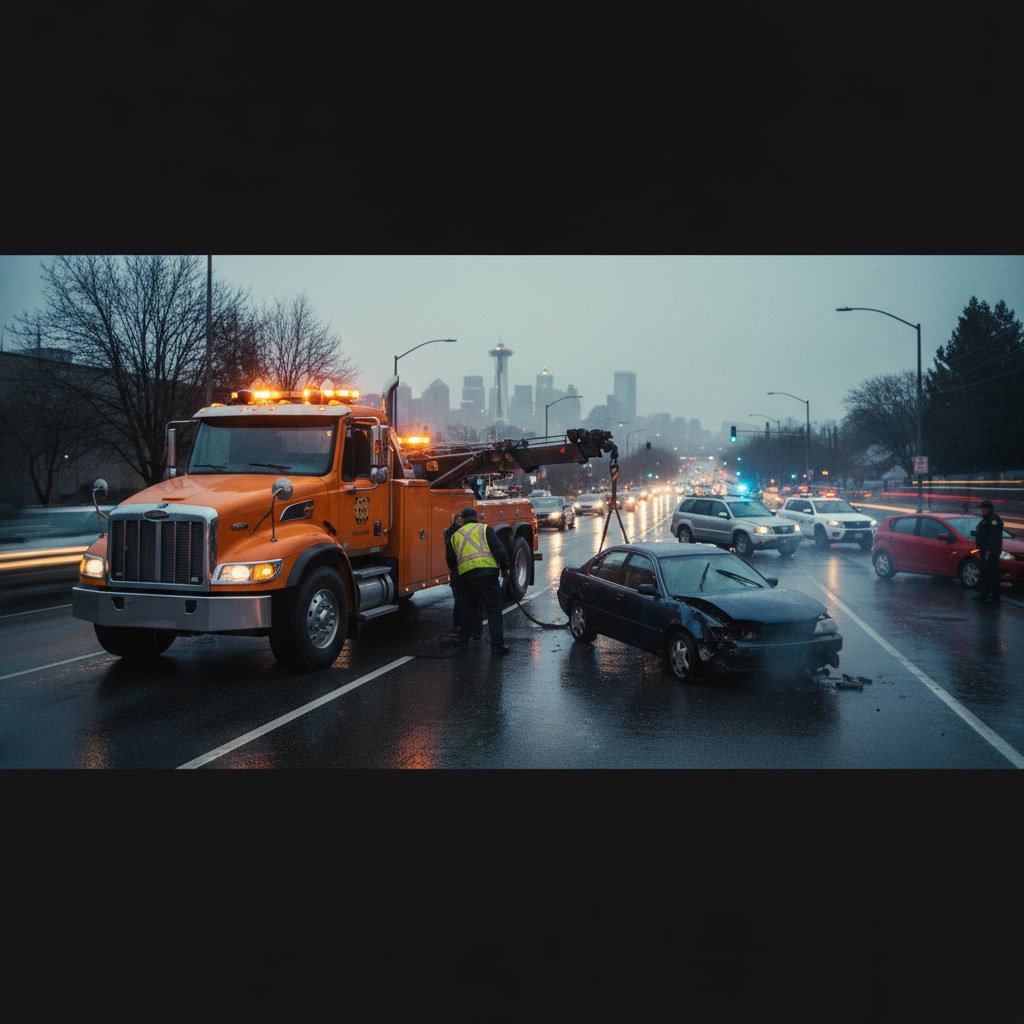
You turn the key and nothing happens. Or maybe the engine sputters and dies on the side of the road. Your first thought is probably fuel, but before you call for help, you need to know whether you actually ran out of gas or if something more serious is wrong. Knowing the difference between needing fuel delivery or tow Edmond services can save you time, money, and a lot of frustration when you’re stranded.
This guide walks you through the diagnostic steps you can take on the spot, the warning signs that point to each scenario, and when to call for professional help. By the end, you’ll know exactly what to look for and how to get back on the road safely.
Check Your Fuel Gauge First
It sounds obvious, but many drivers overlook the fuel gauge in a moment of panic. If your needle is on or below empty, there’s a strong chance you simply ran out of gas. However, fuel gauges aren’t always accurate, especially in older vehicles or those with electrical issues.
If your gauge shows a quarter tank or more, fuel isn’t likely the issue. You’re probably dealing with a mechanical or electrical problem that requires a tow. If the gauge is near empty or fluctuating wildly, an empty tank is the most probable cause.
Some vehicles have a low fuel warning light that illuminates when you have 30 to 50 miles of range left. If that light has been on for a while and you’ve been driving, running out of fuel is very likely.
Listen for Engine Cranking Sounds
When you turn the key or press the start button, pay close attention to what happens. If the engine cranks (you hear a repeated turning sound) but won’t start, that’s different from no sound at all.
An engine that cranks but won’t catch usually means the starter and battery are fine, but fuel, spark, or air isn’t reaching the engine. If you’re low on gas, this is exactly what you’d hear. The starter works, but there’s no fuel to ignite.
If you hear nothing when you try to start, or just a single click, the problem is likely electrical. A dead battery, bad starter, or ignition issue won’t respond to fuel delivery. In that case, you’ll need a tow or a roadside assistance service that can diagnose the problem on-site.
Sputtering Before Stopping
If your car sputtered, jerked, or lost power gradually before it died, that’s a classic sign of fuel starvation. When the tank runs dry, the fuel pump starts pulling air, causing the engine to misfire and lose power in spurts.
A sudden, complete shutdown without warning is more consistent with electrical failure or a broken timing belt. Fuel-related stops almost always give you a few seconds of rough running first.
Try the Ignition Multiple Times
If you suspect you’re out of gas, try starting the vehicle two or three times, waiting about 10 seconds between attempts. Don’t crank for more than five seconds at a time, or you risk draining your battery.
Sometimes a tiny amount of fuel remains in the lines, and repeated cranking can draw it into the engine. If the car starts briefly then dies again, that confirms fuel as the issue. You’re running on fumes, and you need fuel delivery, not a tow.
If repeated attempts produce no change at all, the problem isn’t fuel. You’re looking at a mechanical issue that requires professional diagnostics and likely a flatbed tow to a repair shop.
Look for Dashboard Warning Lights
Modern vehicles are equipped with onboard diagnostics that can help you pinpoint the issue. When you turn the key to the “on” position without cranking, check which warning lights appear on the dash.
A check engine light, oil pressure light, or battery light can all point to non-fuel issues. If you see multiple warning lights or the entire dash stays dark, you’re dealing with an electrical or computer problem that fuel won’t fix.
If only the low fuel light is on and everything else looks normal, running out of gas is the likely culprit. Smith Towing offers fast fuel delivery in Edmond to get you moving again without the cost or hassle of a tow.
Consider Your Recent Driving Conditions
Think about the last few miles before your vehicle stopped. Were you climbing a steep hill, making a sharp turn, or driving on a significant incline? Fuel sloshes around in the tank, and if you’re very low, the pump can lose suction during these maneuvers.
If your car died on a hill or right after a turn and you’re near empty, you likely have just enough fuel that it’s not reaching the pump. Adding even a gallon or two will solve the problem immediately.
On the other hand, if you were driving normally on flat road and the vehicle simply quit, fuel starvation is less likely unless your tank is bone dry. In that case, consider other causes like a failing fuel pump, clogged filter, or ignition coil.
When Fuel Delivery Is the Right Call
You should request fuel delivery when the evidence points clearly to an empty tank. Here are the scenarios where roadside assistance with fuel delivery is the right move.
Gauge Reads Empty or Very Low
If your fuel gauge is on E and you’ve driven past your normal refill point, you ran out of gas. This is especially common when drivers stretch their range or misjudge the distance to the next station.
Engine Cranks But Won’t Start
As mentioned earlier, cranking without starting usually indicates fuel, spark, or air issues. If your tank is low and the engine cranks strongly, fuel delivery will likely solve it.
No Warning Lights Except Low Fuel
When the only dash indicator is the low fuel warning, and everything else functions normally (radio, lights, dashboard), the diagnosis is straightforward.
You Sputtered to a Stop
Gradual power loss with jerking or hesitation before the engine died is textbook fuel starvation. A couple gallons will have you running again in minutes.
Pro Tip: After running completely out of gas, it may take a few extra cranks to start even after refueling. The fuel system needs to prime and push air out of the lines. Give it 10 to 15 seconds of cranking in short bursts.
When You Need a Tow Instead
Not every roadside breakdown is fuel-related. If you notice any of the following, you’ll need a tow to a repair facility rather than fuel delivery or tow Edmond guesswork.
No Cranking Sound at All
A completely dead response when you turn the key means electrical failure. This could be a dead battery, faulty starter, or ignition switch. Fuel won’t help.
If you recently had trouble starting or noticed dimming lights, your battery may have finally given out. In that scenario, our team can provide a professional jumpstart service to confirm whether the battery is the issue.
Fuel Gauge Shows Quarter Tank or More
If you have a significant amount of fuel, the problem lies elsewhere. Common causes include a bad fuel pump, clogged fuel filter, failing alternator, or broken timing components.
Strange Noises Before Stopping
Grinding, knocking, or squealing sounds before the engine died indicate mechanical failure. This could be a thrown rod, seized engine, or transmission problem. You need a tow, and possibly a flatbed to protect the drivetrain during transport.
Smoke or Burning Smell
Visible smoke or the smell of burning oil, rubber, or plastic means something has overheated or failed. Do not attempt to restart the vehicle. Call for a tow immediately to avoid further damage or safety hazards.
Multiple Warning Lights
If your dashboard lights up like a Christmas tree, the vehicle’s computer has detected serious faults. These can range from sensor failures to engine damage. Fuel delivery won’t address computer or sensor issues.
What to Do While You Wait for Help
Once you’ve determined whether you need fuel delivery or tow Edmond services, take a few steps to stay safe while waiting for help to arrive.
Turn on your hazard lights immediately, even in daylight. If you’re on a busy road or highway, try to move the vehicle as far to the shoulder as safely possible. If the car won’t move at all, stay inside with your seatbelt on if traffic is heavy.
If you’re in a safe, well-lit area like a parking lot, you can exit the vehicle and wait outside. Never stand directly behind or in front of your car, and stay away from traffic lanes.
Keep your phone charged and stay aware of your surroundings. If you’re in an unfamiliar area, let someone know where you are and that you’re waiting for roadside help.
How Smith Towing Responds to Fuel and Tow Calls in Edmond
When you call for help, the dispatcher will ask you a few questions to determine the right service. Describing your symptoms accurately helps the team bring the right equipment and get you moving faster.
For fuel delivery, a service vehicle arrives with enough gasoline to get you to the nearest station, usually two to three gallons. The technician will pour it into your tank and may assist with restarting if the fuel system needs priming.
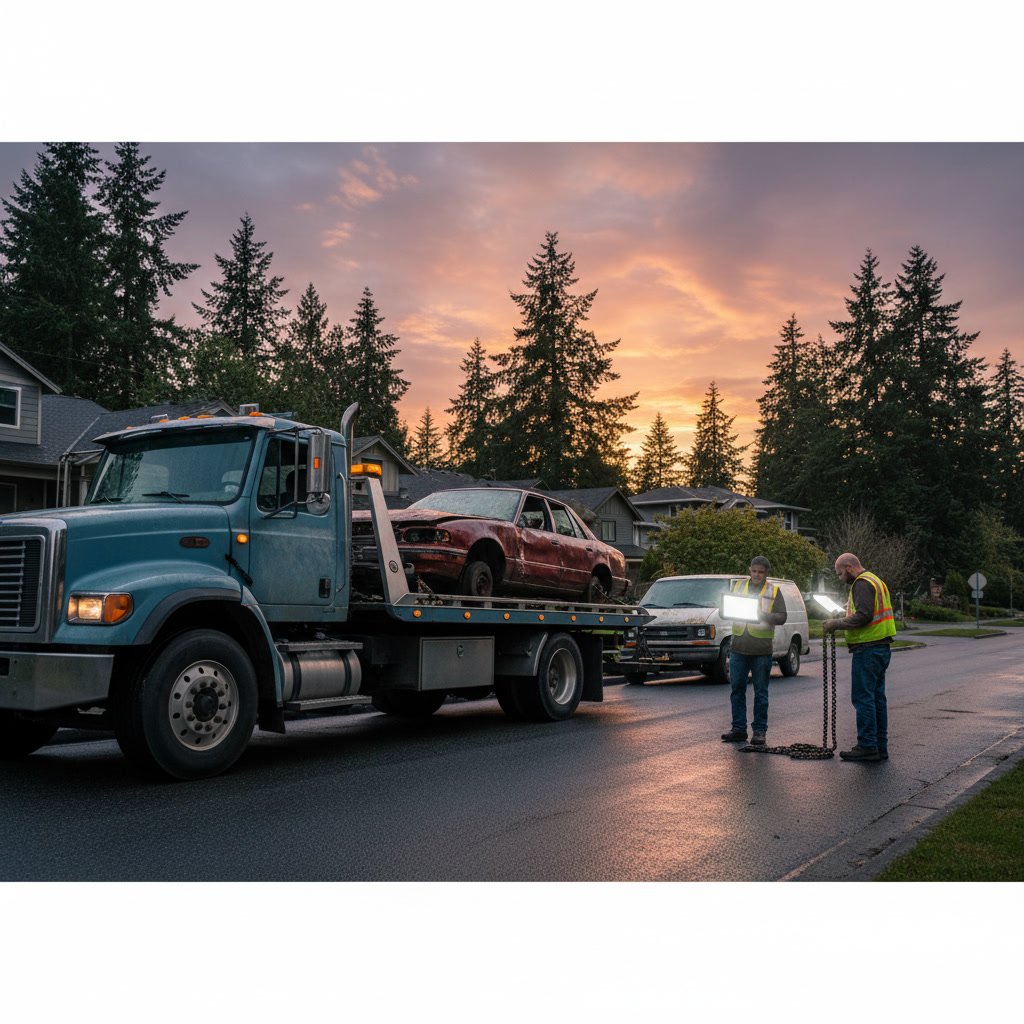
If a tow is required, Smith Towing dispatches the appropriate truck based on your vehicle type and the situation. Flatbed towing is the safest option for all-wheel-drive, luxury, and low-clearance vehicles, as explained in our post on why flatbed towing protects luxury and AWD vehicles.
Response times depend on your location, time of day, and traffic conditions. Learn more about what affects arrival times in our guide to roadside assistance response times in Redmond.
Preventing Future Fuel Emergencies
Running out of gas is one of the easiest roadside emergencies to prevent. Make it a habit to refuel when your tank reaches a quarter full, especially on long trips or in rural areas where stations are sparse.
Keep a small emergency fuel can in your trunk if you frequently drive in remote areas. A one or two-gallon container can get you to the next station and avoid the cost of a service call.
Pay attention to your fuel economy. If you notice you’re burning through gas much faster than normal, have your vehicle checked for leaks, faulty injectors, or a failing oxygen sensor. Ignoring these issues can leave you stranded.
If your fuel gauge is acting erratically or you suspect it’s reading incorrectly, get it tested. Driving blind on fuel level is a recipe for an empty tank and an inconvenient breakdown.
Frequently Asked Questions
How long does fuel delivery take in Edmond?
Most fuel delivery services arrive within 30 to 45 minutes, depending on your location and time of day. Heavy traffic or remote areas may add time, but dispatchers can give you an estimated arrival window when you call.
Can I put the wrong type of fuel in my car during an emergency?
No. Always use the correct fuel type for your vehicle. Putting diesel in a gasoline engine or vice versa can cause serious damage and require expensive repairs. If you’re unsure, check your owner’s manual or the fuel door label before accepting fuel delivery.
Will my car start right away after getting fuel?
Usually, but not always. If you ran completely dry, the fuel system may have air in the lines. It can take several cranking attempts over 10 to 20 seconds to prime the system. If the car still won’t start after a few tries, there may be another issue that requires a tow.
How much does fuel delivery cost compared to a tow?
Fuel delivery is significantly cheaper than a tow. A typical fuel delivery service costs between 50 and 80 dollars, including the fuel and service fee. A tow can range from 100 to 300 dollars or more depending on distance and vehicle type.
What should I tell the dispatcher when I call?
Describe your symptoms clearly. Mention whether the engine cranks, what your fuel gauge reads, any warning lights, and any sounds or smells you noticed. This helps the team send the right service and equipment on the first trip.
Get Back on the Road Fast
Knowing whether you need fuel delivery or tow Edmond services comes down to a few key observations: your fuel gauge reading, how the engine behaves when you try to start it, and any warning lights or unusual symptoms. Most fuel-related breakdowns are quick fixes with delivery, while mechanical or electrical issues require professional diagnostics and a tow.
If you’re stranded in Edmond and need help, Smith Towing provides both fuel delivery and towing services across the Seattle area. Our team responds quickly, arrives prepared, and gets you back on the road or safely to a repair shop.
Call +18633732644 anytime for fast, reliable roadside assistance in Edmond and surrounding areas.