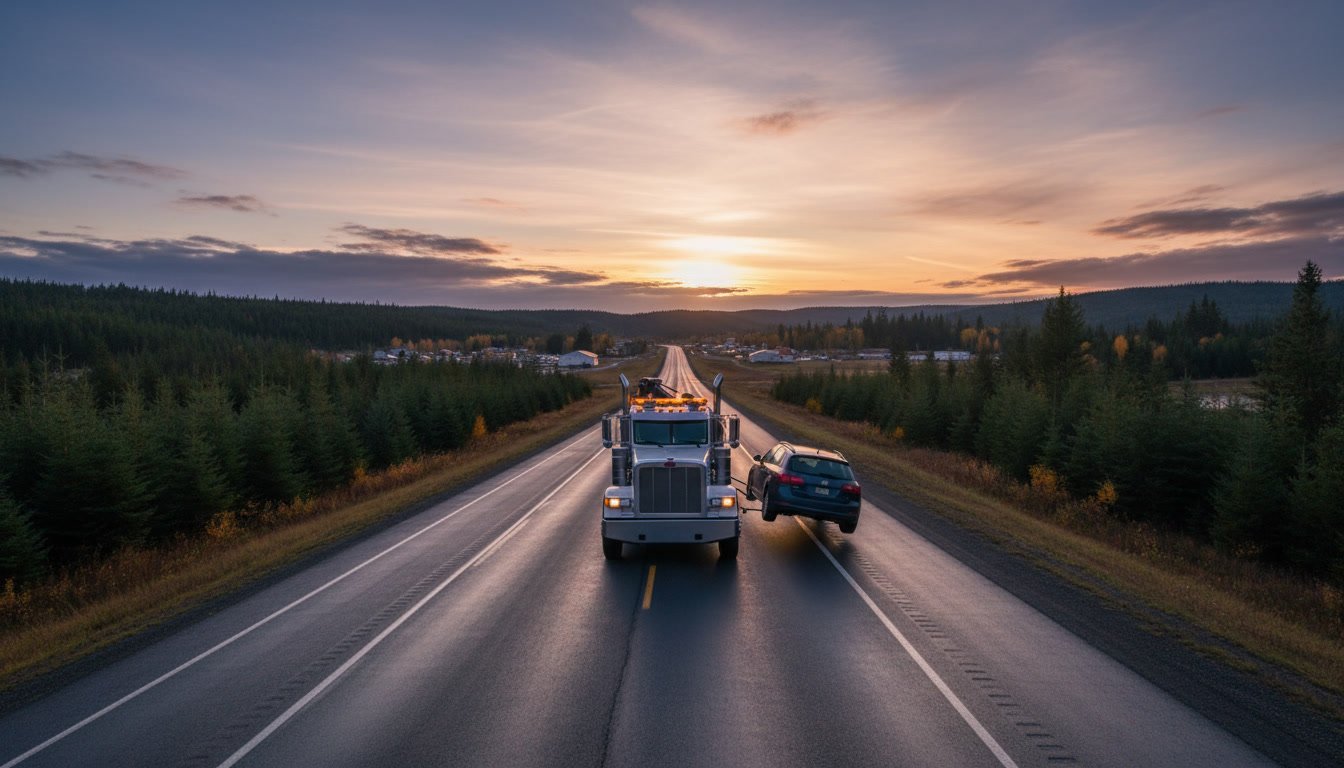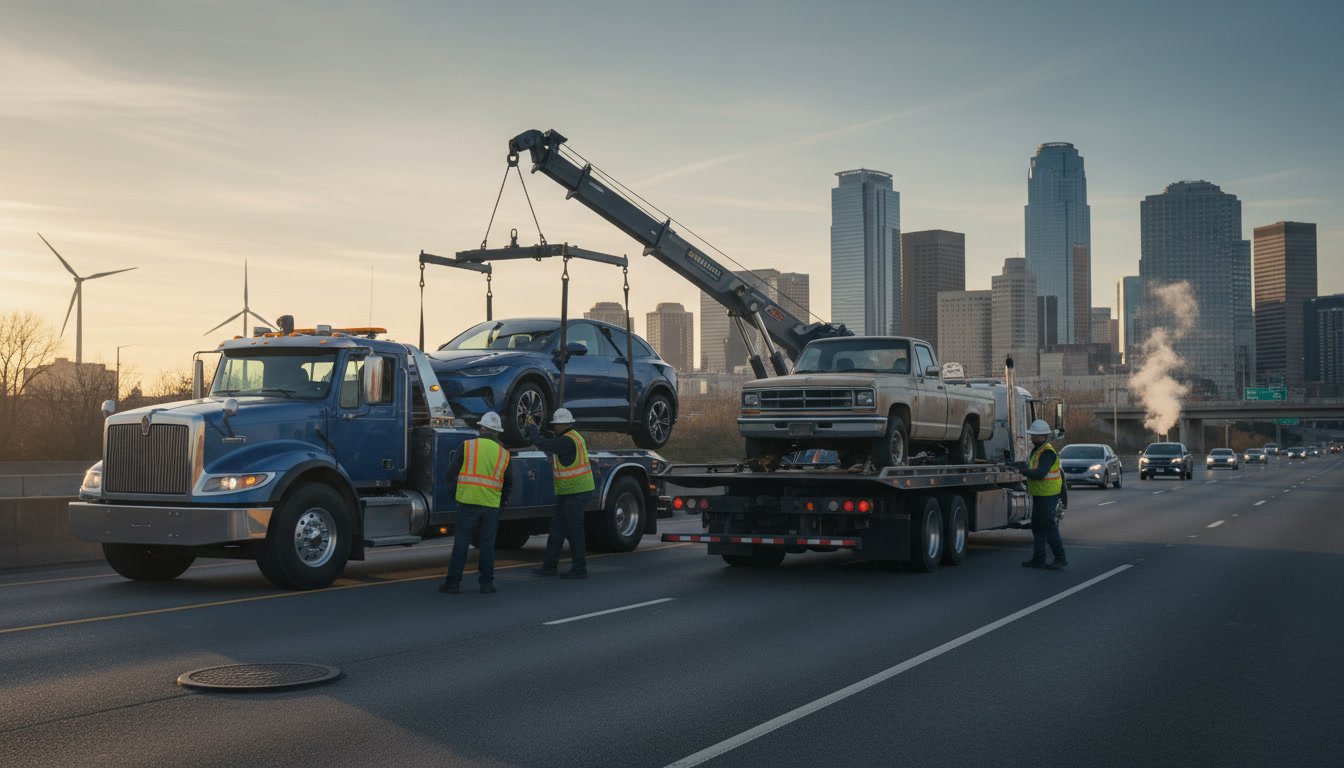

An overheating engine can mean anything from a minor coolant leak to catastrophic engine failure. Knowing when to call for a car overheating tow versus attempting to drive home can save you thousands in repair costs and prevent you from being stranded in an unsafe location. If you see steam pouring from the hood, the temperature gauge deep in the red zone, or warning lights flashing, your next decision matters more than you might realize.
Why Engines Overheat and What Happens Inside
Your engine operates within a narrow temperature range, typically between 195 and 220 degrees Fahrenheit. When cooling systems fail, metal components expand beyond their design tolerances. Head gaskets can blow, cylinder heads can warp, and in severe cases, pistons can seize inside their cylinders. Most drivers notice the problem when the temperature gauge climbs past the halfway mark or a warning light appears on the dashboard.
Common causes include low coolant levels, failed thermostats, broken water pumps, clogged radiators, and leaking hoses. A single small leak can drain enough coolant in 20 minutes of highway driving to push temperatures into the danger zone. What starts as a fixable problem quickly becomes expensive when you keep driving on an overheated engine.
Immediate Warning Signs That Demand You Stop Driving
Certain symptoms mean you should pull over immediately and call for help rather than risk further damage. If you see steam or smoke billowing from under the hood, the engine has already exceeded safe temperatures. A sweet smell inside the cabin often indicates coolant leaking onto hot engine components. Unusual knocking or ticking sounds suggest metal parts are expanding and making contact where they shouldn’t.
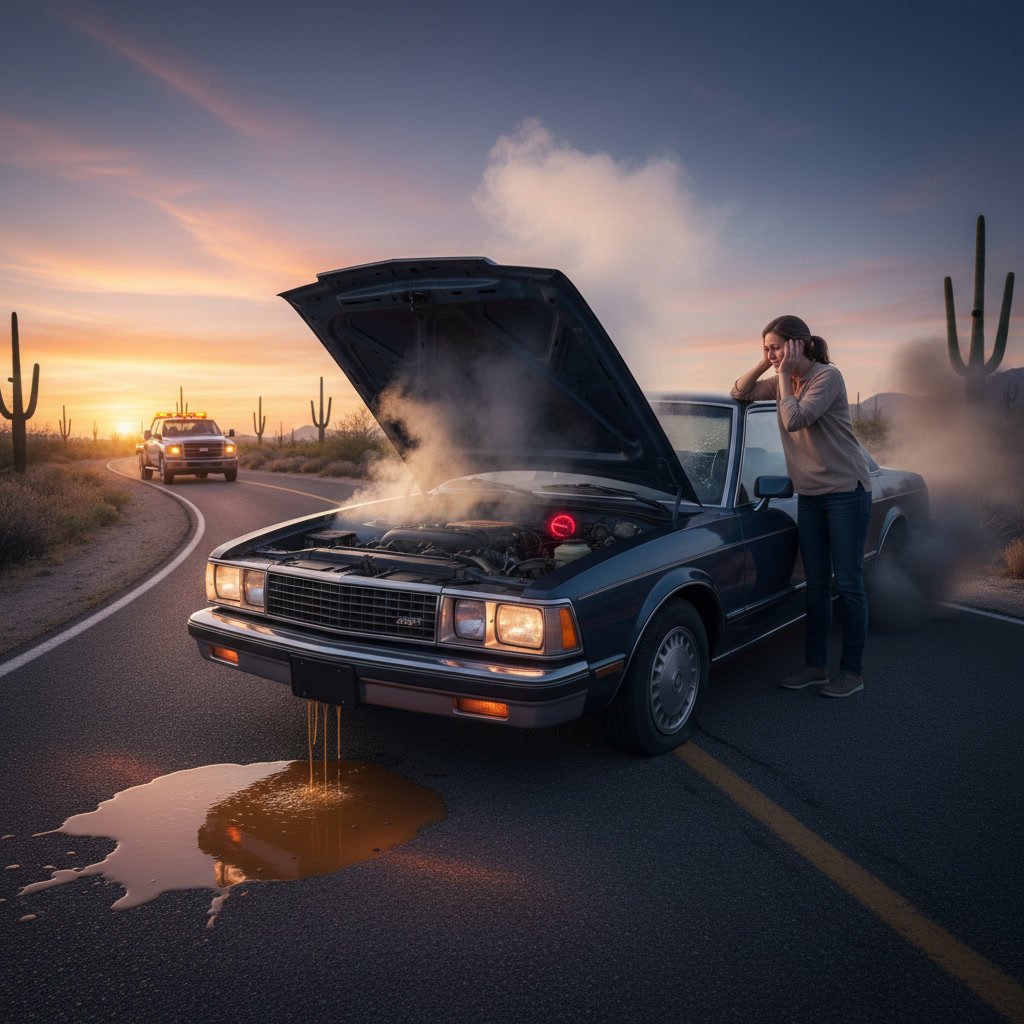
The temperature gauge sitting firmly in the red zone for more than 30 seconds is another critical indicator. Modern vehicles also display specific warning messages like “Engine Overheat” or “Coolant Temperature High” on digital instrument clusters. When multiple warning lights illuminate together, especially the check engine light combined with temperature warnings, the vehicle is telling you to stop immediately.
Safe Steps to Take When Your Temperature Gauge Climbs
If you notice the temperature rising but haven’t yet hit critical levels, you have a brief window to take protective action. Turn off the air conditioning immediately, as the AC system adds significant heat load to the engine. Turn the heater to maximum and the fan to high speed. This draws heat away from the engine and into the cabin, buying you a few extra minutes.
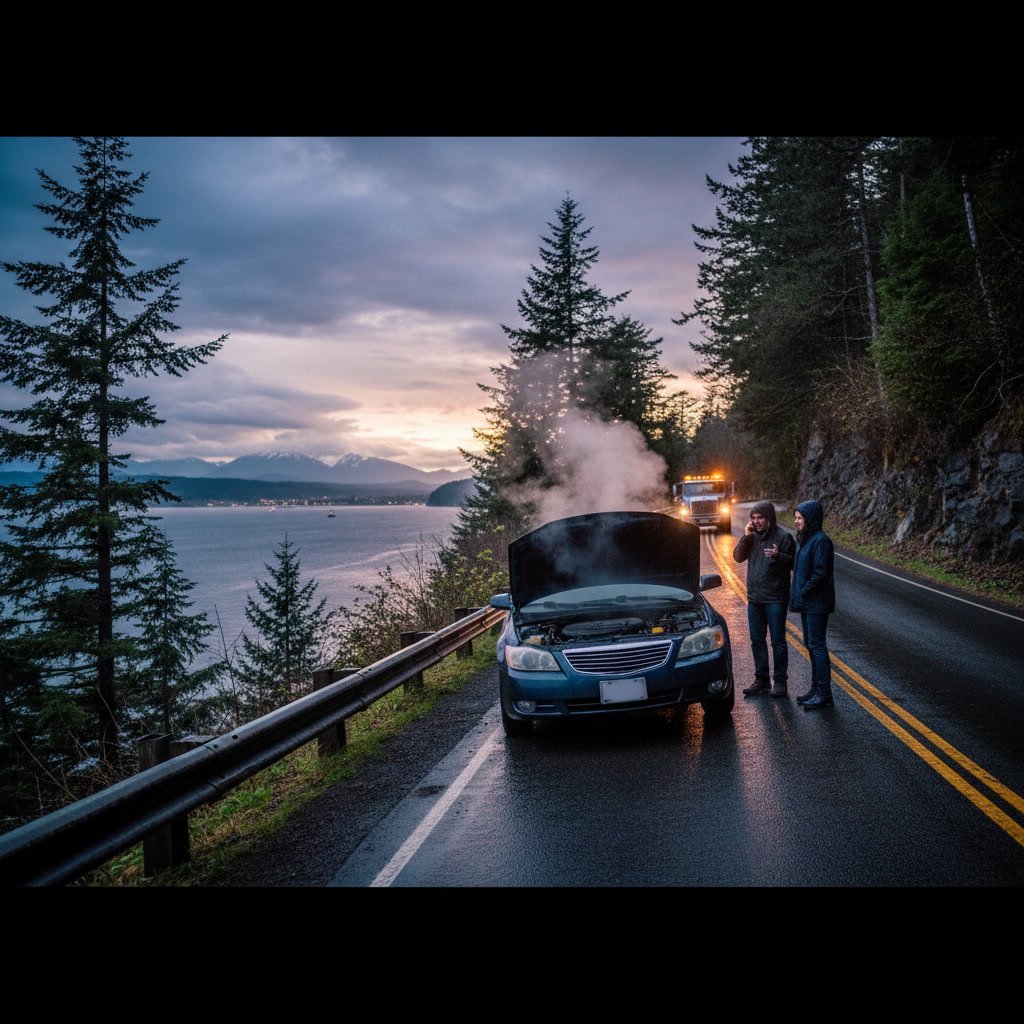
Pull over to a safe location as soon as possible. Never open the radiator cap or coolant reservoir while the engine is hot. The pressurized system can spray boiling coolant and cause severe burns. Let the engine cool for at least 30 minutes before attempting to check fluid levels. If you’re on a busy highway or in an unsafe area, roadside assistance can reach you quickly and safely.
How to Assess Damage While Waiting for Help
Once the engine has cooled and you’re in a safe location, you can perform a basic assessment. Check the ground under the vehicle for puddles of coolant, which typically appears bright green, orange, or pink. Look for obvious leaks from hoses, especially near clamps and connection points. A large pool of fluid means the cooling system has lost too much to drive safely.
If you can safely open the hood after 30 minutes, visually inspect for burst hoses, disconnected clamps, or a cracked radiator. Do not touch any components, as they remain extremely hot even after cooling. If you see no obvious damage and the coolant reservoir shows adequate fluid levels, you might have experienced a temporary issue like a stuck thermostat that has since opened.
When Driving After Cooling Down Creates More Damage
Many drivers make the mistake of restarting the engine after it cools, seeing normal temperature readings, and assuming the problem has resolved itself. This decision often leads to a second, more severe overheating episode within minutes. If the underlying cause hasn’t been fixed, the engine will overheat again, and the second incident typically causes more damage than the first.
Driving on a compromised cooling system risks warping the cylinder head, which requires machining or replacement costing $1,500 to $3,000. A blown head gasket adds another $1,000 to $2,000 in labor-intensive repairs. In extreme cases, continued operation can score cylinder walls or seize pistons, turning a $200 thermostat replacement into a $5,000 engine rebuild or replacement.
Situations in Seattle Where Towing Is the Only Safe Option
Certain circumstances leave no room for attempting a short drive to a repair shop. If the overheating occurred during stop-and-go traffic on I-5 or SR 520, the cooling system is already working at maximum capacity, and any additional stress will cause immediate failure. If you’re stranded on a bridge, tunnel, or area without a safe shoulder, attempting to limp along creates dangerous conditions for you and other drivers.
When the temperature gauge has been in the red zone for any length of time, internal damage has likely already occurred. Driving further only compounds that damage. If coolant is actively pouring from the vehicle, you cannot maintain safe operating temperatures regardless of how slowly you drive. Professional towing service in Seattle removes the risk and gets your vehicle to a repair facility without additional harm.
Quick Decision Guide for Tow Versus Drive
Use this framework to make a fast, informed decision when facing an overheating situation. Call for a tow if any of these conditions apply: temperature gauge in the red zone for more than one minute, visible steam from the hood, coolant pooling under the vehicle, warning messages on the dashboard, unusual engine noises, or the vehicle is in an unsafe location.
You might attempt a careful drive to the nearest repair shop only if all of these are true: the temperature gauge returned to normal after cooling, you can see no leaks or damage, the coolant reservoir shows adequate fluid, you’re less than two miles from a repair facility, and you have a safe route with minimal traffic. Even then, monitor the gauge constantly and pull over immediately if it begins to climb again.
What Happens During Professional Overheating Recovery
Professional towing services understand that overheated vehicles require specific handling. Flatbed towing is often the safest method, as it avoids putting any additional stress on the drivetrain or cooling system. The driver will ensure the vehicle is properly secured and transported without running the engine.
Experienced operators can also provide immediate assessment and advice. They can check for obvious leaks, estimate the severity of the situation, and recommend whether you need immediate repair shop delivery or if the vehicle can wait until regular business hours. This expertise helps you make cost-effective decisions during a stressful roadside situation similar to other breakdown scenarios where quick judgment matters.
Hidden Costs of Driving on an Overheated Engine
The financial math strongly favors calling for a tow rather than risking additional damage. A standard tow typically costs between $75 and $150 for local distances. Compare that to head gasket replacement at $1,500, cylinder head machining at $800, or complete engine replacement at $4,000 to $7,000.

Insurance considerations also matter. If you continue driving after noticing overheating symptoms and cause engine failure, some policies may deny coverage for the resulting damage, classifying it as negligence rather than a covered mechanical breakdown. Towing costs are often covered under roadside assistance policies or represent a minimal out-of-pocket expense compared to the alternative.
How to Prevent Overheating Emergencies Before They Start
Regular cooling system maintenance dramatically reduces the risk of roadside overheating. Flush and replace coolant every 30,000 miles or according to your manufacturer’s schedule. Inspect hoses and clamps during oil changes, replacing any that show cracks, bulges, or softness. Check coolant levels monthly when the engine is cold.
Watch for early warning signs during normal driving. If the temperature gauge runs higher than usual, even if still in the normal range, have the system inspected. A slight decrease in heater performance during winter can indicate low coolant levels or a failing water pump. Address these symptoms before they become roadside emergencies. If your vehicle has reached the end of its useful life and overheating is just one of many problems, you might consider removal options for non-running vehicles.
Making the Right Call Protects Your Vehicle and Safety
The decision to call for a tow after overheating comes down to risk assessment. Every minute you drive on an overheated engine multiplies the potential damage exponentially. Professional drivers see the aftermath of these decisions regularly, and the pattern is clear: those who stopped immediately and called for help spent hundreds on towing and minor repairs, while those who attempted to drive home spent thousands on engine work.
Your safety matters as much as your repair bill. An engine that fails completely while you’re driving can lose power steering and power brakes, creating a hazardous situation in traffic. Overheating can also lead to fires if coolant contacts extremely hot exhaust components. When in doubt, the conservative choice is always the right one.
Smith Towing provides 24-hour service throughout the greater Seattle area when your vehicle overheats and needs safe transport to a repair facility. Our experienced operators respond quickly and handle your vehicle with the care it deserves. If you’re facing an overheating situation and need immediate assistance, call +18633732644 for fast, professional towing service.