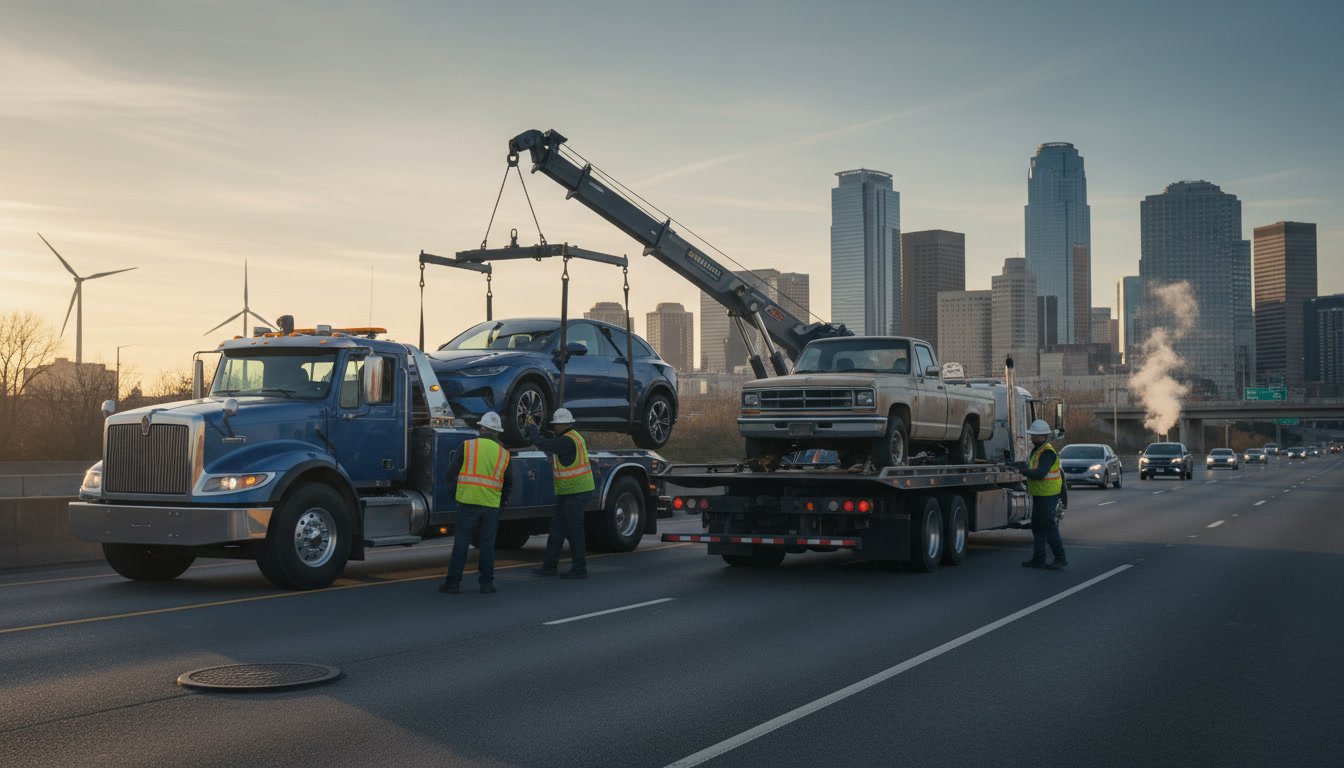
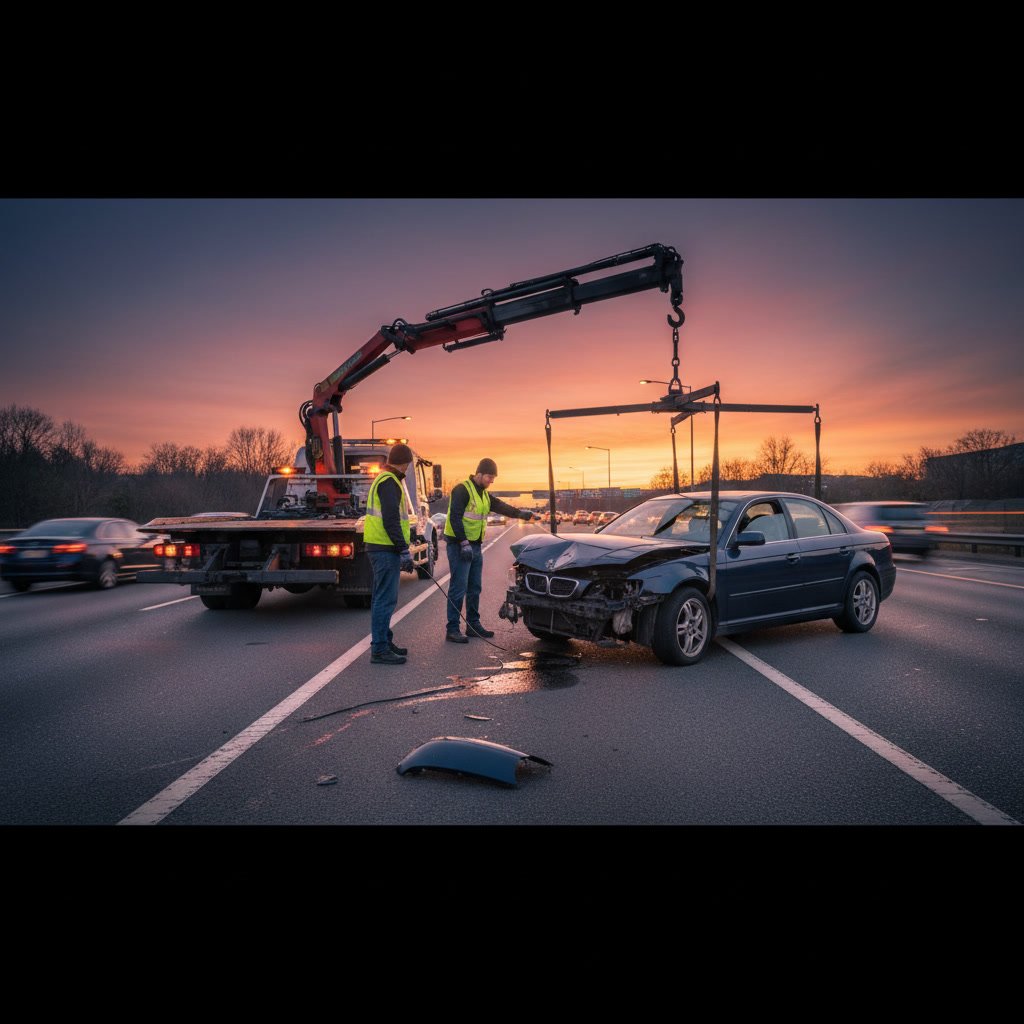
When your vehicle breaks down, the most critical decision is whether your car needs tow service or if you can safely drive it home. Attempting to drive a damaged vehicle can cause thousands of dollars in additional repairs, turn a minor issue into a major failure, or put you and other drivers at risk. Watch for specific warning signs like steam from the hood, puddles of fluid beneath the car, grinding noises, or total loss of power steering or brakes, all of which mean you should stop immediately and arrange for professional help.
Understanding the Risks of Driving a Damaged Vehicle
Many drivers underestimate how quickly a small mechanical problem can escalate. A cracked radiator hose that leaks coolant can cause your engine to overheat in less than five minutes of driving, warping the cylinder head and requiring a repair bill that exceeds the value of some older vehicles. Similarly, driving on a failing transmission can scatter metal shavings throughout the system, contaminating fluid and destroying gears that might have been repairable if you had stopped right away.
The financial impact is just one concern. A vehicle that loses braking power or steering control mid-drive creates immediate danger for you, your passengers, and everyone around you. Even if you feel confident handling the car in its compromised state, unpredictable failures like a tire blowout or sudden engine seizure give you no time to react safely.
Warning Signs That Require Immediate Towing
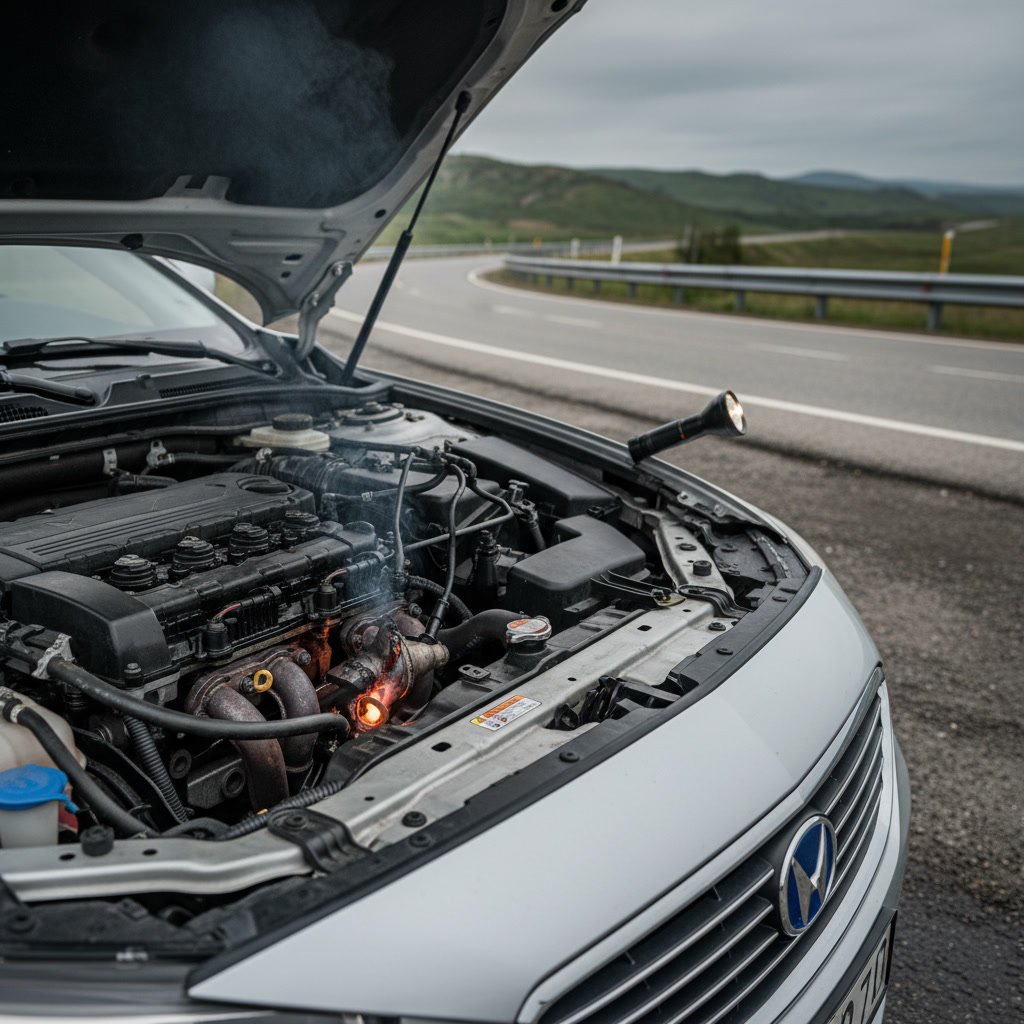
Certain symptoms indicate serious mechanical failure that makes driving unsafe or impossible. If you see steam or smoke coming from under the hood, pull over immediately and turn off the engine. Steam usually means coolant is boiling or leaking onto hot engine components, while smoke can indicate oil burning on the exhaust manifold or, in worst cases, an engine fire starting.
Large puddles of fluid forming beneath your vehicle signal a major leak. Bright green, orange, or pink fluid means coolant. Dark brown or black fluid is likely oil. Red fluid indicates transmission or power steering fluid. If you lose more than a quart of any fluid quickly, continuing to drive will cause permanent damage.
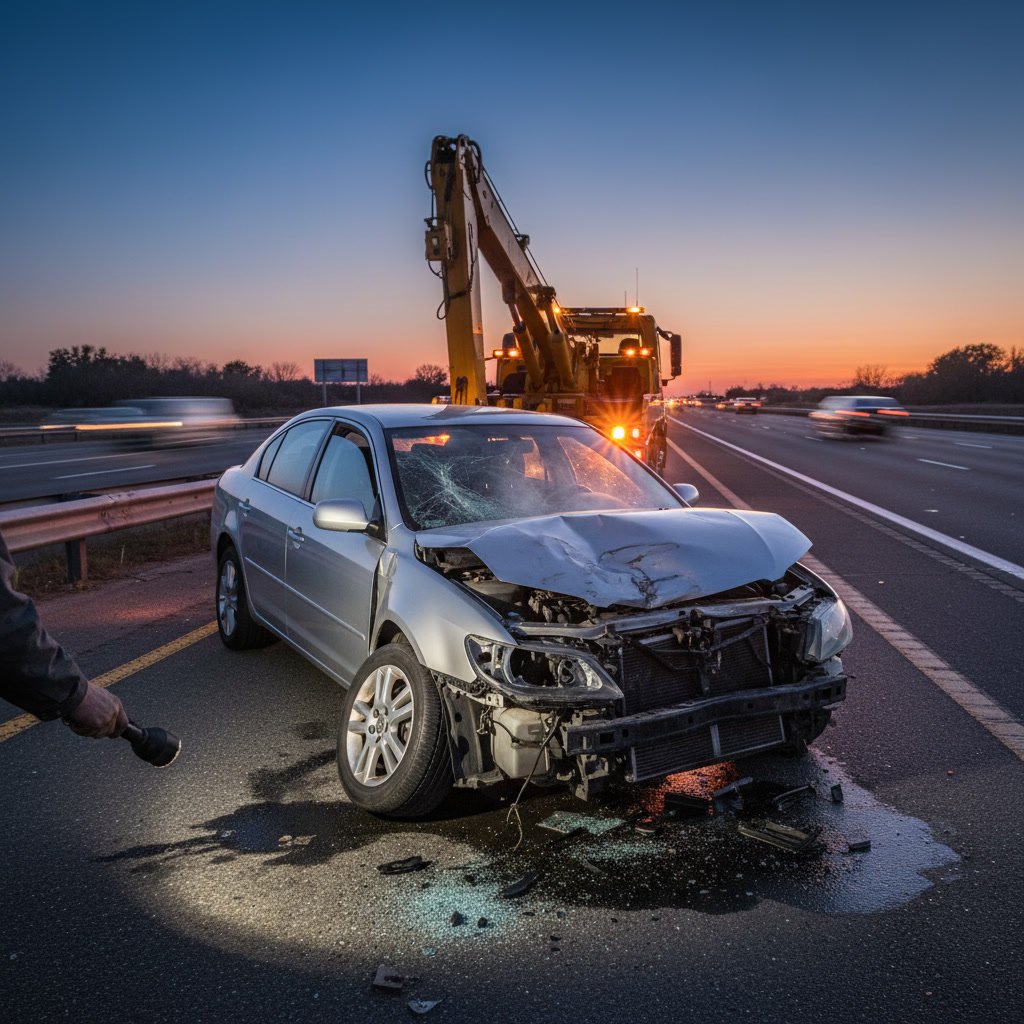
Loud grinding, knocking, or scraping noises from the engine, transmission, or wheels suggest immediate mechanical failure. A rhythmic knocking from the engine often means bearing failure. Grinding when you shift gears points to transmission damage. Metal-on-metal scraping from the wheels could mean brake components have separated or a wheel bearing has collapsed. None of these conditions are safe to drive on.
When Dashboard Warning Lights Mean Stop Now
Modern vehicles use dashboard warning lights to alert you to system failures. Not all warning lights require immediate action, but some demand that you stop driving right away. The oil pressure light, typically shown as an old-fashioned oil can icon, means the engine has lost lubrication. Driving even a short distance without oil pressure can seize the engine completely.
The temperature warning light, usually red and shaped like a thermometer in liquid, means your engine is overheating. This happens when coolant circulation fails due to a broken water pump, burst hose, or failed thermostat. Continuing to drive with this light on will warp the cylinder head, blow the head gasket, or crack the engine block.
The brake system warning light differs from the ABS light. If your main brake warning light illuminates and stays on, you may have lost hydraulic pressure in part of your braking system. Test the pedal gently while still moving slowly. If it feels soft or goes to the floor, arrange for roadside assistance immediately rather than attempting to drive.
Electrical Failures and Battery Issues in Seattle
Complete electrical failure leaves you stranded, but partial electrical problems require judgment. If your battery dies and your vehicle will not start, a jumpstart may get you moving again. However, if the battery keeps dying repeatedly or the alternator warning light stays on after a jump, the charging system has failed. You might make it a few miles on battery power alone before everything shuts down again, potentially in a more dangerous location.
In situations where you are unsure whether the battery will hold enough charge to reach home safely, professional help provides the better option. Experienced technicians can test the charging system on site and give you an accurate assessment. For straightforward battery problems that just need a boost, services like professional jumpstart assistance get you back on the road quickly.
Flat Tires and When You Can Drive on a Spare
A flat tire does not always require towing, but several factors determine whether you can drive on your spare. Full-size spare tires rated for normal driving allow you to continue your trip at regular speeds, though you should still have the flat repaired soon. Compact temporary spares, often called donuts, have strict limitations printed on the sidewall, typically 50 miles maximum distance and 50 mph maximum speed.
If the flat tire has caused additional damage, driving becomes unsafe. Check whether the flat tire has shredded and damaged the wheel well, fender, or brake lines. Look for bent suspension components. If the wheel rim is bent or cracked, even installing the spare may not solve the problem, since the damaged wheel well could rub against the spare tire.
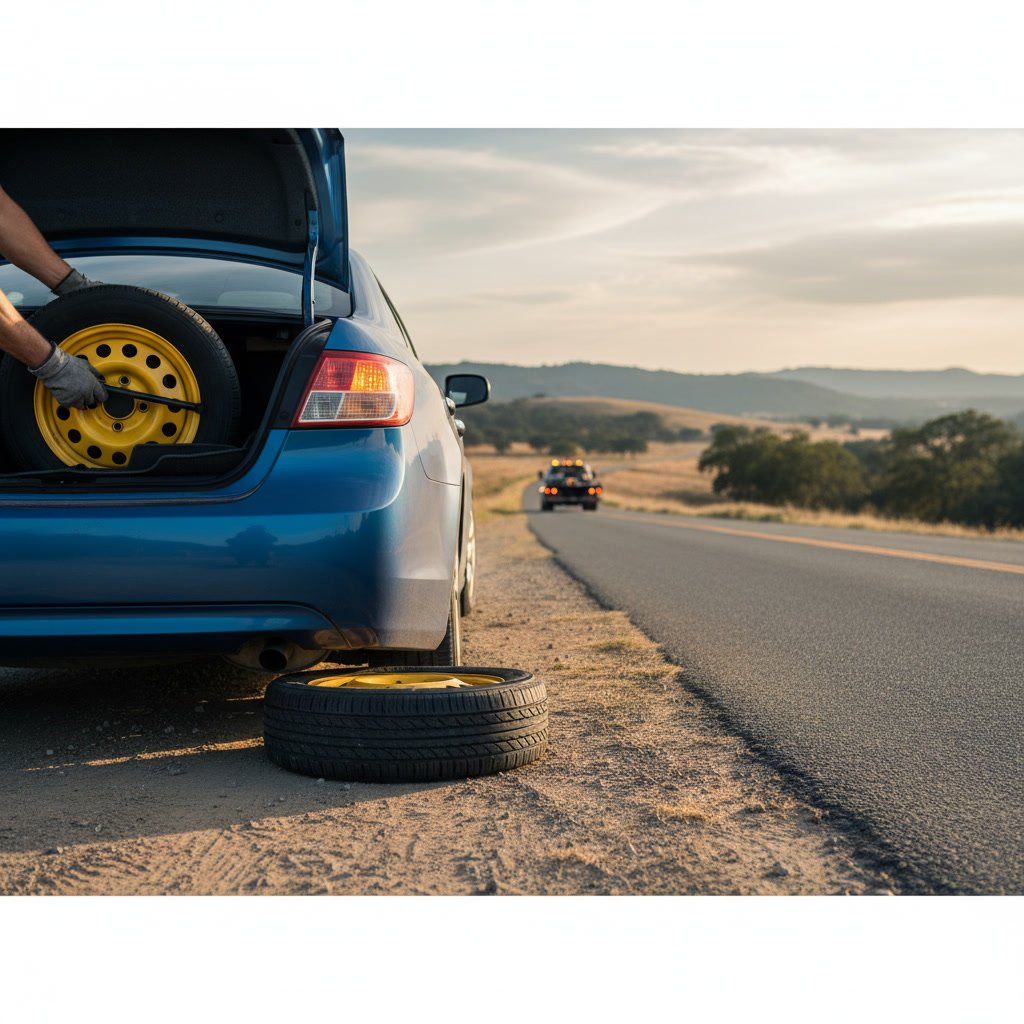
When you have no spare tire, a severely damaged wheel, or uncertainty about your ability to safely change the tire on a busy roadside, calling for help is the right choice. Attempting a tire change on the shoulder of a highway puts you at serious risk from passing traffic.
Transmission Problems and Drivability Limits
Transmission issues range from minor glitches to complete failure. If your transmission slips out of gear while driving, refuses to shift, or makes loud banging noises when changing gears, stop driving. Continuing to operate a failing transmission spreads internal damage throughout the system and can leave you stranded when it finally gives out completely.
Some transmission problems appear less severe but still require caution. If your vehicle shifts roughly or hesitates before engaging, you may be able to drive slowly to a repair facility, but long highway drives or high speeds will accelerate the damage. Manual transmissions that lose clutch pressure or automatic transmissions leaking large amounts of red fluid need immediate professional attention.
For drivers dealing with a vehicle that is beyond economical repair, removing it from your property becomes the next concern. Transmission failure is one of the most common reasons older vehicles become uneconomical to fix, and specialized removal services handle these situations efficiently.
Steering and Suspension Failures
Loss of power steering makes the wheel extremely difficult to turn but does not make the vehicle completely undriveable. If your power steering fails, you can still steer using physical force, though it requires significant effort at low speeds and makes emergency maneuvers nearly impossible. Attempting to drive any distance without power steering is exhausting and unsafe.
More serious steering problems include a loose or disconnected steering linkage, which creates excessive play in the wheel and makes the vehicle wander unpredictably. If you turn the steering wheel and the vehicle does not respond immediately, or if you feel a complete disconnect between the wheel and the road, pull over safely and stop.
Suspension failures often announce themselves with a sudden drop in ride height on one corner of the vehicle, accompanied by a loud pop or clunk. A broken spring or failed strut mount can cause the tire to rub against the body, leading to a blowout. Driving on collapsed suspension damages the wheel, tire, and surrounding components rapidly.
Engine Performance Issues That Allow Limited Driving
Not every engine problem requires an immediate tow. If your engine runs rough, misfires occasionally, or has reduced power but maintains stable temperature and oil pressure, you may be able to drive short distances at low speeds. Keep your speed under 35 mph, avoid highways, and choose routes with minimal hills.
A check engine light without other symptoms often indicates an emissions-related issue rather than immediate mechanical danger. Modern vehicles can operate with minor sensor faults or catalytic converter efficiency below standards. However, if the check engine light flashes rather than staying solid, the engine is misfiring severely enough to damage the catalytic converter. A flashing check engine light means stop driving and arrange for a tow.
Engine stalling presents a difficult judgment call. If the engine stalls once but restarts and runs normally afterward, an electrical glitch or fuel delivery hiccup may have caused it. If the engine stalls repeatedly, loses power gradually, or will not restart, continuing to drive is both impractical and risky.
Making the Decision on the Roadside
When you find yourself pulled over with a mechanical problem, take a systematic approach to your decision. First, ensure you are in a safe location away from traffic. If you have pulled onto a narrow shoulder or remain partially in a travel lane, your priority is getting yourself and passengers to safety, even if that means leaving the vehicle temporarily.
Second, evaluate the symptoms using the guidelines above. Ask yourself whether the problem affects braking, steering, or engine cooling systems. Check for warning lights, unusual noises, fluid leaks, and smoke or steam. If any critical system has failed, the decision is clear.
Third, consider your location and distance to home or a repair facility. A problem that might be drivable for two miles becomes unacceptable for a 20-mile trip. Factor in traffic conditions, road types, and weather. Stop-and-go traffic in summer heat stresses a marginal cooling system far more than highway cruising in cool weather.
Professional Assessment and Peace of Mind
The true expert insight that separates experienced drivers from those learning hard lessons is this: uncertainty means stop. If you cannot confidently identify the problem and know that driving will not make it worse, professional assessment protects both your safety and your wallet. A tow bill of 75 to 150 dollars is minor compared to engine replacement or the cost of a collision caused by mechanical failure.
Professional towing services transport your vehicle safely to your home or a repair facility of your choice. Reputable companies offer flatbed towing that prevents any additional wear on damaged drivetrains, and experienced operators understand how to handle vehicles with steering, brake, or transmission problems. When minutes matter and you need reliable help, having a trusted provider makes all the difference.
Getting Back on the Road Safely
Mechanical breakdowns happen to every driver eventually, but knowing how to respond protects you from worse outcomes. The warning signs covered here give you a framework for making smart decisions under stress. Watch for critical failures in braking, steering, cooling, and lubrication systems. Pay attention to dashboard warnings and unusual symptoms. When in doubt, choose caution over convenience.
Smith Towing provides fast, professional towing and roadside assistance throughout the Seattle area. Whether you need a tow to a repair shop, a jumpstart to get moving again, or help with a flat tire, experienced operators are ready to assist. Call +18633732644 anytime for reliable service that gets you out of a difficult situation and back to what matters.