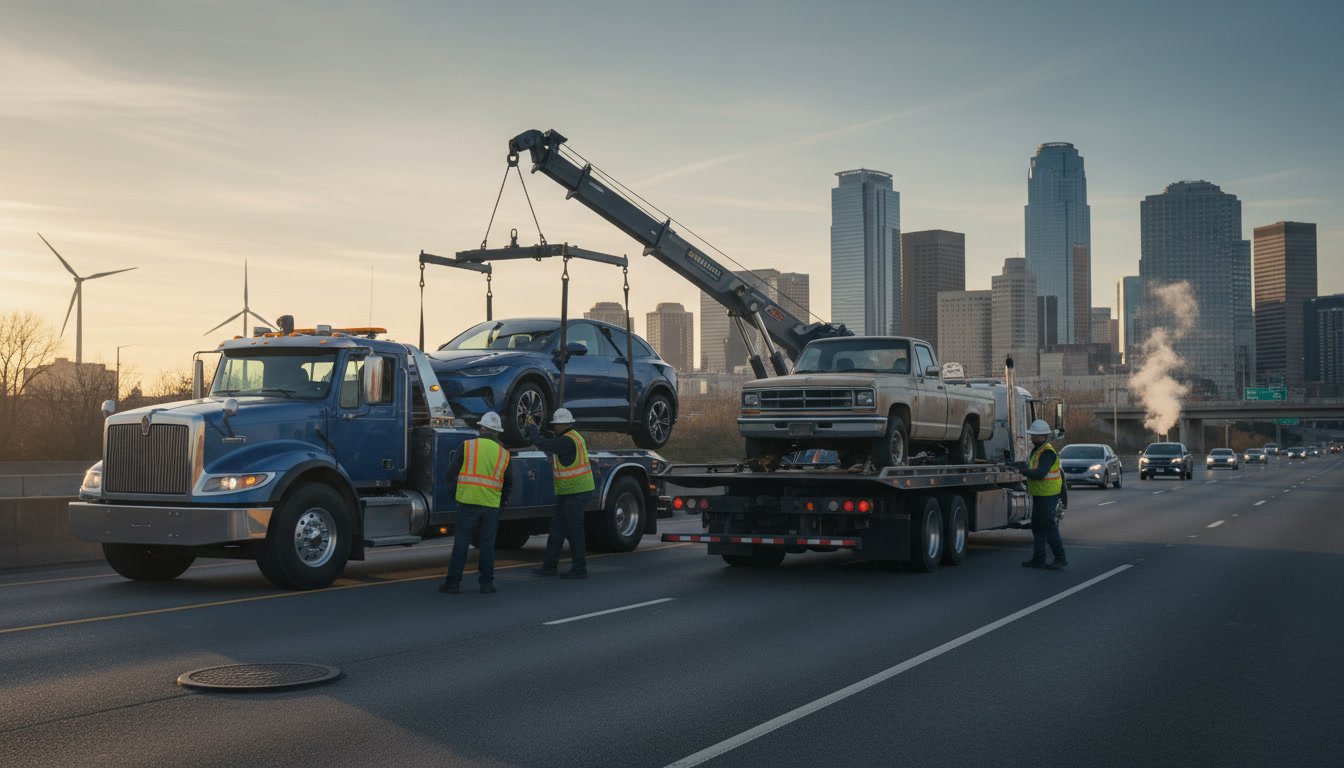

When a tow truck arrives at your location, the driver performs a vehicle assessment, verifies your service details, secures your car using the appropriate equipment, and transports it safely to your chosen destination. The entire process typically takes 15 to 30 minutes from arrival to departure, depending on your vehicle type and the situation. Professional drivers follow strict safety protocols to protect both your vehicle and surrounding traffic during the hookup and loading process.
Vehicle breakdowns and accidents create stressful situations where knowing what to expect can ease anxiety. Many drivers have never needed emergency towing and feel uncertain about the process once help is on the way. Understanding each step the tow operator takes helps you prepare properly and ensures smooth communication when assistance reaches you.
Why Professional Tow Operators Follow a Standard Arrival Protocol
Tow truck drivers follow established procedures to ensure safety, efficiency, and vehicle protection. These protocols exist because improper hookup techniques can damage transmissions, suspension systems, and body panels. Insurance requirements and industry standards mandate specific steps that licensed operators must complete before moving any disabled vehicle.
Standard procedures also protect the driver and bystander safety. Roadside environments present serious hazards, including fast-moving traffic, poor visibility conditions, and unstable vehicle positions. A systematic approach reduces risk and ensures nothing gets overlooked during what can be a rushed or chaotic scene.
Initial Assessment When the Driver Reaches Your Location in Seattle
The first action any professional takes is positioning the tow truck safely with emergency lights activated. The driver then approaches your vehicle to introduce themselves, confirm your identity, and verify the service request details. This confirmation step prevents mix-ups and ensures the correct vehicle receives service.
Next comes a walk-around inspection. The operator checks your vehicle’s condition, notes existing damage, examines tire positions, and identifies the drive type. All-wheel-drive and four-wheel-drive vehicles require different handling than front-wheel-drive cars. The driver also looks for fluid leaks, deployed airbags, or structural damage that might affect loading methods.

This assessment determines which towing method works best. Flatbed transport protects luxury vehicles and cars with extensive damage, while wheel-lift or dolly systems suit many standard situations. Smith Towing operators match equipment to vehicle needs rather than using a one-size-fits-all approach.
Documentation and Authorization Before Any Work Begins
Professional drivers document the vehicle condition through photos and written notes. This record protects both you and the towing company by establishing the car’s state before transport. Some operators use mobile apps that timestamp and GPS-tag these images for insurance purposes.
You will need to sign authorization forms before the vehicle moves. These documents confirm you requested the service and accept responsibility for payment. If the car belongs to someone else or you arranged service for another driver, additional verification may be needed. Law enforcement or property owners sometimes request tows, which involve different paperwork procedures.
How Drivers Secure Your Vehicle for Safe Transport
Once authorization is complete, the operator positions the tow truck precisely. Alignment matters because even small angles can stress mounting points or cause the vehicle to shift during loading. The driver may ask you to put the car in neutral and release the parking brake, or they may access these controls themselves if the vehicle won’t start.
For wheel-lift towing, the operator slides the lift mechanism under the drive wheels, then raises and secures them with safety chains and straps. Flatbed loading involves extending ramps, winching the vehicle onto the bed, and anchoring it at multiple points. Professional drivers never rely on a single attachment point because redundant securing prevents movement if one strap or chain fails.
The securing process includes checking that the steering wheel is locked or secured if the front wheels remain on the ground. Unsecured steering can cause the vehicle to veer during transport, creating dangerous situations. Operators also verify that all doors are closed and that no loose items will fall out during the drive.
What Questions You Should Ask Before Departure
This is the right time to confirm your destination. Whether you need transport to a repair shop, your home, or a storage facility, make sure the driver has the correct address. Miscommunication about destination causes delays and extra charges.
Ask about estimated transport time and whether you can ride in the tow truck. Most operators allow passengers if the vehicle seats enough people safely, but policies vary. If you cannot ride along, confirm how you will retrieve personal belongings from your car once it reaches the destination.

Clarify payment terms before leaving the scene. Some services require payment upon arrival, while others bill after delivery. Knowing the total cost and accepted payment methods prevents surprises. Roadside assistance packages sometimes cover towing costs, so mention any memberships or insurance coverage you hold.
Step by Step Loading Process for Different Vehicle Types
Standard passenger cars with front-wheel drive typically load quickly using wheel-lift systems. The operator lifts the drive wheels, leaving the non-drive wheels on the ground. This method works well for short to medium distance tows on vehicles without transmission issues.
All-wheel-drive and four-wheel-drive vehicles require flatbed transport or the use of dollies under the rear wheels. Towing these vehicles with any wheels on the ground can destroy the drivetrain within a few miles. Professional operators know these requirements and bring appropriate equipment.
Luxury vehicles, classics, and cars with severe front-end damage also demand flatbed service. The entire vehicle rests on the bed, eliminating road contact and protecting expensive components. This method takes slightly longer to set up but provides maximum protection during transport.
Safety Checks Operators Perform Before Driving Away
Before pulling onto the road, the driver walks around the entire setup one final time. This safety circle verifies that all straps are tight, chains are secure, lights function properly, and nothing obstructs the tow truck’s visibility. Experienced operators know that equipment can shift during the initial hookup, so this redundant check catches problems before they cause accidents.
The driver also confirms that emergency flashers work if the towed vehicle will remain partially visible behind the truck. Proper lighting prevents rear-end collisions and keeps other motorists aware of the wide or unusual load.
What Happens During Transport to Your Destination
Professional drivers avoid sudden stops, sharp turns, and excessive speed while transporting your vehicle. Smooth driving protects both the towed car and the tow truck from stress and damage. Routes are chosen to minimize rough roads when possible, especially for vehicles already suffering mechanical problems.
Operators monitor the load continuously through mirrors and occasionally stop to recheck security on longer trips. If anything shifts or loosens, they address it immediately rather than risking damage or a roadside emergency. This attention to detail separates professional services from inexperienced operators.

Communication matters during transport. If the destination changes or the driver encounters road closures, they contact you for instructions. Smith Towing drivers keep customers informed about delays or route changes rather than making assumptions.
Unloading and Final Inspection at the Drop Off Location
Upon arrival, the driver positions the tow truck for safe unloading. This may involve backing into a driveway or parking in a way that allows clear access for lowering the vehicle. The unloading process reverses the loading steps, with the same attention to safety and vehicle protection.
Once your car is on the ground, the operator performs a final walk-around to ensure no new damage occurred during transport. You should inspect the vehicle as well and report any concerns immediately. Reputable companies address legitimate damage claims, but issues are far easier to resolve when documented at delivery rather than days later.
The driver provides you with paperwork that includes pickup and delivery times, mileage if applicable, and a final invoice. Keep these documents for your records, especially if you plan to submit costs to insurance or a roadside assistance program. Understanding how to choose a reliable towing service helps ensure you work with professionals who follow these standards consistently.
Common Variations Based on Emergency Type
Accident scenes involve additional steps. Drivers coordinate with law enforcement, document vehicle positions for reports, and sometimes clear debris from the roadway. These situations take longer because safety and legal requirements add complexity.
Breakdown scenarios on highways require extra caution. The driver positions the tow truck to shield you and your vehicle from traffic while working. You may be asked to wait in a safer location away from the roadside during the hookup process. If you are unsure whether your situation requires a tow or simpler assistance, resources like determining if you need a tow truck or just roadside help can guide your decision.
Private property removals follow different protocols. The towing company verifies authorization from the property owner or manager before touching the vehicle. This prevents legal disputes and ensures the operator has the right to remove the car.
Getting Back on the Road After Emergency Towing
Once your vehicle reaches its destination, your next steps depend on the situation. Cars towed to repair shops wait for diagnosis and estimates. Vehicles brought home may need parts ordered or further evaluation. Understanding the full process reduces uncertainty during stressful roadside emergencies.
Knowing what professional operators do from arrival through delivery helps you prepare properly and communicate effectively. The right towing service follows these protocols every time, protecting your vehicle and ensuring your safety throughout the process. When you need dependable emergency service that follows industry best practices, reach out to a provider with established procedures and trained drivers.
If you need emergency towing or roadside support anywhere in the Seattle area, contact +18633732644 for fast, professional assistance that puts your vehicle’s safety first.