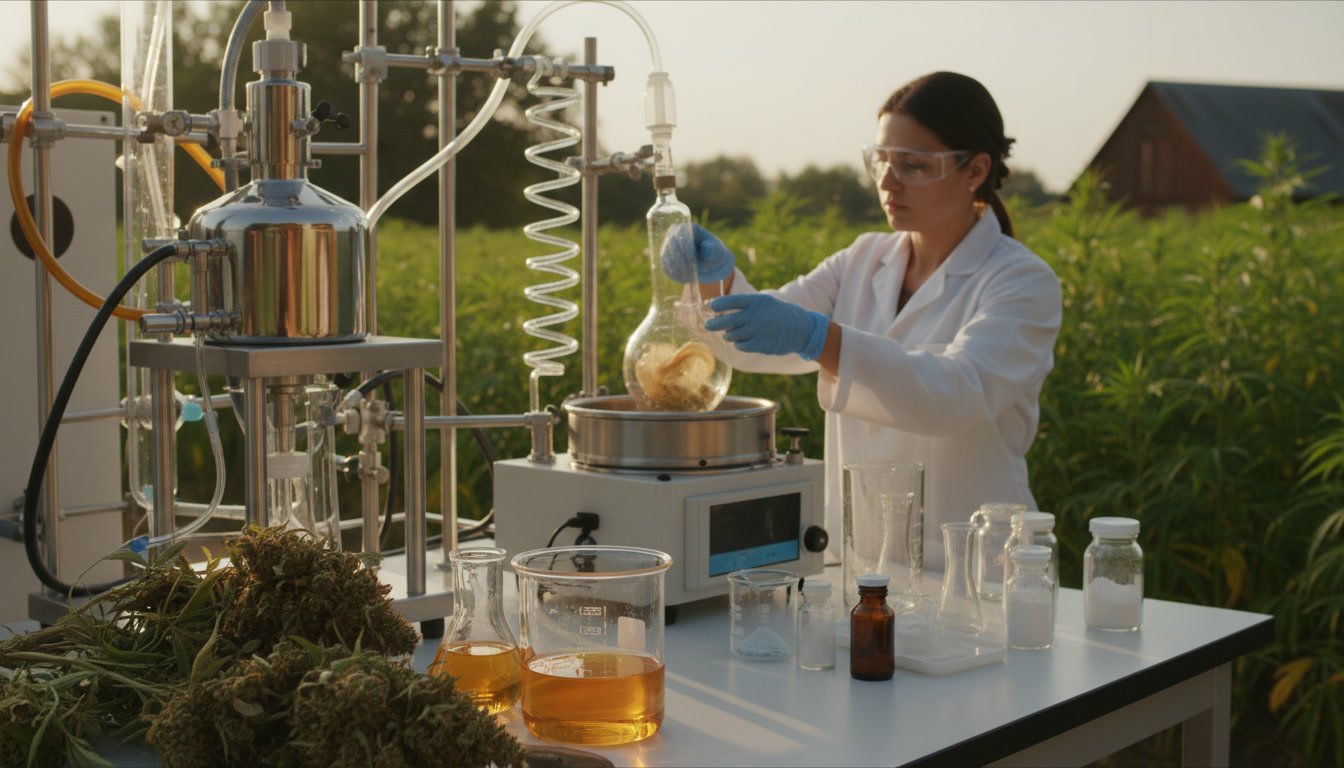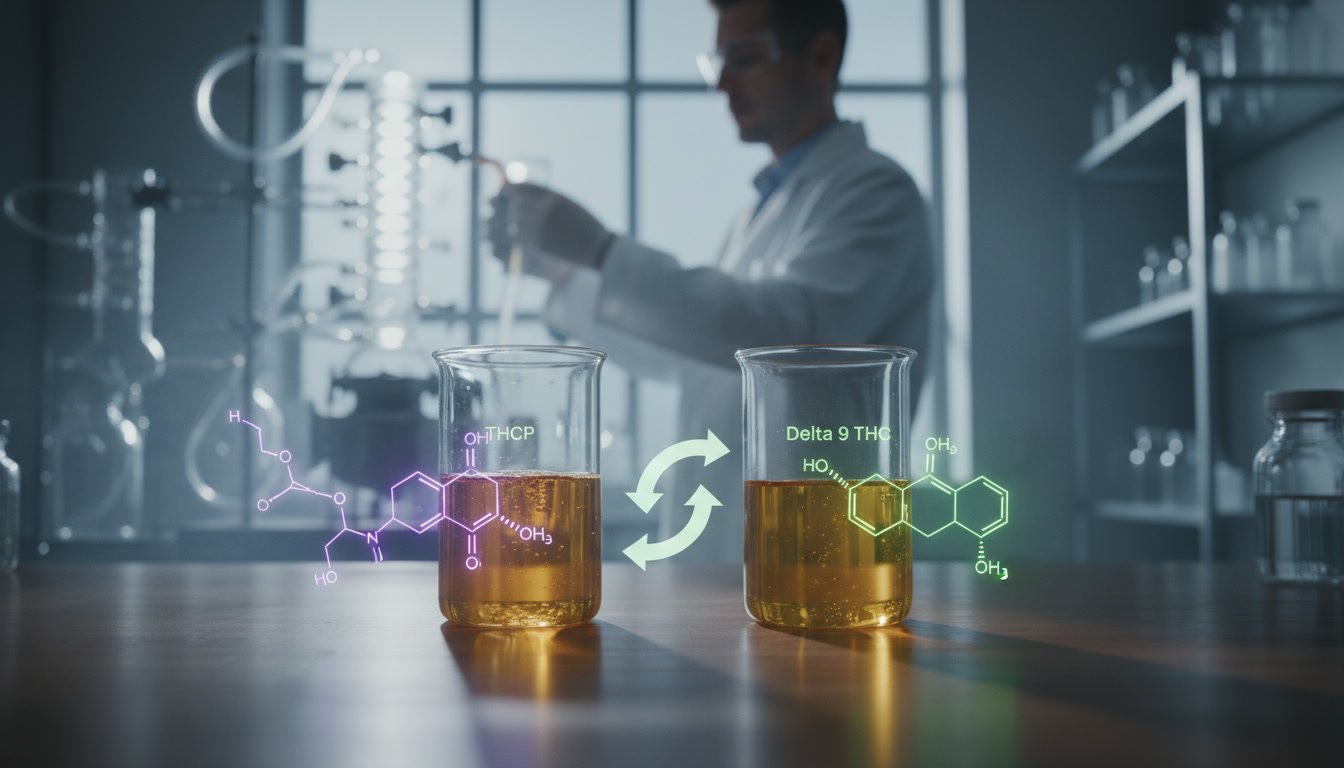
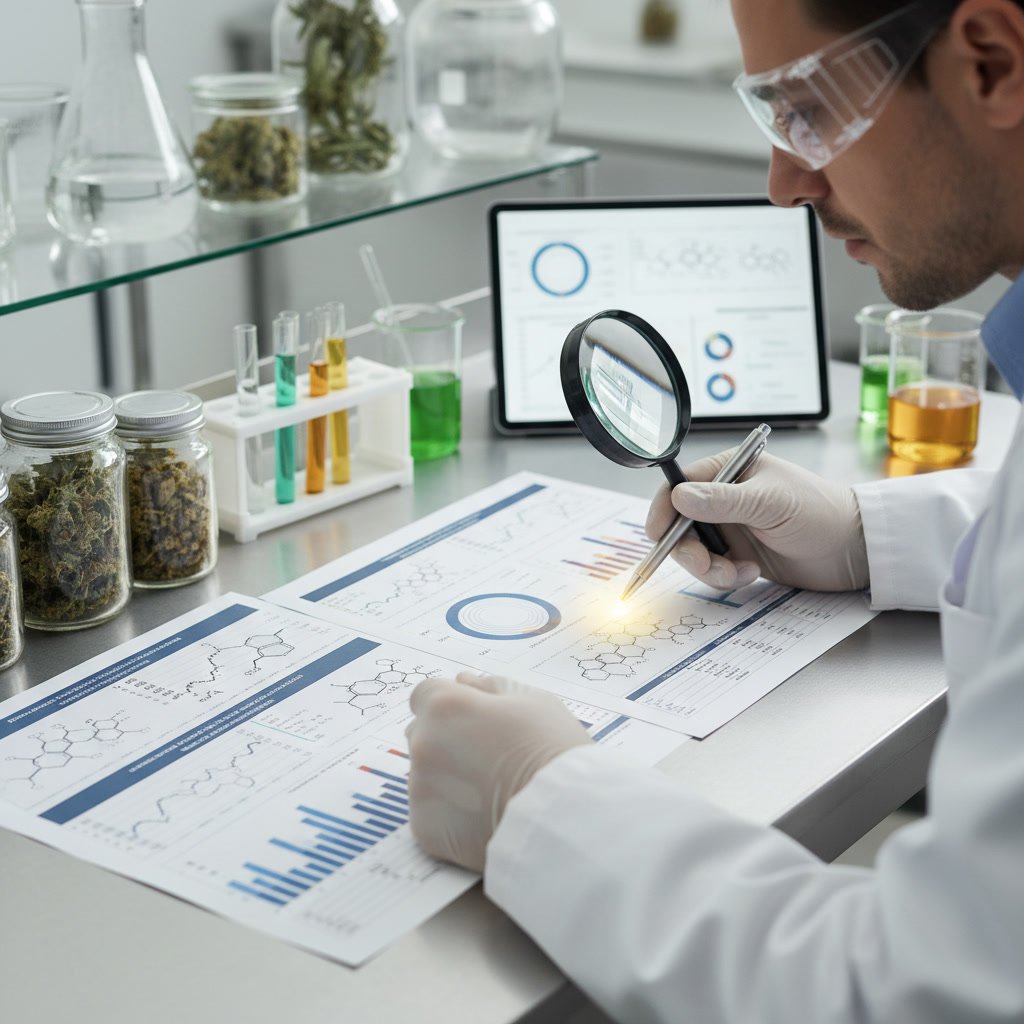
A Certificate of Analysis, or COA, is the safety passport every cannabis product should carry. When you read cannabis lab reports, you verify that a product has been independently tested for potency, purity, and contaminants by a third-party laboratory. These documents tell you exactly how much THC or CBD is in a product, whether it contains heavy metals, pesticides, or mold, and if the terpene profile matches what the label claims. Understanding a COA protects your health and helps you make informed decisions in a largely unregulated market.
Why Lab Testing Matters for Cannabis Products
Lab testing provides accountability in an industry where regulations vary by state and product type. Unlike pharmaceuticals, hemp-derived cannabis products do not always undergo FDA review, leaving consumers vulnerable to inaccurate labels and unsafe ingredients. Third-party laboratories use instruments like high-performance liquid chromatography and mass spectrometry to measure cannabinoid concentrations, screen for pesticides, and detect mycotoxins from mold. This independent verification is the only way to confirm that what you buy matches what the manufacturer claims.
Without testing, a gummy labeled 25 mg of Delta 9 could contain zero active ingredients or dangerously high levels that exceed legal limits. A cannabis vape cartridge could be contaminated with residual solvents from the extraction process. Lab reports reveal these risks before you consume the product.
What a Certificate of Analysis Looks Like
A standard COA is typically a one to two page PDF document issued by an accredited testing facility. At the top, you will see the lab’s name, address, and license number, along with the date of testing and a unique batch or sample ID. The product name, brand, and manufacturer details appear next, followed by sections for cannabinoid potency, terpene analysis, and contaminant screening. Some labs include a QR code that links back to their online database, allowing you to verify authenticity.
Each section displays results in specific units: cannabinoids in milligrams per gram or percentage by weight, terpenes in milligrams per gram, and contaminants in parts per million or parts per billion. Pass or fail indicators show whether the product meets state safety thresholds for pesticides, heavy metals, residual solvents, and microbial contamination.

Understanding Cannabinoid Potency Results
The cannabinoid panel is the most referenced section of a COA because it reveals how much THC, CBD, CBG, CBN, and other compounds are present. Results appear as a percentage or milligrams per gram, with separate columns for the acidic precursors like THCA and CBDA and the activated forms like THC and CBD. The total cannabinoid content accounts for both forms using a conversion formula, since heat converts THCA to THC during consumption.
If a flower sample shows 18 percent total THC, that includes both the activated and potential THC from THCA. Edibles and tinctures should list activated cannabinoids because they are already processed. A major red flag is when total cannabinoids exceed 100 percent by weight, which is mathematically impossible and indicates lab error or fraudulent reporting. Similarly, if a product labeled 10 mg per gummy shows only 3 mg on the COA, you are not getting what you paid for.
Decoding Terpene Profiles and Their Impact
Terpenes are aromatic compounds that influence flavor, scent, and effects. A COA terpene panel lists individual terpenes like myrcene, limonene, pinene, and caryophyllene in milligrams per gram. Some labs report only the top five to ten terpenes, while comprehensive panels may include 30 or more. Total terpene content is the sum of all detected compounds and typically ranges from one to three percent in quality flower or concentrates.
Terpenes work synergistically with cannabinoids to shape the overall experience, a phenomenon known as the entourage effect. For instance, myrcene is associated with sedative properties, while limonene may promote alertness. If you’re interested in how specific terpenes influence your experience beyond just THC levels, our guide on how terpenes shape cannabis effects beyond THC percentage provides a deeper look at this interaction.
Step-by-Step Guide to Checking Contaminant Panels in LaBelle
Contaminant screening is the safety backbone of a COA. This section confirms whether a product is free from harmful substances that can accumulate during cultivation, processing, or packaging. Follow these steps to evaluate contaminant results.
Step one: Look for the pesticide panel. Labs test for dozens of common agricultural chemicals. Each pesticide should show a result well below the state action limit, typically measured in parts per million. A pass means none exceeded the threshold.
Step two: Review heavy metals. Lead, arsenic, cadmium, and mercury can leach into plants from soil or water. Safe levels are measured in parts per billion. Any detection above the action limit is an automatic fail.
Step three: Check residual solvents. Extracts made with butane, ethanol, or propane must be purged to remove these chemicals. The COA should list each solvent tested and confirm levels below regulatory limits.
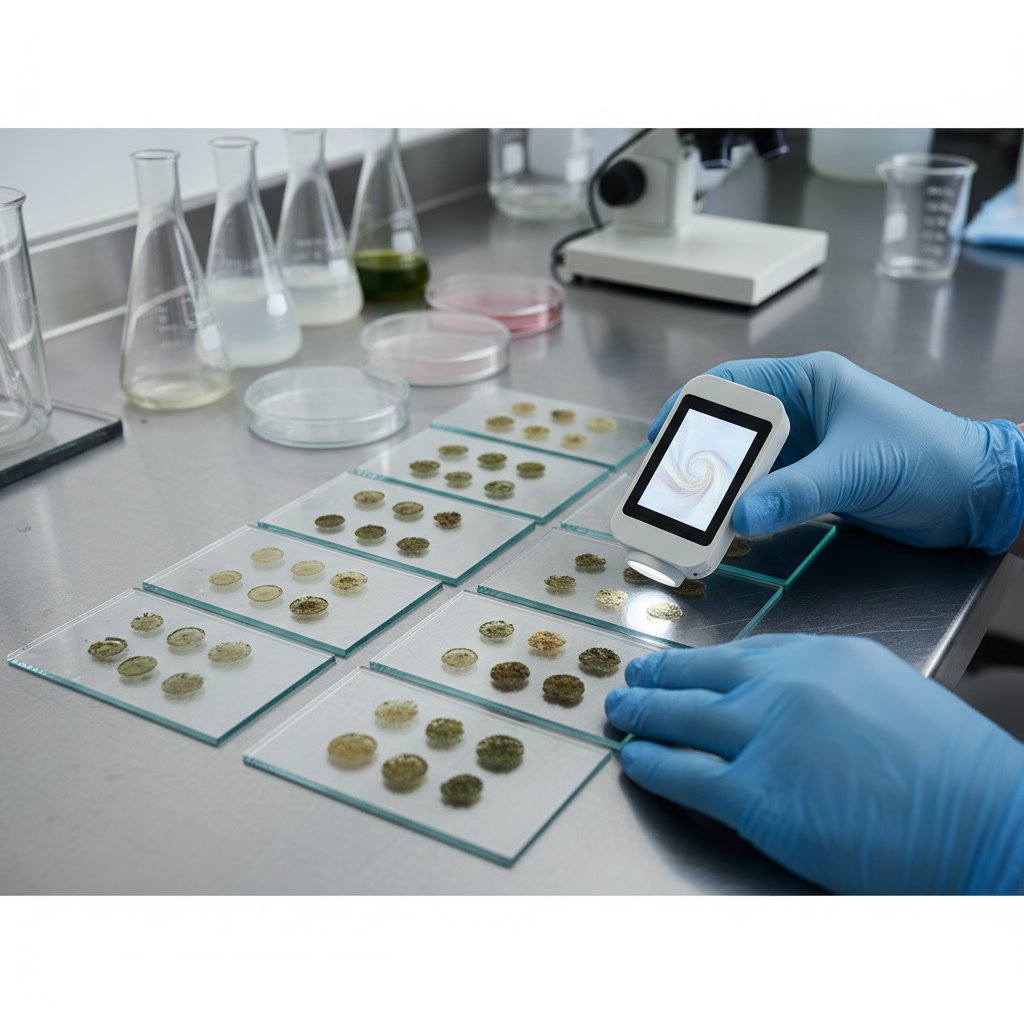
Step four: Examine microbial testing. This includes total yeast and mold count, E. coli, salmonella, and aspergillus. A pass indicates the product is free from dangerous pathogens.
At Kush Kingdom LLC in LaBelle, every product on the shelf has passed these rigorous screenings. We verify lab reports before stocking any item to ensure customers have access to compliant, tested options.
Red Flags That Indicate a Fake or Altered COA
Not every lab report circulating online or displayed in stores is legitimate. Some manufacturers alter results, use outdated reports, or create fake COAs to bypass scrutiny. Watch for these warning signs.
First, check the date. A COA older than six months may not reflect the current batch, especially if the product is produced in large ongoing runs. Batch numbers on the COA should match the packaging exactly. A mismatch suggests the report was borrowed from a different production run.
Second, verify the lab’s accreditation. Reputable labs hold ISO 17025 certification, which ensures they meet international standards for testing and calibration. You can cross-reference the lab’s name and license number with your state’s cannabis regulatory agency.
Third, look for implausibly perfect results. If every single cannabinoid and terpene result is a round number, or if a product consistently tests at exactly the labeled dose across multiple batches, the data may be fabricated. Real lab results include minor variances due to natural biological differences.
What to Look for in THC and CBD Ratios
The ratio of THC to CBD affects both the intensity and character of the experience. High-THC, low-CBD products produce stronger psychoactive effects, while balanced ratios or CBD-dominant formulas offer therapeutic benefits with minimal intoxication. A COA reveals the exact ratio, allowing you to choose products that match your tolerance and goals.
For example, a 1:1 ratio might show 10 mg of THC and 10 mg of CBD per serving, ideal for users seeking mild relaxation without overwhelming euphoria. A 20:1 ratio, common in recreational products, delivers a potent THC experience with minimal CBD modulation. If you are new to edibles and want to understand proper dosing based on cannabinoid content, our article on the best THC edibles for beginners in LaBelle with dosage and brand recommendations offers practical guidance.
How to Verify a COA Online and Spot Batch Mismatches
Most legitimate labs host a public database where you can search for COAs by batch number or QR code. This independent verification ensures the document has not been tampered with. Scan the QR code on your product packaging with a smartphone. It should direct you to the lab’s website, not the brand’s site, and display the exact COA that corresponds to your batch.
Compare the batch number printed on your product label with the one on the COA. If they do not match, contact the retailer or manufacturer for clarification. Some brands update their COAs regularly and post them on their websites, but relying solely on brand-hosted reports without third-party confirmation opens the door to manipulation. Always seek the original lab source when possible.
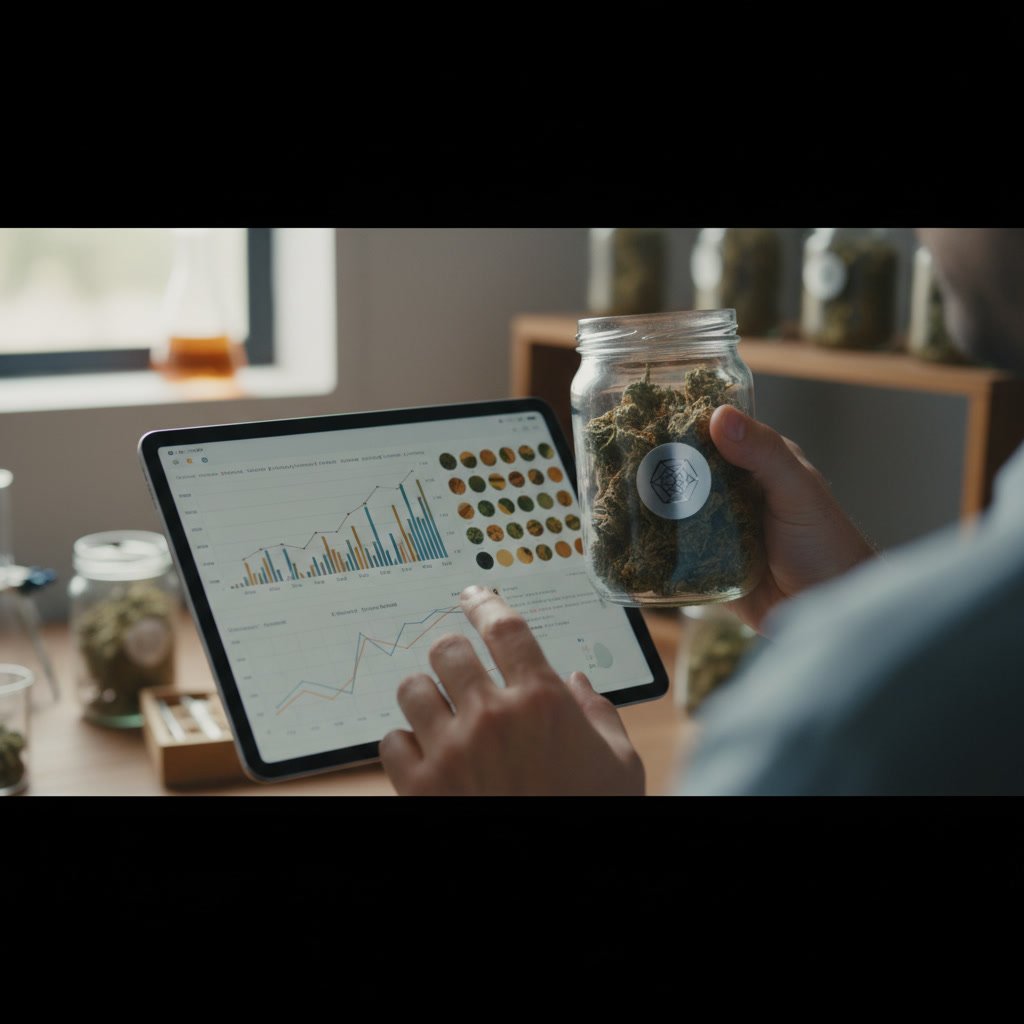
The Role of Accredited Labs in Consumer Safety
Accreditation separates credible testing facilities from labs that cut corners. ISO 17025 is the gold standard, requiring laboratories to demonstrate technical competence, equipment calibration, and quality control procedures. State cannabis regulatory agencies often maintain lists of approved labs, and any facility performing official compliance testing must hold the appropriate license.
Accredited labs participate in proficiency testing programs where blind samples are sent to multiple facilities to compare results. Consistent performance across these trials proves a lab’s reliability. When a COA comes from an accredited, state-licensed lab, you have reasonable confidence that the data reflects reality. Avoid products that lack lab testing entirely or use in-house testing without third-party oversight, as these practices create conflicts of interest.
What Dispensaries and Retailers Should Provide
Responsible retailers display COAs prominently, either on product packaging, in binders at the counter, or via QR codes on shelf tags. Staff should be trained to explain key sections of a lab report and help customers interpret results. When you visit a shop, ask to see the COA before purchasing. If the staff cannot produce one or dismisses your request, consider shopping elsewhere.
Transparency is not optional. At Kush Kingdom LLC, we built our reputation on providing honest guidance and trustworthy information. Every product we carry has been researched, tested, and verified to meet compliance standards, so customers can shop with confidence. Whether you are exploring options for pain management or simply want to know what you are consuming, we make lab reports accessible and understandable.
Why Lab Reports Protect You Beyond Legal Compliance
Lab testing is not just about following the law. It protects your health by identifying contaminants that can cause acute illness or long-term harm. Pesticides can trigger allergic reactions or respiratory issues. Heavy metals accumulate in the body over time, leading to neurological and organ damage. Residual solvents can irritate the lungs or cause chemical burns. Microbial contamination poses serious risks for individuals with compromised immune systems.
Even in states with strict regulations, enforcement varies, and some products slip through the cracks. By learning to read and verify COAs yourself, you take control of your safety. This skill is especially important if you use cannabis for medical purposes, where consistent dosing and purity are critical. Just as patients managing pain with natural alternatives need reliable information, as discussed in our post on the best kratom strains for pain relief in Port LaBelle, cannabis consumers deserve the same level of transparency and quality assurance.
Making Informed Choices with Confidence
Understanding how to read cannabis lab reports empowers you to select products that are safe, effective, and accurately labeled. A thorough COA provides cannabinoid potency, terpene profiles, and comprehensive contaminant screening, all verified by an accredited third-party laboratory. By checking batch numbers, verifying lab credentials, and recognizing red flags, you protect yourself from substandard or dangerous products. The time invested in reviewing a COA is a small price for peace of mind and a better overall experience.
If you are in LaBelle or the surrounding areas and want access to rigorously tested cannabis, hemp, and wellness products, Kush Kingdom LLC is here to help. Our team carefully vets every item we stock, ensuring it meets the highest standards for quality and compliance. Whether you have questions about a specific lab report or need guidance choosing the right product for your needs, give us a call at +18633732644 or stop by our location on West Hickpochee Ave. We are committed to providing the honest, knowledgeable service you deserve.