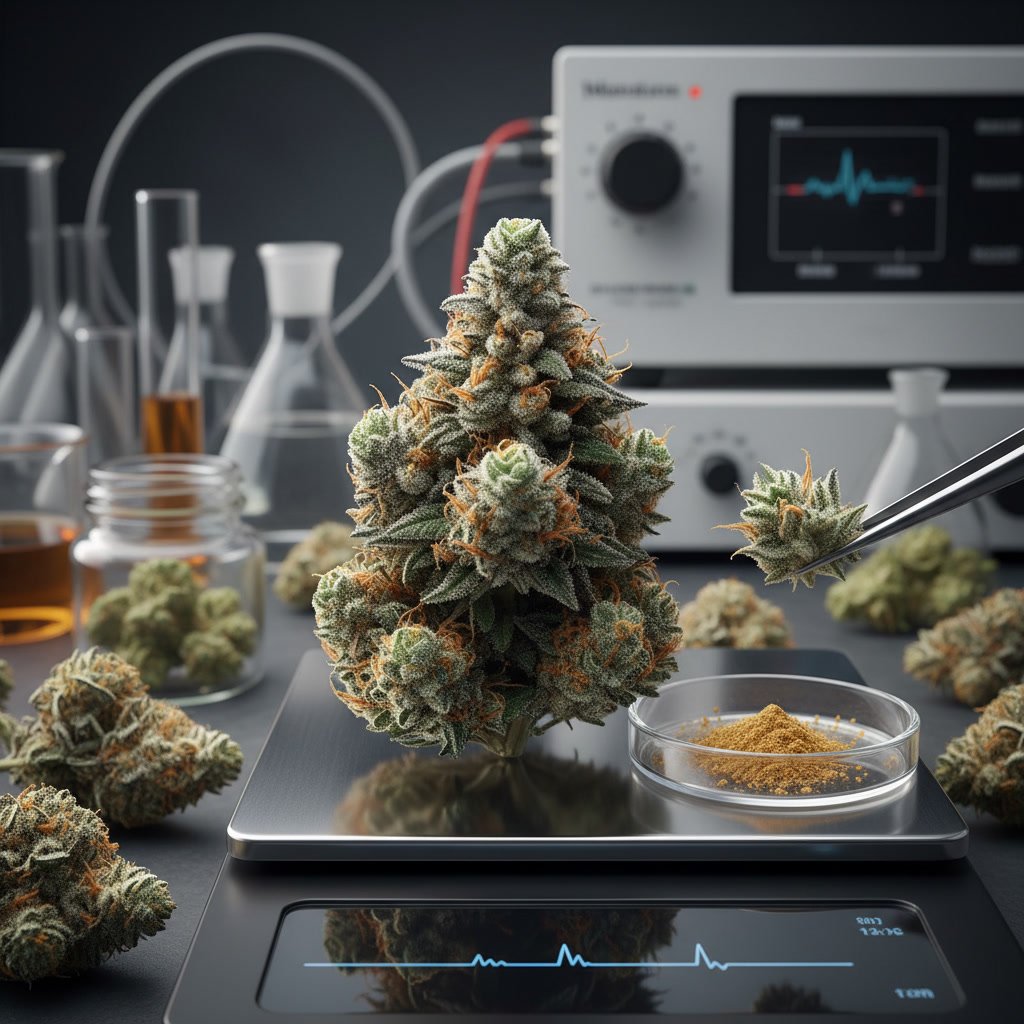
Cannabis flower potency is measured through laboratory testing that quantifies cannabinoid concentrations, primarily THC and CBD, expressed as percentages by dry weight. A flower labeled 20% THC contains 200 milligrams of THC per gram of dried flower. These numbers help consumers estimate dosage and expected effects, but potency alone does not determine quality or how a product will make you feel.
Why Understanding Potency Matters for Cannabis Users
Knowing how to interpret potency labels protects you from taking too much or too little. For new users, high-THC products can cause anxiety or discomfort. For experienced consumers, understanding potency helps calculate accurate doses and manage tolerance. Reading these numbers correctly also reveals whether a product has been tested at all, which matters for safety and compliance.
Many first-time buyers assume higher percentages always mean better products. That is not true. A 15% flower with a rich terpene profile often delivers a more enjoyable experience than a 30% flower with harsh effects. Cannabis quality depends on cultivation, curing, terpene content, and cannabinoid balance, not just THC numbers.
How Labs Test Cannabis for Cannabinoid Content
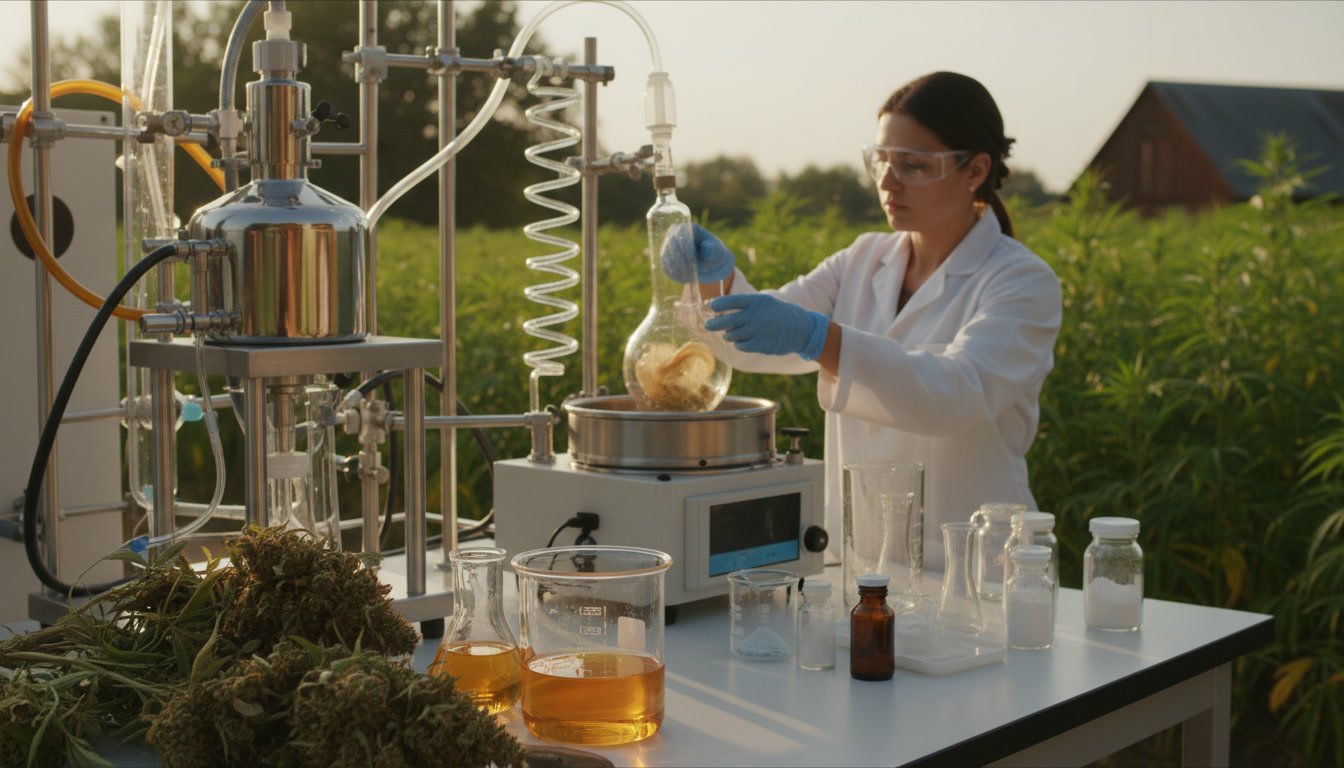
Licensed laboratories use high-performance liquid chromatography or gas chromatography to measure cannabinoids. A sample of the flower is ground, extracted, and analyzed to identify and quantify compounds like THC, THCA, CBD, CBDA, CBG, and CBN. The results are reported as percentages, calculated by dividing the cannabinoid mass by the total sample mass.
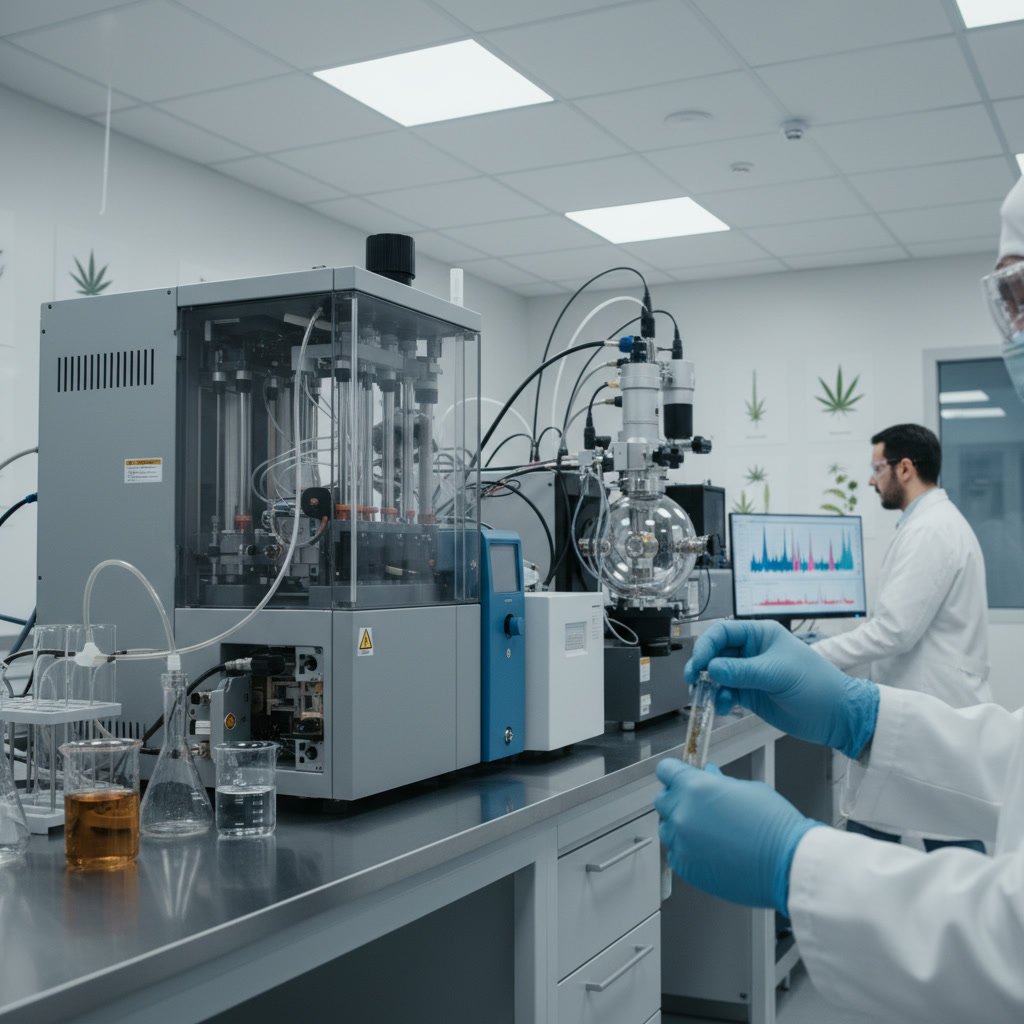
Most labs report THCA separately from THC because raw flower contains mostly THCA, the non-intoxicating acid form. When you heat flower through smoking, vaping, or cooking, THCA converts to THC. To estimate total active THC, labs multiply THCA by 0.877 (the conversion factor) and add any existing THC. This total THC figure is what matters for predicting effects.
What Different THC Percentage Ranges Mean
Cannabis flower typically ranges from 10% to 35% total THC, though some outliers exist. Flowers below 10% are considered low potency, suitable for beginners or users seeking mild relaxation without strong intoxication. Mid-range products between 15% and 22% offer balanced effects appreciated by regular users who want noticeable benefits without overwhelming intensity.
High-potency flower above 25% THC appeals to experienced consumers with higher tolerance or those managing significant symptoms. These products deliver strong effects quickly but require careful dosing. Very high numbers above 30% sometimes indicate concentrate-infused flower rather than naturally grown buds, so ask questions if labels seem unusually high.
The Role of Terpenes in How Cannabis Affects You
Terpenes are aromatic compounds that give cannabis its smell and significantly influence effects. A 20% THC flower rich in myrcene may feel sedating, while the same potency with limonene might feel energizing. Terpenes work with cannabinoids through the entourage effect, meaning the whole plant chemistry matters more than any single number.
Quality dispensaries and smoke shops test for both cannabinoids and terpenes. Look for lab reports listing terpene profiles alongside potency data. If a product only shows THC percentage with no other information, that is a red flag. Complete testing reveals the full picture of what you are buying.
How to Choose the Right Potency in LaBelle for Your Needs
Start low and go slow if you are new to cannabis or trying a new product. A 10% to 15% flower gives you room to learn your response without discomfort. Regular users typically find their sweet spot between 18% and 24%, where effects are strong enough to be useful but manageable throughout the day.
Medical users managing chronic pain or sleep issues might need higher potency, but dosage control matters more than chasing the highest percentage. Similar to how THC edibles require careful dosing, flower potency should match your specific goals and tolerance level.
Common Myths About High THC Percentages
The biggest myth is that higher THC always means better value or stronger effects. In reality, tolerance builds faster with very high-potency products, meaning you need more over time to achieve the same results. Moderate potency often provides more sustainable, enjoyable use without tolerance spikes.
Another misconception is that THC percentage determines indica versus sativa effects. Those distinctions come from terpene profiles and minor cannabinoids, not THC content alone. A high-THC indica and a high-THC sativa will feel different because of their chemical makeup beyond just the THC number.
Why Lab Testing and Verification Matter
Unregulated products may display inflated or fabricated potency numbers. Third-party lab testing ensures accuracy and screens for contaminants like pesticides, heavy metals, mold, and residual solvents. Certificates of analysis should be recent, specific to the batch you are buying, and available for review.
At Kush Kingdom LLC, every product is verified through lab reports before reaching shelves. This commitment to transparency grew from founder experience seeking trustworthy alternatives to opiates after a serious accident. When shops lack knowledge or testing documentation, consumers risk wasting money or harming their health. Just as important as verifying lab-tested CBD topicals, cannabis flower requires the same scrutiny.
How Potency Affects Dosage and Consumption Methods
Calculating your dose depends on potency and consumption method. If you smoke one gram of 20% THC flower, you consume 200 milligrams of THC total, though bioavailability means you absorb less. Smoking and vaping deliver effects within minutes but waste some cannabinoids through combustion or exhalation.
Vaporizing flower at controlled temperatures preserves more cannabinoids and terpenes than smoking, making the same potency feel stronger. If switching from smoking to vaping, reduce your amount by about one-third initially. Tinctures offer another alternative with precise dosing, though effects differ from inhaled flower.

Understanding CBD and Minor Cannabinoids on Labels
Full-spectrum flower contains multiple cannabinoids beyond THC. CBD moderates THC effects, reducing anxiety and extending duration. A flower with 18% THC and 2% CBD often feels smoother than 18% THC with no CBD. Minor cannabinoids like CBG, CBN, and THCV contribute unique effects that enrich the overall experience.
Hemp flower, which is legally distinct from marijuana, contains less than 0.3% THC but offers CBD and other beneficial compounds. These products will not cause intoxication but provide relaxation and wellness benefits. Understanding the cannabinoid profile helps you choose between intoxicating and non-intoxicating options based on your needs.
When Potency Numbers Do Not Tell the Whole Story
Freshness matters as much as potency. Cannabinoids degrade over time, especially when exposed to light, heat, or air. A six-month-old flower tested at 25% THC might now sit closer to 20%. Proper storage in airtight containers away from light preserves potency, but no label accounts for storage conditions after testing.
Curing and drying techniques also affect how potency translates to effects. Rushed drying can leave harsh, chlorophyll-heavy flower that tests high but smokes poorly. Slow-cured flower with slightly lower numbers often delivers smoother, more flavorful experiences. Trust shops that prioritize quality over chasing the highest numbers on paper.
Making Informed Choices About Cannabis Potency
Reading potency labels correctly empowers you to select products that match your experience level and goals. Look for complete lab reports showing total THC, CBD, terpenes, and contaminant screening. Ask questions about testing procedures, batch dates, and storage practices. Knowledgeable staff should explain what the numbers mean for your individual situation.
Choose potency based on your tolerance, desired effects, and consumption method rather than assuming higher is better. Start with moderate ranges if you are unsure, and pay attention to how different terpene profiles influence your experience. Quality and safety matter more than chasing record-breaking percentages that may not deliver the results you expect.
If you are exploring cannabis options and want honest guidance backed by verified lab testing, Kush Kingdom LLC in LaBelle offers carefully researched products with transparent information. Our team understands that every customer has unique needs and deserves trustworthy answers about what they are purchasing. Reach out at +18633732644 to learn more about our selection and find the right potency for your needs.