To identify quality cannabis flower, examine the trichome density, color, and structure of the bud itself. High-quality flower displays abundant, milky white or amber trichomes visible to the naked eye or under magnification, alongside dense, well-formed buds with minimal stem and proper moisture content. These visual and tactile indicators reveal whether the plant was grown, harvested, and cured correctly.
Shopping for flower can feel overwhelming when faced with dozens of strains and packaging claims. Knowing how to evaluate what you see and feel before purchasing gives you confidence and ensures you get the potency, flavor, and experience you expect.
Why Trichome Quality Matters for Potency and Effect
Trichomes are the tiny, mushroom-shaped glands covering the surface of mature cannabis flowers. These glands produce and store cannabinoids like THC, CBD, and other compounds, along with terpenes that deliver aroma and flavor. When trichomes are abundant and properly developed, the flower delivers stronger effects and richer taste.
A bud covered in visible, frosty trichomes indicates the plant reached full maturity before harvest. Immature or degraded trichomes appear clear or amber-brown, often signaling suboptimal growing conditions or late harvesting. Potency and freshness both decline when trichomes oxidize or break off during rough handling.
Understanding the Anatomy of Premium Bud Structure
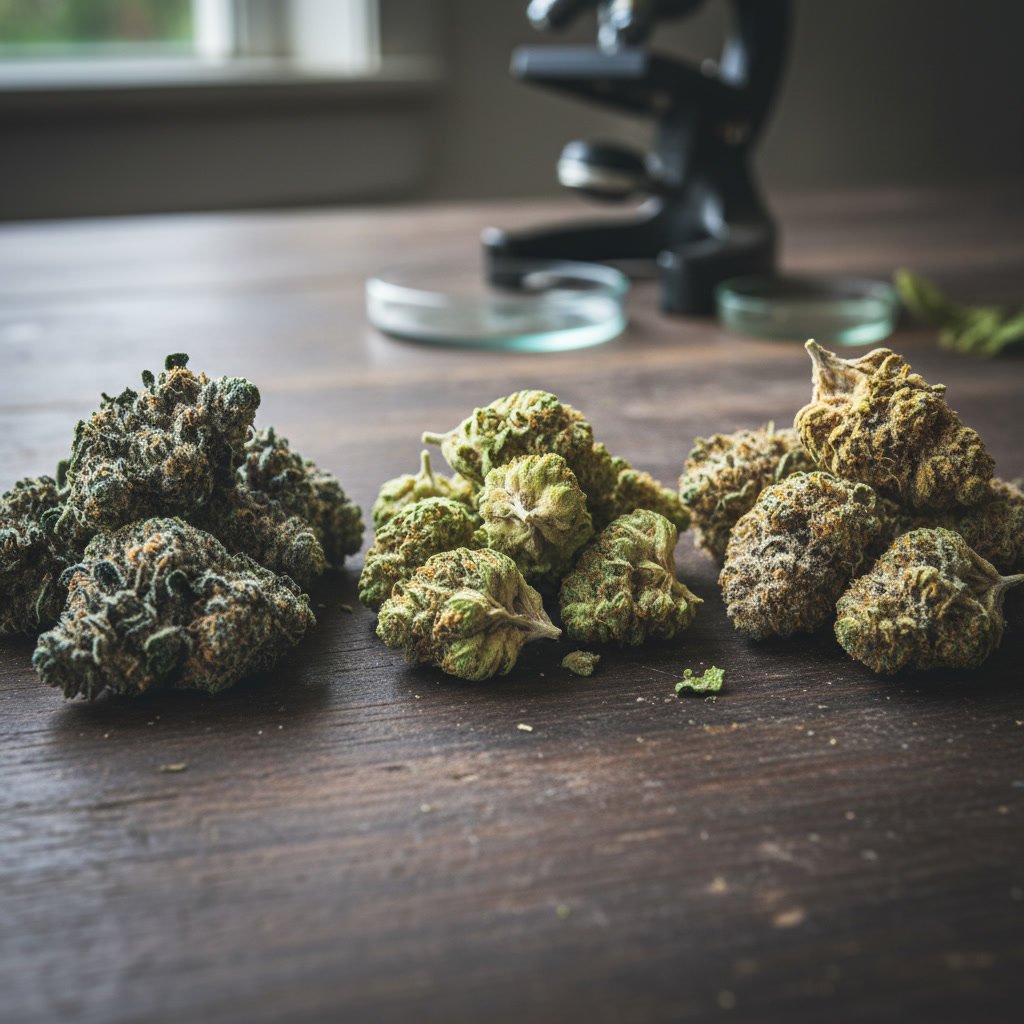
Quality flower exhibits a tight, compact structure with minimal visible stem. The calyxes should be swollen and layered, creating the classic nugget shape rather than airy, loose buds that crumble with light pressure. Density indicates the plant received adequate light and nutrients during flowering.
Color also matters. Vibrant greens, purples, or oranges suggest healthy cultivation, while brown, yellow, or overly pale buds often point to mold, nutrient deficiencies, or improper curing. Pistils, the hair-like strands on the surface, should be bright orange, red, or brown rather than white, which signals premature harvest.
How to Inspect Trichomes Without a Microscope
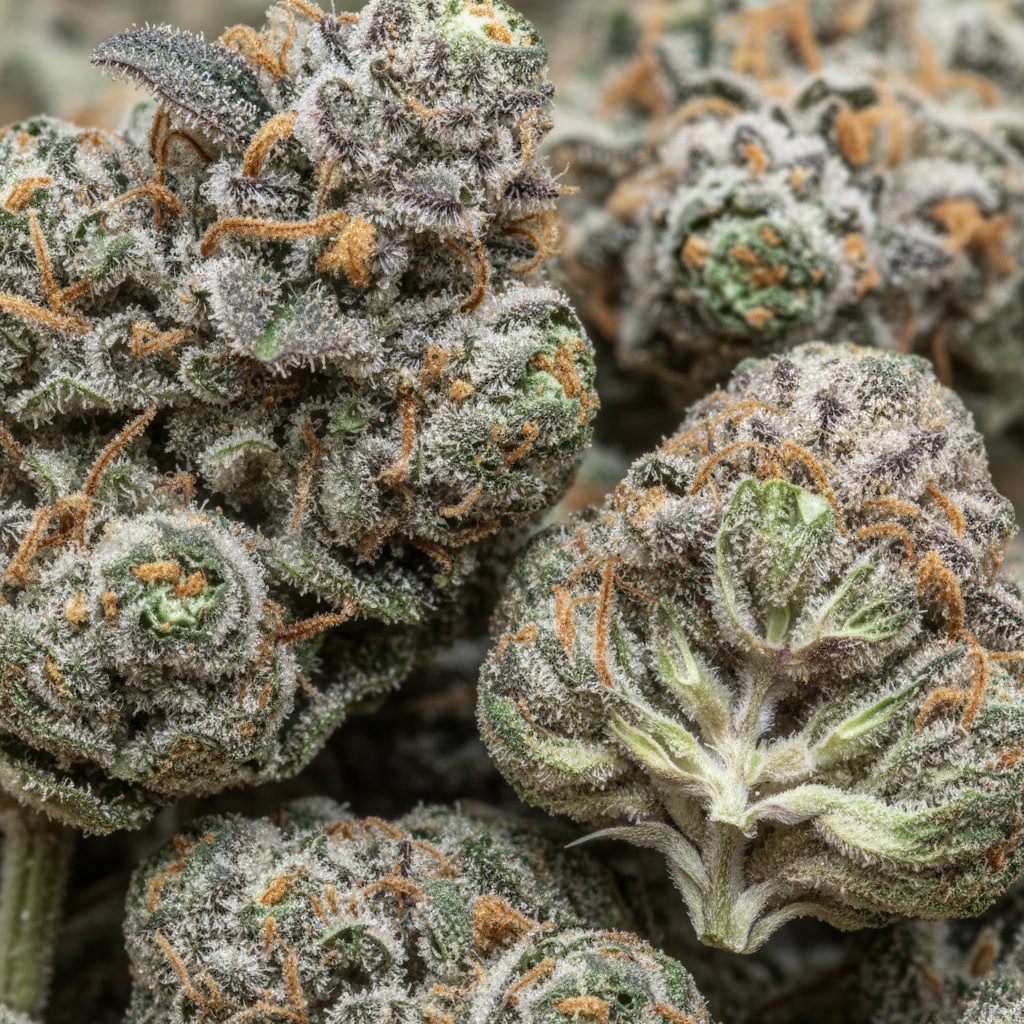
You do not need laboratory equipment to assess trichome quality. Hold the bud under bright, natural light or use your smartphone flashlight. Quality flower will appear frosty or dusted with a crystalline coating. If you see little to no sparkle or shimmer, trichome density is likely low.
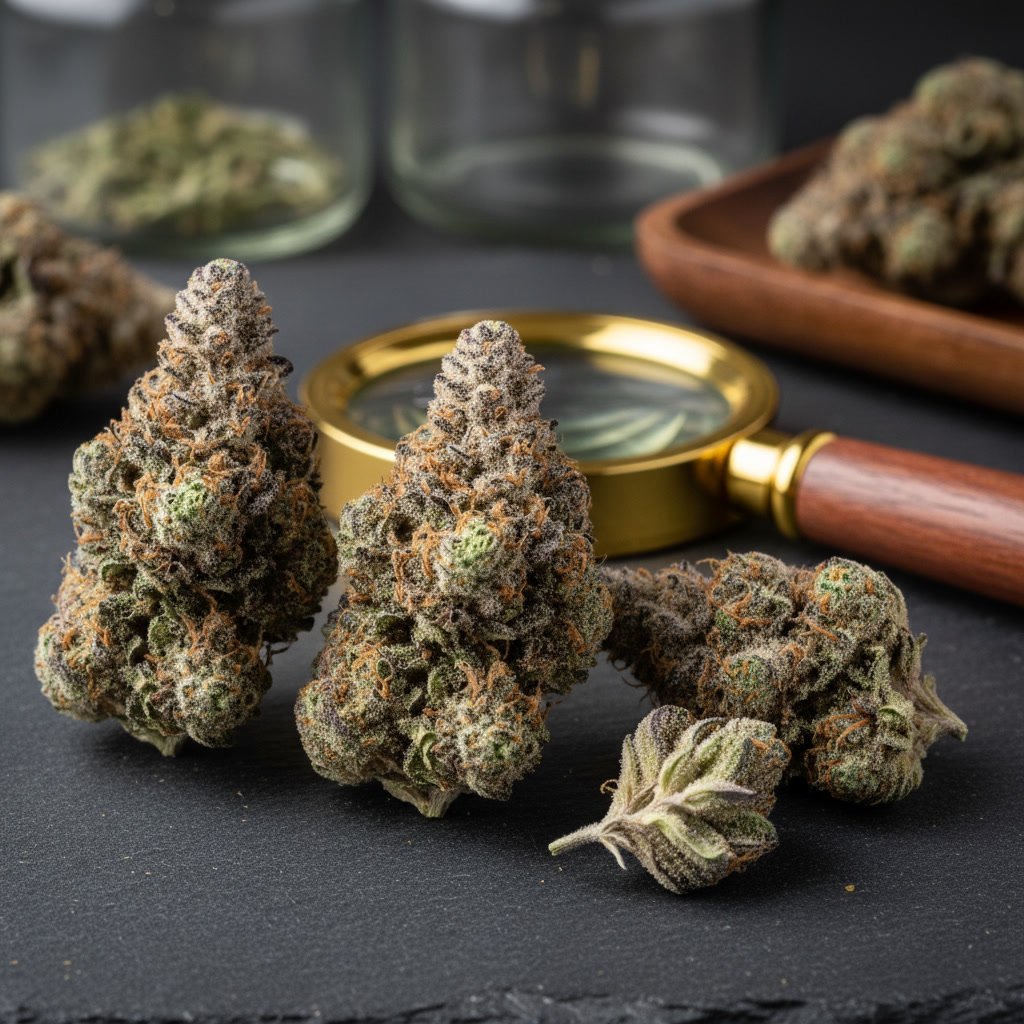
For a closer look, use a jeweler’s loupe or smartphone macro lens attachment. These tools magnify the trichome heads, allowing you to see whether they are clear (immature), milky white (peak potency), or amber (past peak). Most consumers prefer buds harvested when trichomes are predominantly milky with some amber for balanced effects.
The Role of Moisture Content in Quality Flower
Properly cured flower feels slightly sticky but not wet, and it springs back gently when squeezed. Overly dry buds crumble into powder and harsh smoke, while too much moisture invites mold growth and a harsh, grassy taste. The ideal moisture range sits between 8 and 12 percent.
Test the stem inside the bud. It should snap cleanly rather than bend. If stems bend without breaking, the flower retains too much water. If they disintegrate into dust, the bud is overdried. Moisture balance affects not only smoothness and flavor but also cannabinoid preservation over time.
Comparing Outdoor, Indoor, and Greenhouse Grown Flower
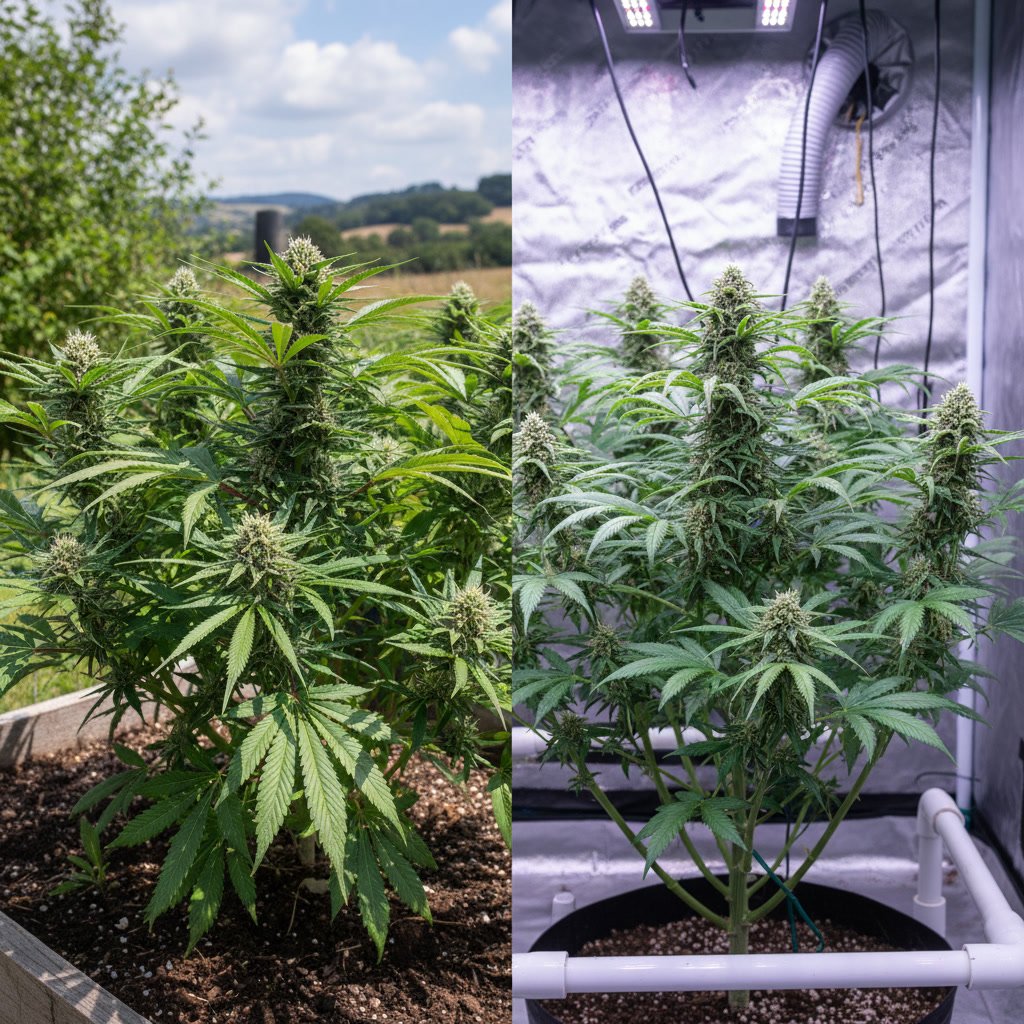
Indoor-grown flower typically shows the highest trichome density and most uniform structure because growers control light, temperature, and humidity with precision. These buds often command premium prices due to the labor and energy investment required.
Outdoor flower may have slightly lower trichome density but can offer exceptional terpene profiles when grown in ideal climates. Greenhouse flower splits the difference, combining natural sunlight with some environmental control. None of these methods guarantees quality on its own; cultivation skill and attention to detail matter more than the setting.
When evaluating any flower, focus on the visual and aromatic signals rather than assumptions about growing method. A well-grown outdoor plant can outperform poorly managed indoor operations.
What Color Tells You About Freshness and Handling
Bright, vivid colors indicate recent harvest and proper storage. Fading or browning suggests exposure to light, heat, or oxygen over extended periods. Even high-quality flower degrades when stored incorrectly, so packaging and handling are just as important as cultivation.
Check for any white, gray, or fuzzy patches that could indicate mold or mildew. These contaminants pose health risks and should never be consumed. Reputable shops like cannabis retailers test and inspect every batch before it reaches the shelf.
Aroma as a Quality Indicator in LaBelle Flower Shopping
Fresh, potent flower releases a strong aroma when the container opens. The scent should be complex and pleasant, ranging from fruity and sweet to earthy and piney, depending on the strain’s terpene profile. Weak or hay-like smells suggest old product or improper curing.
Terpenes degrade faster than cannabinoids, so aroma is an early warning system for age and storage conditions. If a bud smells like nothing or like dried grass, it has likely lost potency and flavor even if it still looks acceptable. Trust your nose as much as your eyes when shopping.
Step by Step Guide to Evaluating Bud in Person
First, observe the bud under good lighting. Look for trichome coverage, color vibrancy, and structural integrity. Second, gently squeeze the nug to test moisture and density. It should feel firm but slightly springy, never soggy or bone dry.
Third, bring the flower close and inhale. A strong, pleasant aroma confirms terpene preservation. Fourth, inspect for seeds, stems, and any discoloration or mold. High-quality flower contains minimal stem weight and zero seeds. Finally, ask the budtender about lab testing, harvest date, and storage conditions. Knowledgeable staff at trusted locations like our shop will answer these questions transparently.
This five-step process takes less than a minute but dramatically improves your purchasing decisions. Consistent evaluation trains your eye and nose to recognize quality instantly.
Lab Testing and Compliance for Safe Consumption
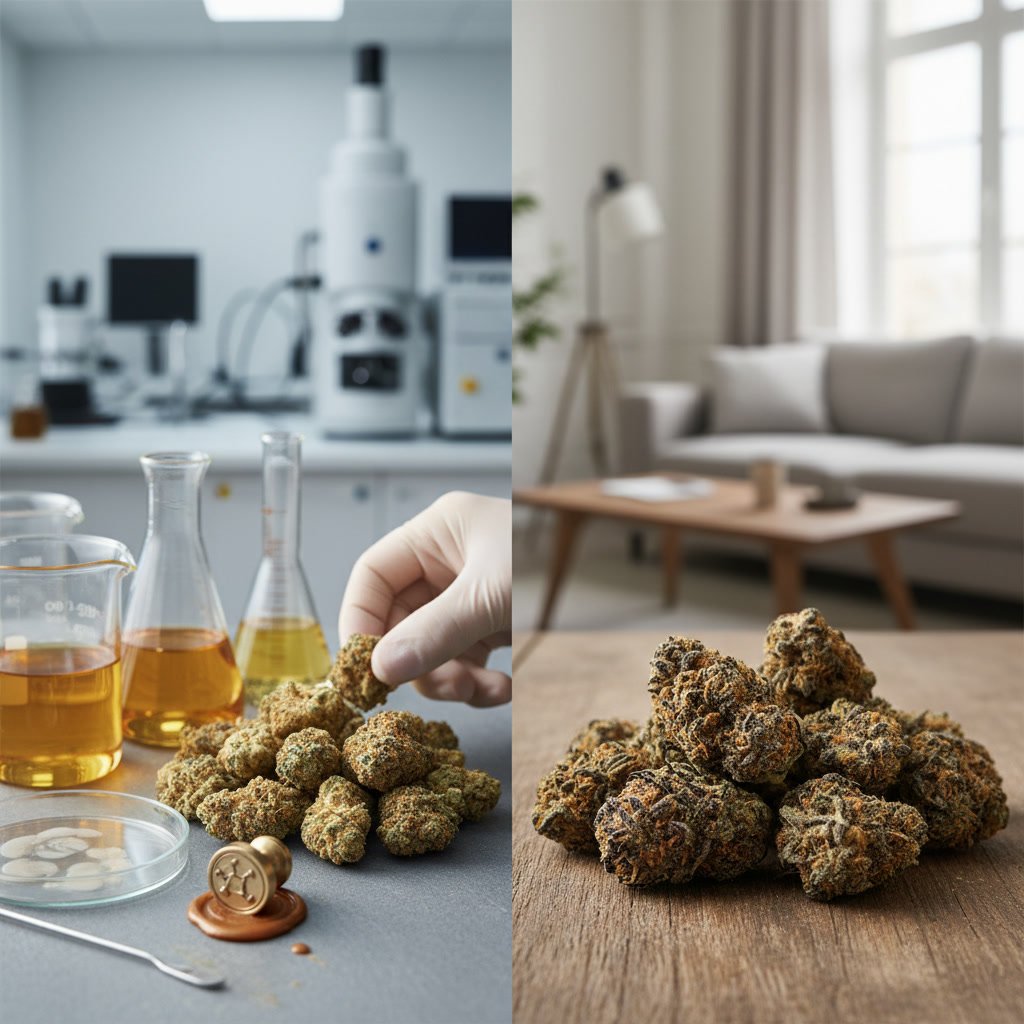
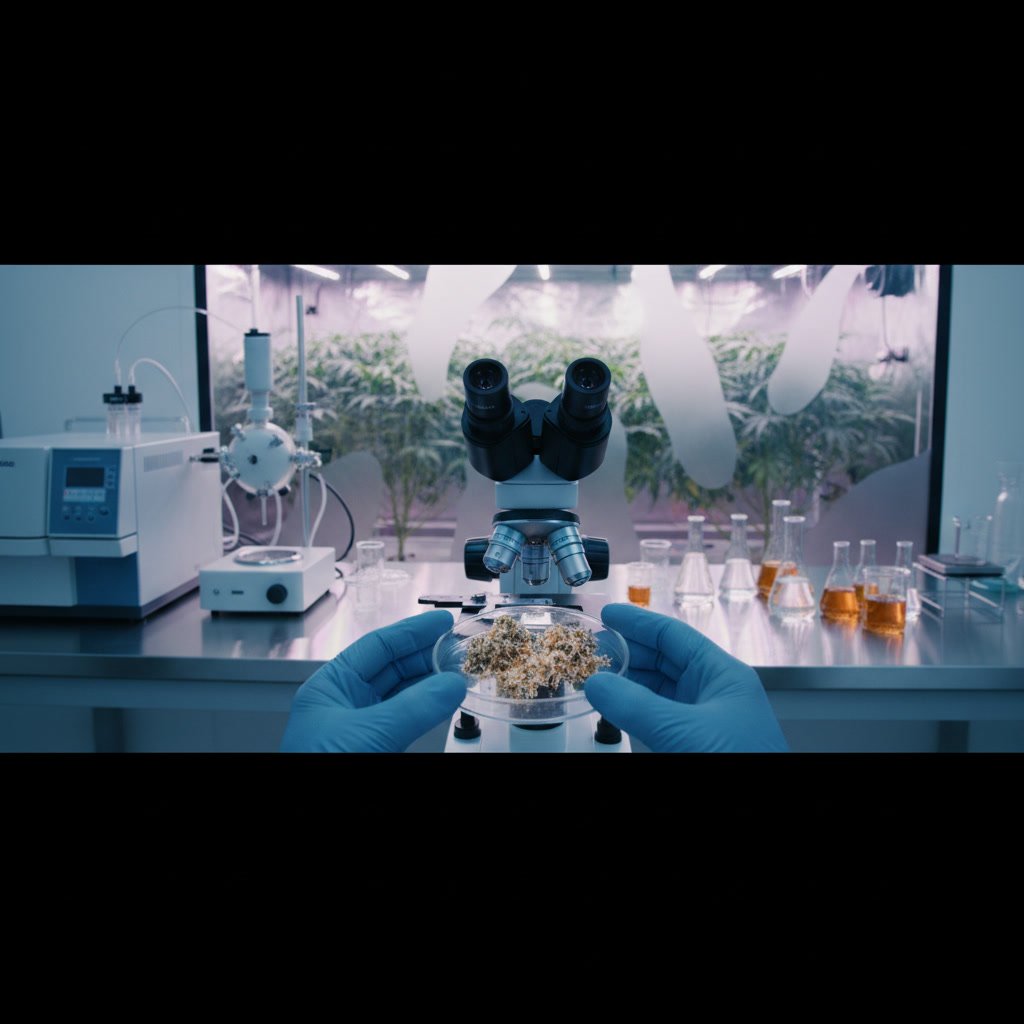
Visual inspection reveals much, but laboratory testing confirms cannabinoid potency, terpene profiles, and the absence of pesticides, heavy metals, and microbial contaminants. Reputable retailers provide access to certificates of analysis (COAs) that detail these results for every product.
When shopping, ask to see the lab report for any flower you consider purchasing. COAs should come from third-party labs and include batch numbers matching the product packaging. This documentation protects you from mislabeled or contaminated products and ensures you receive the potency advertised.
Stores committed to transparency and safety invest time researching and verifying these reports before stocking any product. This diligence mirrors the approach taken with other wellness products, similar to how customers seek lab-tested CBD lotions for arthritis relief.
Common Mistakes That Lower Flower Quality
Even premium genetics can produce disappointing results when growers rush the harvest, skip the curing process, or store finished product in poor conditions. Flower harvested too early lacks full trichome development, while late harvests result in degraded cannabinoids and sedative effects regardless of strain.
Improper curing is perhaps the most common mistake. Buds dried too quickly retain chlorophyll, producing harsh smoke and grassy flavors. Conversely, slow drying in humid environments encourages mold. The curing process should span two to four weeks in controlled conditions to stabilize moisture and allow chemical processes to refine flavor.
Once cured, flower must be stored in airtight containers away from light and heat. Exposure accelerates terpene evaporation and cannabinoid breakdown. Many consumers unknowingly damage their purchases by leaving them in hot cars or clear containers on sunny windowsills.
Where Quality Meets Value in Your Local Market
Recognizing quality flower protects your investment and ensures you receive the experience you seek. Armed with knowledge about trichomes, structure, moisture, and aroma, you can shop confidently and avoid products that look appealing but deliver disappointing results.
The same principles apply whether you purchase flower, tinctures, or other products. Quality starts with informed cultivation, continues through careful processing and testing, and ends with knowledgeable retail staff who prioritize customer education over quick sales.
Kush Kingdom LLC was founded on the belief that customers deserve honest guidance and access to products that have been thoroughly researched and verified. Every item on our shelves meets strict quality standards backed by third-party lab reports, ensuring you receive safe, effective options every time you visit.
Whether you are exploring flower for the first time or refining your preferences, our team at 870 West Hickpochee Ave, unit 200, offers personalized recommendations based on your needs and experience level. Stop by to see the difference that transparency and expertise make, or call +18633732644 to learn more about our current selection and lab-tested inventory.