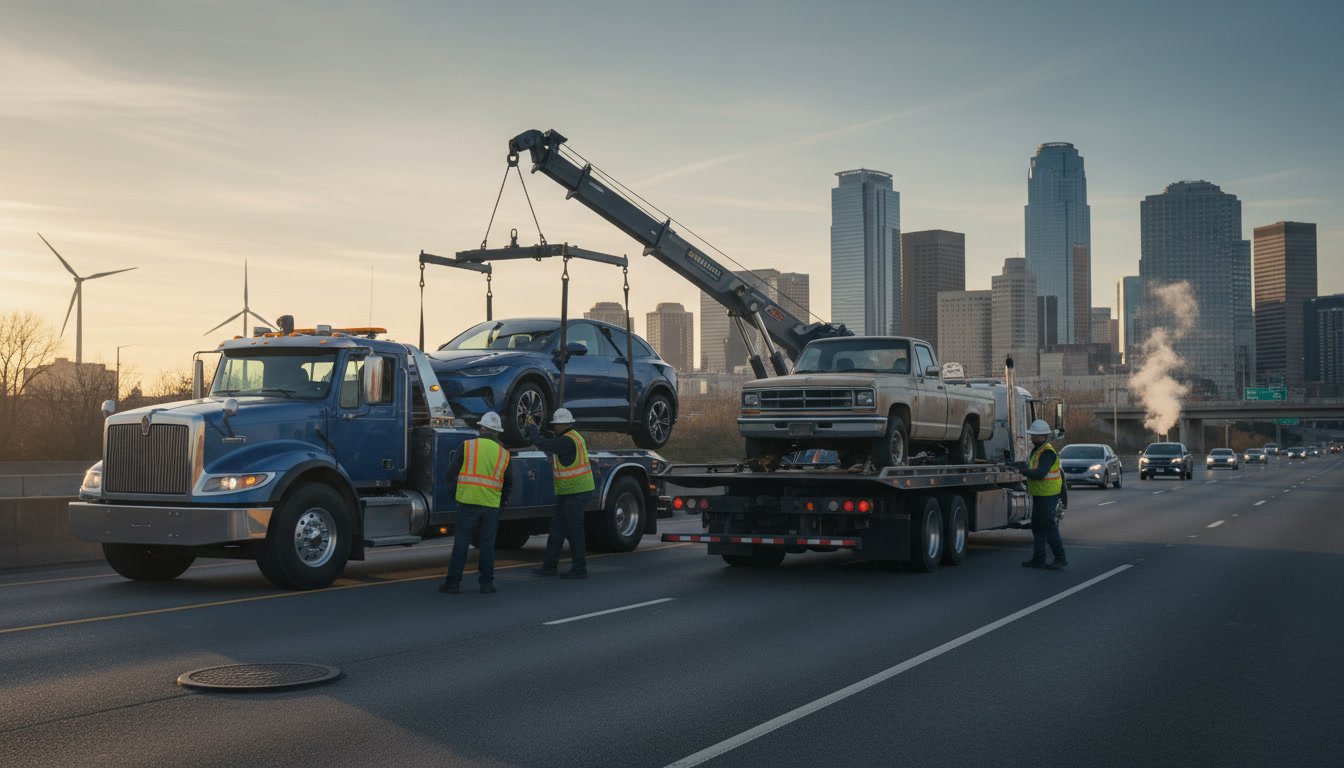
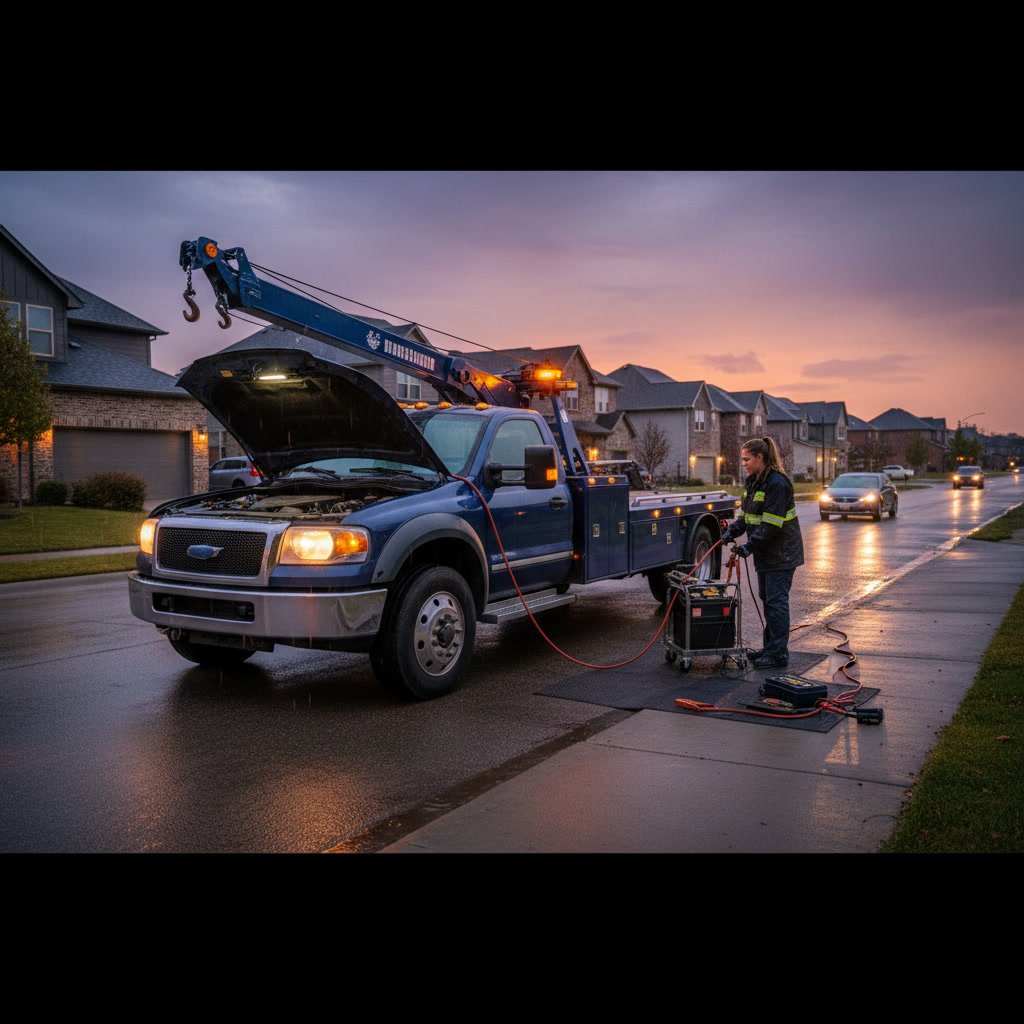
A dead battery can strand you in a parking lot, driveway, or on the side of the road with no warning. When your car won’t start and you hear that telltale clicking sound, you need a reliable jumpstart service Edmond residents can count on. Understanding how professionals handle these calls and what equipment they bring can help you make smarter decisions when your battery fails.
This guide explains the entire jumpstart process from dispatch to engine restart, the specialized tools technicians use, and why professional service often beats borrowing jumper cables from a stranger.
Why Professional Jumpstart Services Matter
Most drivers have jumper cables tucked in their trunk, but using them correctly requires more knowledge than many people realize. Connecting cables in the wrong order or to the wrong terminals can damage your vehicle’s electrical system, destroy the battery, or even cause a fire.
Professional jumpstart service Edmond technicians bring more than just cables. They carry diagnostic tools, protective equipment, and the training to identify whether your battery is simply drained or if a deeper electrical problem exists. This matters because jumping a failing alternator or corroded battery terminals can leave you stranded again within minutes.
Trained technicians also know how modern vehicles differ from older models. Cars built after 2000 often have sensitive computer systems that can be damaged by voltage spikes during an improper jump. Using the right equipment and technique protects these systems.

The Equipment Professionals Use
When you call for jumpstart service Edmond, the technician arrives with a service vehicle equipped with several key tools. Each piece of equipment serves a specific purpose in diagnosing and resolving your battery problem safely.
Portable Jump Starters
Modern jump starters are compact lithium-ion battery packs that deliver enough amperage to crank most engines without needing a second vehicle. Professional-grade units output 1000 to 2000 peak amps, compared to the 400 to 600 amps typical consumer models provide.
These units include built-in safety features like reverse polarity protection, which prevents damage if clamps are connected backward. Many also have LED indicators showing battery charge level and connection status. Technicians prefer these because they work independently of the service truck’s battery and can be carried to vehicles in tight spaces.
Heavy-Duty Jumper Cables
While portable starters handle most situations, professionals also carry commercial-grade jumper cables rated for 2 to 4 gauge wire. Thicker cables conduct more current with less resistance, making them essential for larger engines or severely depleted batteries.
Professional cables measure 20 to 25 feet long, allowing connections between vehicles parked at awkward angles. The clamps are copper-coated and spring-loaded to maintain solid contact with battery terminals throughout the starting process.
Battery Testers and Multimeters
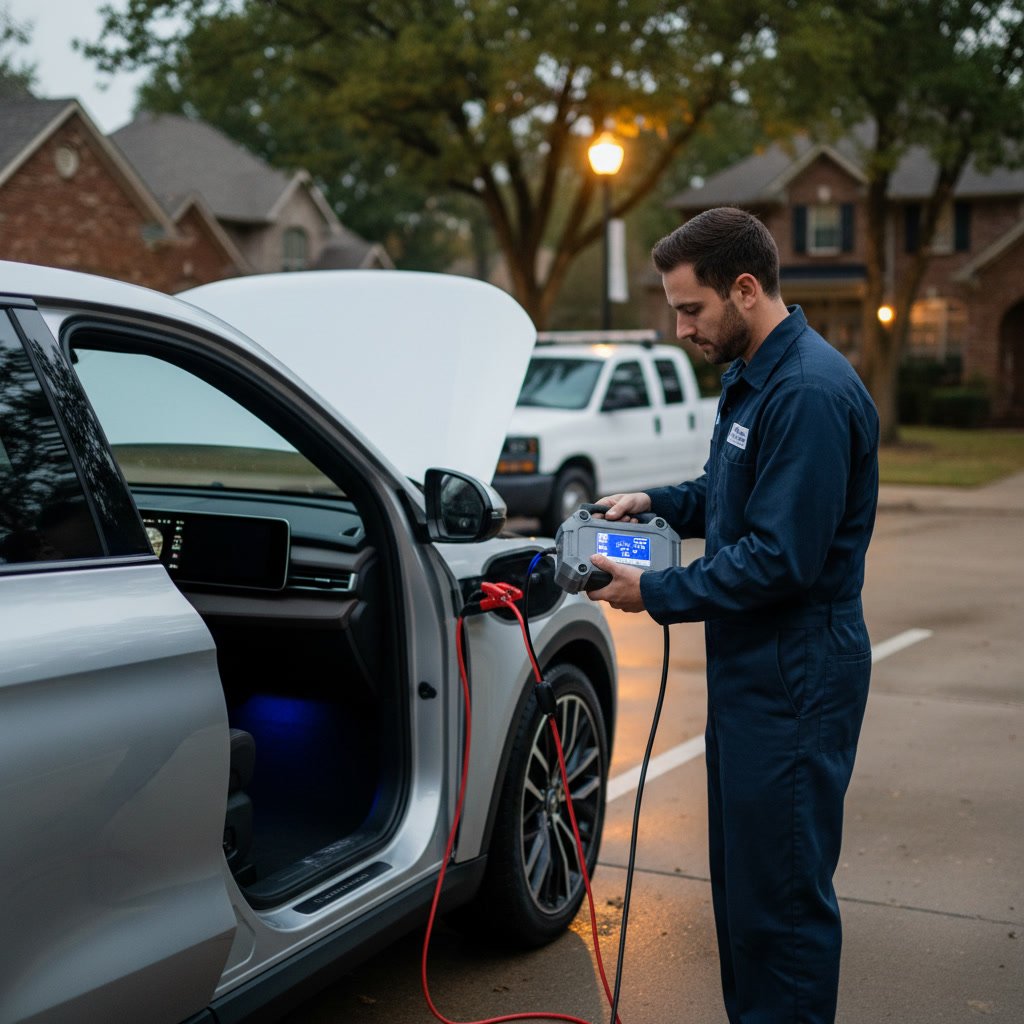
Before attempting a jump, experienced technicians test the battery’s voltage and cold cranking amps. A digital multimeter shows whether the battery holds 12.4 to 12.7 volts when fully charged or has dropped below the critical 11.5-volt threshold.
Dedicated battery testers go further by measuring the battery’s ability to deliver current under load. This diagnostic step tells the technician whether jumping will solve your problem or if you need a replacement battery or alternator repair.
Terminal Cleaning Tools
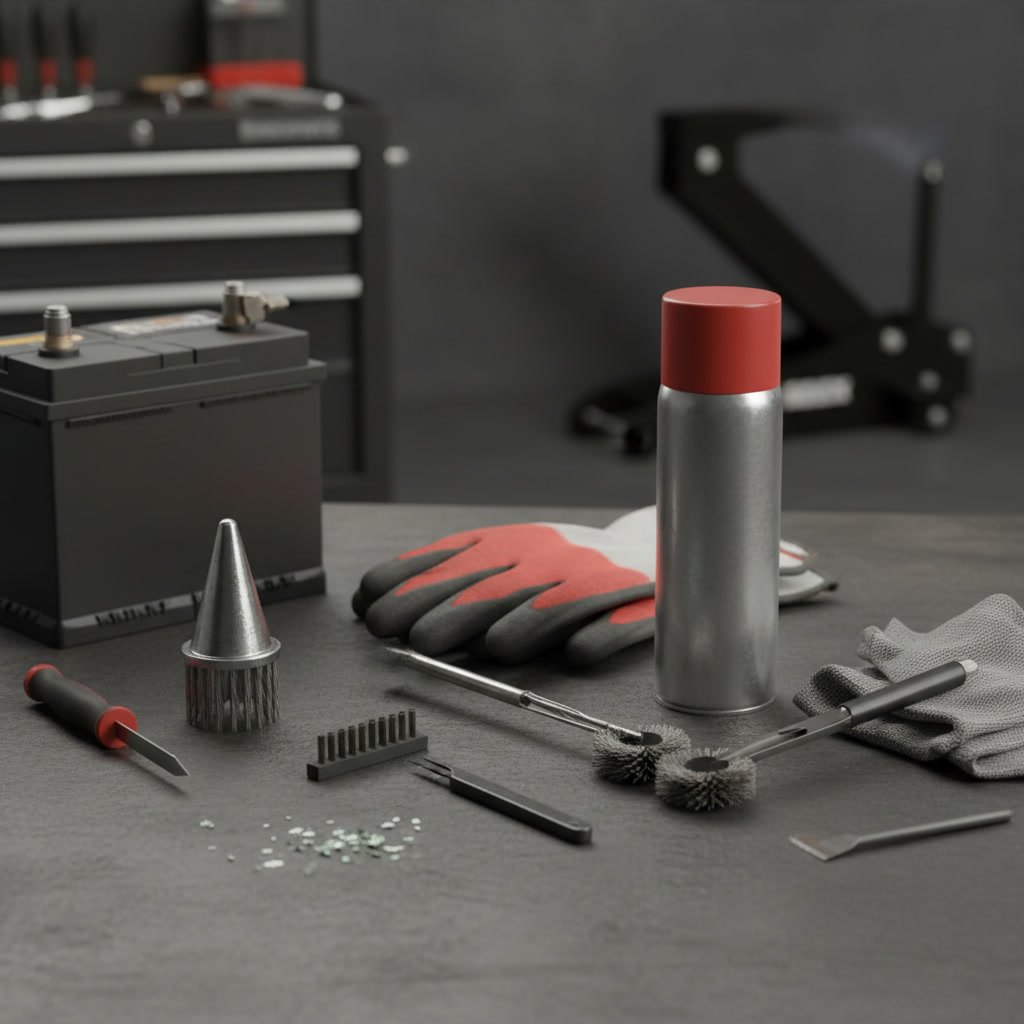
Corrosion on battery terminals creates resistance that prevents proper electrical flow. Professionals carry wire brushes and terminal cleaning sprays to remove the white or blue-green buildup that accumulates around posts and clamps.
Cleaning terminals before connecting cables ensures maximum current transfer and reduces the risk of sparking. This simple step often makes the difference between a successful jump and a failed attempt.
How the Jumpstart Process Works Step-by-Step
When you request jumpstart service Edmond, the process follows a systematic approach designed to protect your vehicle and ensure a successful start. Understanding these steps shows why professional service delivers better results than improvised attempts.
Initial Assessment
The technician begins by asking when the battery died and whether you notice any unusual symptoms. Recent electrical work, dimming headlights before failure, or a clicking starter motor all provide clues about the underlying cause.
They inspect the battery for obvious damage like cracks, leaks, or extreme corrosion. A swollen battery case indicates internal failure and cannot be safely jumped. In these cases, the technician recommends towing to a repair facility instead.
Battery Testing
Using a multimeter or dedicated tester, the technician measures voltage and checks the battery’s state of charge. A reading below 10.5 volts often means the battery has dropped too low for a standard jump and may require a longer charging period.
They also test for parasitic drain by measuring current flow with the ignition off. Excessive drain points to electrical faults that will kill the battery again shortly after jumping.
Terminal Preparation
The technician cleans both battery terminals using a wire brush, removing corrosion that blocks current flow. They check that terminal clamps are tight and inspect cables for fraying or damage near the connections.
This preparation step takes only one to two minutes but significantly improves jump success rates and prevents repeat service calls.
Cable Connection
Professionals follow a specific sequence when connecting cables or portable starters. The positive clamp attaches to the dead battery’s positive terminal first, followed by connecting the negative clamp to an unpainted metal ground point on the engine block rather than the negative terminal.
Grounding to the engine instead of the battery reduces spark risk and protects sensitive electronics. The technician ensures all clamps make solid contact before proceeding.
Engine Start and System Check
After connections are secure, the technician attempts to start your engine. Most vehicles crank within 3 to 5 seconds if the battery was simply drained. If the engine doesn’t turn over after 10 seconds, they stop to prevent starter motor damage and reassess the situation.
Once running, they use a multimeter to check the alternator’s output voltage, which should read 13.5 to 14.5 volts with the engine idling. Lower readings indicate alternator problems that will prevent the battery from recharging.
Pro Tip: After a successful jump, drive your vehicle for at least 20 to 30 minutes without stopping. This gives the alternator time to restore the battery’s charge and prevents another dead battery incident when you turn the engine off.
Common Jumpstart Challenges in Edmond
Certain situations make jumpstarting more difficult and require professional expertise to handle safely. Recognizing these scenarios helps you understand when to call for roadside assistance instead of attempting a DIY solution.
Cold Weather Complications
Battery capacity drops by 30 to 50 percent in freezing temperatures. During Edmond’s colder months, even healthy batteries struggle to provide enough current to turn over thick, cold engine oil. Dead batteries in cold weather often need higher amperage and longer charging times to restart.
Professional equipment handles these conditions better than consumer-grade jump starters, which may lack sufficient power output when ambient temperature falls below freezing.
Hybrid and Electric Vehicle Systems
Hybrid vehicles have two batteries: a traditional 12-volt battery for accessories and a high-voltage traction battery for the drive system. Jumpstarting requires connecting only to the 12-volt battery, but its location varies by model and accessing it sometimes requires removing panels.
Professionals trained on hybrid systems know where to connect cables safely and understand the specific precautions these vehicles require.
Vehicles with Electronic Access
Many newer cars with push-button start and electronic key fobs won’t recognize the key when the battery voltage drops too low. Even after a successful jump, the vehicle may refuse to start until the battery voltage climbs above a minimum threshold.
Experienced technicians know these systems need several minutes of charging before attempting ignition, preventing unnecessary wear on the starter motor.
When Jumpstarting Won’t Fix the Problem
Not every no-start situation stems from a dead battery. Professional jumpstart service Edmond technicians can identify symptoms that indicate other mechanical or electrical failures requiring different solutions.
Failed Starter Motor
If you hear a rapid clicking sound but the engine doesn’t turn over even after jumping, the starter motor may have failed. This component draws significant current and wears out over time, especially in vehicles with high mileage.
A voltmeter test showing adequate battery voltage combined with a non-cranking engine points to starter failure. In these cases, you’ll need towing service to reach a repair shop.
Alternator Failure
When the alternator stops charging, the battery gradually drains while you drive. You might notice dimming lights, slow power window operation, or warning lights before the vehicle dies completely.
Jumping the battery will start the engine, but it will die again within minutes as the battery depletes. Testing the alternator’s output immediately after jumping confirms whether this component needs replacement. If you’re unsure whether your situation requires a jump or a tow, our guide on determining if you need fuel delivery or a tow truck covers similar diagnostic questions.
Empty Fuel Tank
It sounds obvious, but fuel gauge failures and optimistic range estimates sometimes leave drivers stranded with an empty tank, not a dead battery. The engine cranks normally but won’t fire without fuel.
Technicians listen to the engine’s cranking sound and check the fuel gauge before attempting a jump. If fuel is the issue, they can provide fuel delivery service instead.
Safety Considerations During Jumpstart Service
Battery jumpstarting involves electrical current, flammable gases, and potential for sparks. Professional technicians follow strict safety protocols that protect both themselves and your vehicle from damage or injury.
Batteries produce hydrogen gas during normal operation, which is highly explosive in concentrated amounts. Proper ventilation and avoiding sparks near the battery prevents ignition of this gas. Professionals know to connect and disconnect cables in a specific order that minimizes spark generation.
Wearing safety glasses protects eyes from battery acid, which can spray out if a damaged battery ruptures during jumping. Gloves prevent electrical shocks and protect hands from corrosive materials.
Modern vehicles contain dozens of computerized modules that control everything from engine timing to airbag systems. Voltage spikes during improper jumping can fry these expensive components. Professional equipment includes surge protection that prevents damage to sensitive electronics.
How Long Professional Jumpstarts Take
From the moment a technician arrives, most jumpstart service Edmond calls are completed within 10 to 20 minutes. This timeline includes assessment, testing, terminal cleaning, jumping, and verification that the vehicle is safe to drive.
Complicated situations like hard-to-access batteries, extensive corrosion requiring more cleaning, or cold weather conditions may extend service time to 30 minutes. Vehicles that won’t start even after jumping need additional diagnostic time to determine the next steps.
Response time varies based on current call volume and your location within the service area. Smith Towing serves Edmond along with Seattle, Redmond, and Kirkland, typically reaching stranded drivers within 30 to 45 minutes during normal conditions.
Key Takeaway: Professional jumpstart services typically complete the job in under 20 minutes and include battery testing to determine if you need additional repairs. This diagnostic step saves you from repeat breakdowns hours or days later.
Cost Factors for Professional Jumpstart Service
Jumpstart service pricing depends on several factors including time of day, your location, and whether the technician needs to provide additional services beyond the jump itself.
Standard daytime jumpstart calls within the primary service area typically cost between 50 and 100 dollars. Evening, overnight, and weekend calls may include surcharges reflecting premium service hours and technician availability.
Distance from the service provider’s location affects cost, with calls farther from the service area incurring higher trip fees. Urban locations with easy access cost less than rural areas or sites requiring the technician to drive through difficult terrain.
Additional services like battery replacement, extended charging time, or minor electrical repairs increase the final bill. Reputable companies provide clear pricing before starting work so you know what to expect.
Frequently Asked Questions
How many times can you jumpstart a car battery before it needs replacement?
You can jumpstart a healthy battery dozens of times without damage, but if you need jumps frequently, the battery or charging system has failed. A battery requiring jumps more than once every few months should be tested and likely replaced. Repeated deep discharge cycles permanently reduce battery capacity over time.
Can jumpstarting damage my car’s computer systems?
Improper jumpstarting can damage sensitive electronics through voltage spikes, but professional technicians use equipment with built-in surge protection that prevents this damage. DIY jumping from another vehicle carries higher risk, especially if cables are connected in the wrong order or to incorrect terminals. Modern professional jump starters include multiple safety features that protect vehicle computers.
Will my car run after a jumpstart if the alternator is bad?
Your engine will start and run briefly on battery power alone, but it will die again once the battery depletes, usually within 5 to 30 minutes depending on electrical load. A functioning alternator must recharge the battery while the engine runs. Professional technicians test alternator output after jumping to warn you if you need immediate alternator service before driving away.
What should I do after getting a jumpstart?
Drive continuously for 20 to 30 minutes without turning off the engine or using high-draw accessories like heated seats or rear defrosters. This allows the alternator to restore the battery’s charge. If the vehicle runs normally during this drive, the jumpstart was successful and your battery is recharging. Schedule a battery and alternator test within the next few days to prevent repeat failures.
Can all vehicles be jumpstarted the same way?
No, different vehicle types require modified approaches. Diesel engines need more amperage than gasoline engines due to higher compression ratios. Hybrid vehicles have specific jumpstart procedures and connection points. Some luxury vehicles prohibit traditional jumping and require special charging equipment. Professional technicians know these differences and carry equipment suited to various vehicle types.
Getting Professional Help When You Need It
Dead batteries happen without warning, but knowing how professional jumpstart service Edmond works helps you make better decisions when you’re stranded. The specialized equipment technicians use, combined with proper training and safety procedures, delivers faster results with lower risk of vehicle damage compared to improvised solutions.
Whether your battery died in a parking lot, at home, or on the roadside, Smith Towing provides reliable jumpstart service throughout Edmond and the surrounding Seattle area. Our technicians arrive equipped to diagnose battery problems, perform safe jumps, and advise you on whether additional repairs are needed. Call +18633732644 anytime you need fast, professional assistance getting back on the road.