The distinct aroma of cannabis terpenes smell arises from over 150 organic compounds called terpenes, which vary dramatically between strains. These aromatic molecules determine whether a strain smells fruity, earthy, piney, or skunky, and they also influence flavor and effects. Terpenes work alongside cannabinoids to shape your entire experience, making them just as important as THC or CBD content when selecting flower.
What Terpenes Actually Are in Cannabis Plants
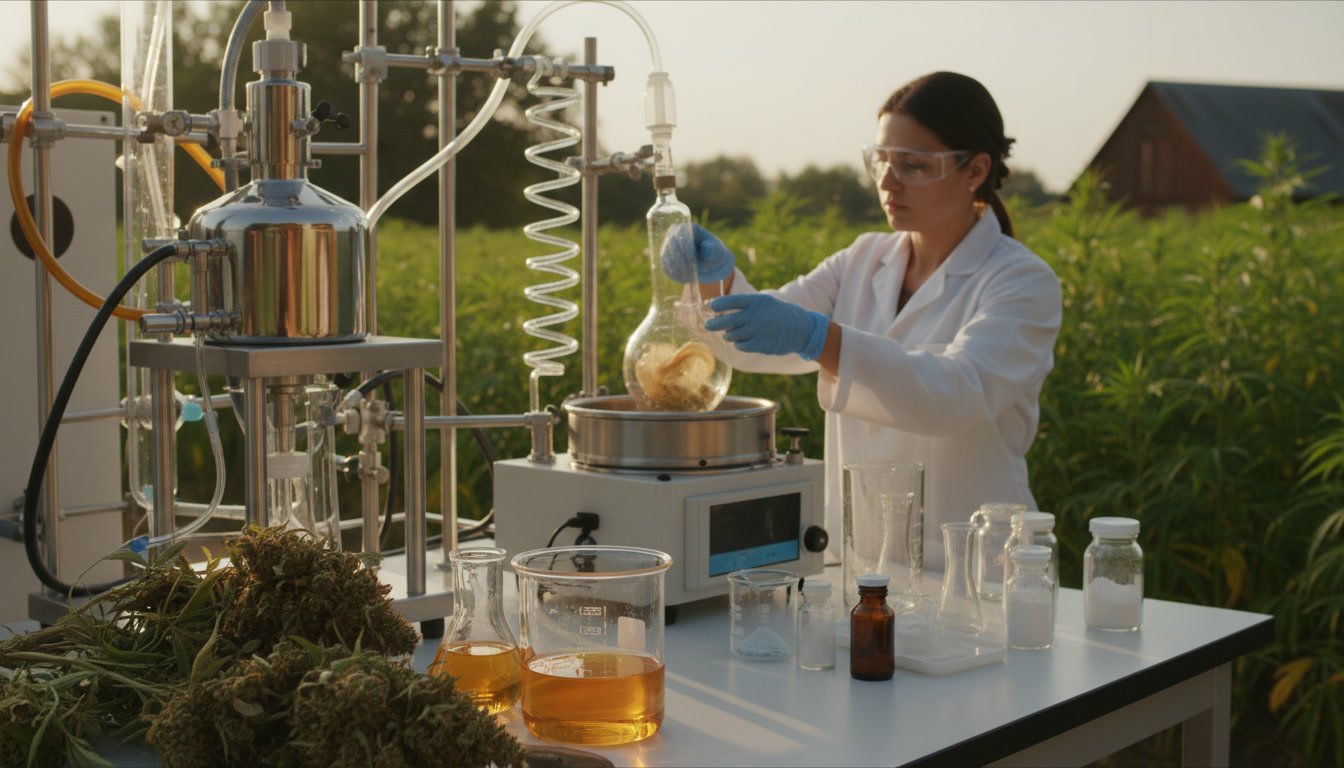
Terpenes are volatile organic compounds produced in the resin glands of cannabis plants, the same structures that manufacture cannabinoids. Plants evolved these aromatic oils as natural defense mechanisms against pests, fungal infections, and environmental stress. When you smell fresh cannabis flower, you are detecting these terpene molecules evaporating into the air from the plant’s trichomes.
Over 200 different terpenes have been identified in cannabis, though only about a dozen appear in concentrations high enough to significantly influence aroma and effects. Each strain develops a unique terpene profile based on its genetics, growing conditions, harvest timing, and curing process. Two plants of the same strain grown in different environments can produce noticeably different terpene ratios.
How Growing Conditions Shape Flower Aroma
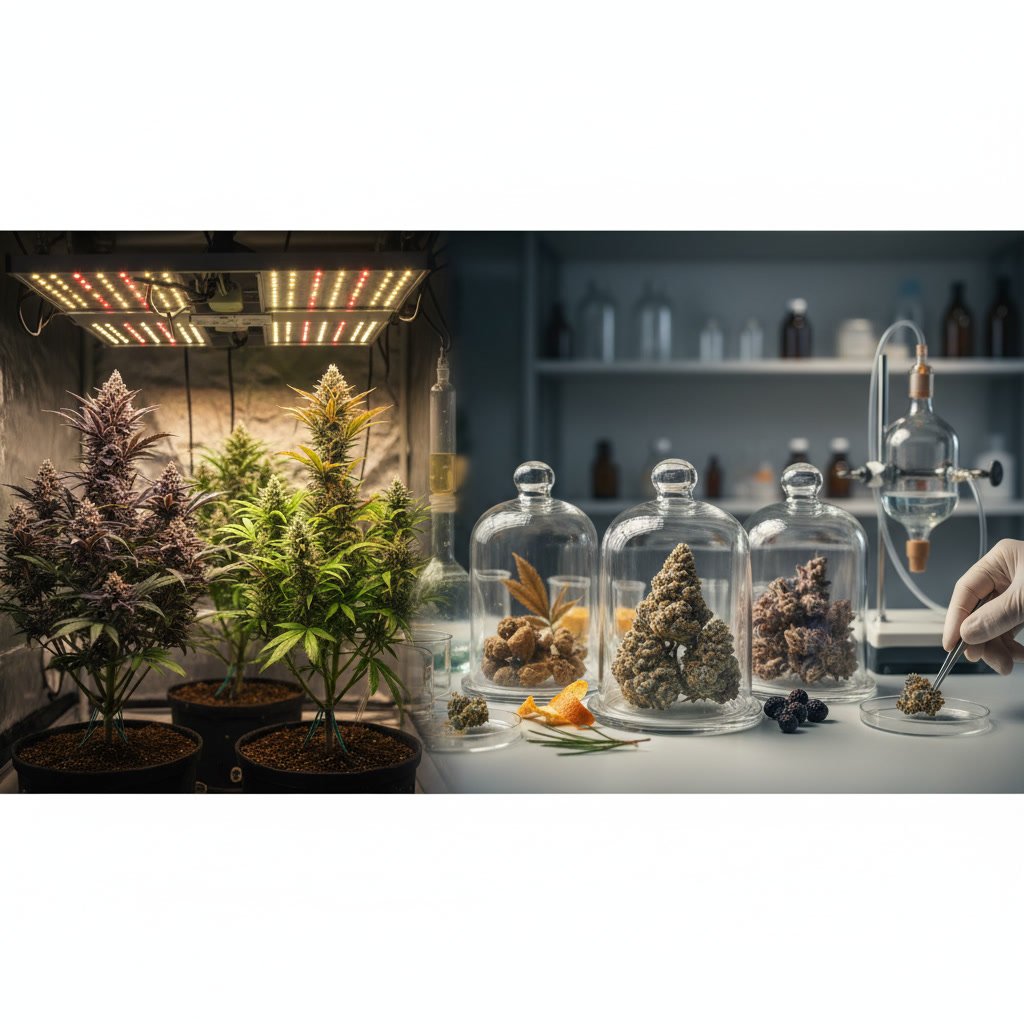
Temperature, humidity, light spectrum, and soil composition all directly affect which terpenes a plant produces and in what quantities. Indoor grows with controlled environments tend to preserve delicate terpenes that might evaporate in hot outdoor climates. Plants exposed to UV-B light produce higher terpene concentrations as a protective response, while stressed plants often develop sharper, more pungent profiles.
Harvest timing plays a critical role. Terpene content peaks during a narrow window before cannabinoid production fully matures. Growers who harvest too early capture maximum terpene content but sacrifice potency, while late harvests yield higher THC levels but diminished aroma. Professional cultivators monitor trichome color and terpene volatility to find the optimal harvest moment for each strain.
The Six Most Common Terpene Profiles You Will Encounter
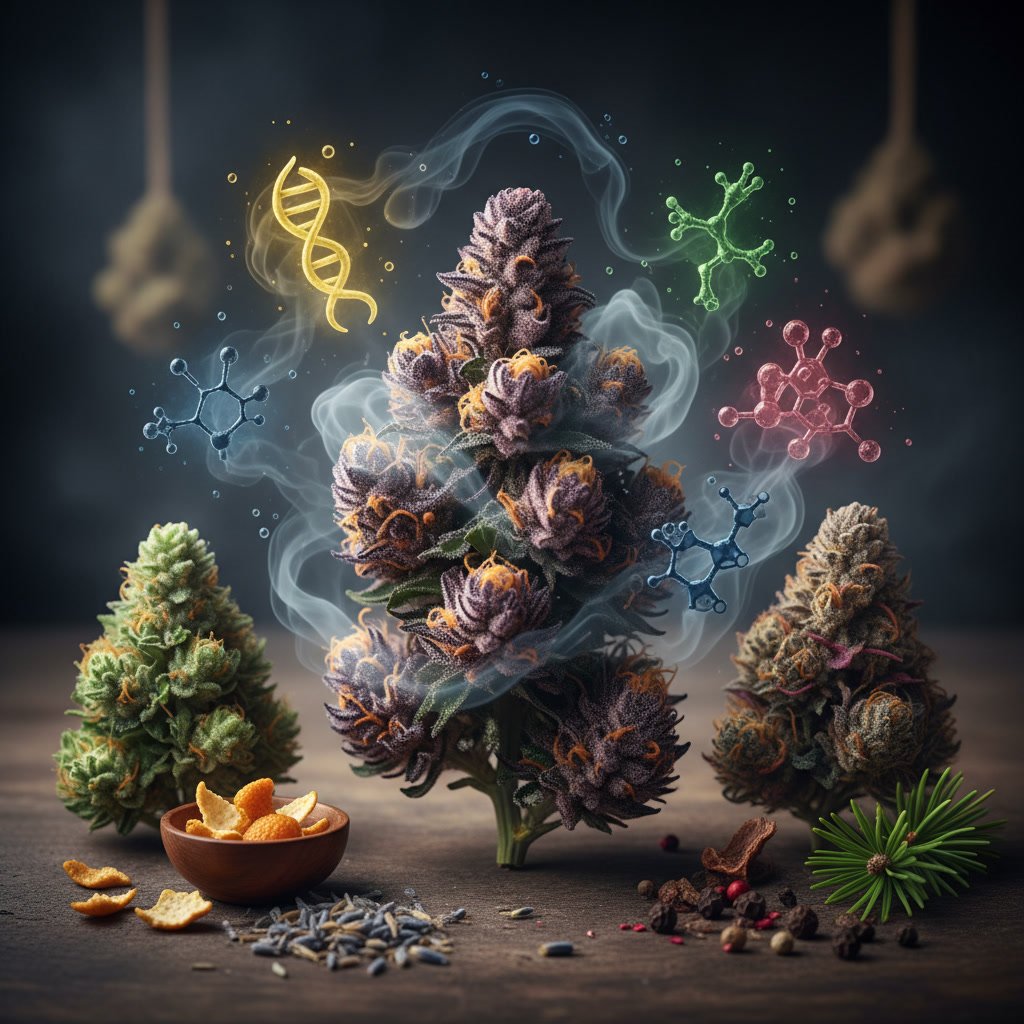
Myrcene produces earthy, musky aromas reminiscent of cloves or ripe mango. It appears as the dominant terpene in many indica-leaning strains and contributes to sedative effects. Strains with myrcene concentrations above 0.5 percent typically deliver the relaxed, couch-lock sensation consumers associate with classic indicas.
Limonene creates bright citrus scents ranging from lemon to orange peel. This terpene elevates mood and appears in higher concentrations in sativa-dominant genetics. Limonene also enhances the absorption of other terpenes and cannabinoids through skin and mucous membranes, making it valuable in both flower and topical products like those discussed in our guide to lab-tested CBD lotions.
Pinene smells exactly like pine needles or fresh rosemary. It exists in two forms: alpha-pinene (sharp pine) and beta-pinene (woody, herbal). This terpene promotes alertness and memory retention while counteracting some of THC’s short-term memory impairment. Strains high in pinene often feel clear-headed despite moderate to high THC levels.
Caryophyllene delivers spicy, peppery notes similar to black pepper or cinnamon. Uniquely among terpenes, it also functions as a cannabinoid by activating CB2 receptors in the endocannabinoid system. This makes caryophyllene-rich strains particularly effective for inflammation and discomfort without psychoactive intensity.
Linalool produces floral, lavender-like aromas with subtle spice undertones. Found in low concentrations in most cannabis but dominant in select strains, linalool promotes relaxation and stress relief. Its calming properties mirror those found in traditional aromatherapy applications.
Humulene creates earthy, woody scents with hints of hops (cannabis and hops are botanical cousins). This terpene acts as an appetite suppressant, contrasting with THC’s typical hunger-inducing effects. Strains high in humulene offer energy and focus without triggering intense munchies.
Why Different Strains Produce Distinct Scent Combinations
Genetics determine which terpene-producing enzymes a plant carries, setting the foundation for its aroma profile. A strain’s genetic lineage predicts its terpene potential the way eye color follows family lines. Crossing a limonene-rich sativa with a myrcene-heavy indica typically yields offspring with moderate levels of both, though occasional phenotypes express surprising terpene combinations.
The entourage effect explains why whole-flower cannabis produces more nuanced experiences than isolated cannabinoids. Terpenes modulate how cannabinoids bind to receptors, altering onset time, intensity, and duration. A 20 percent THC strain rich in myrcene feels substantially different from a 20 percent THC strain dominated by pinene and limonene, even though lab testing shows identical cannabinoid percentages.
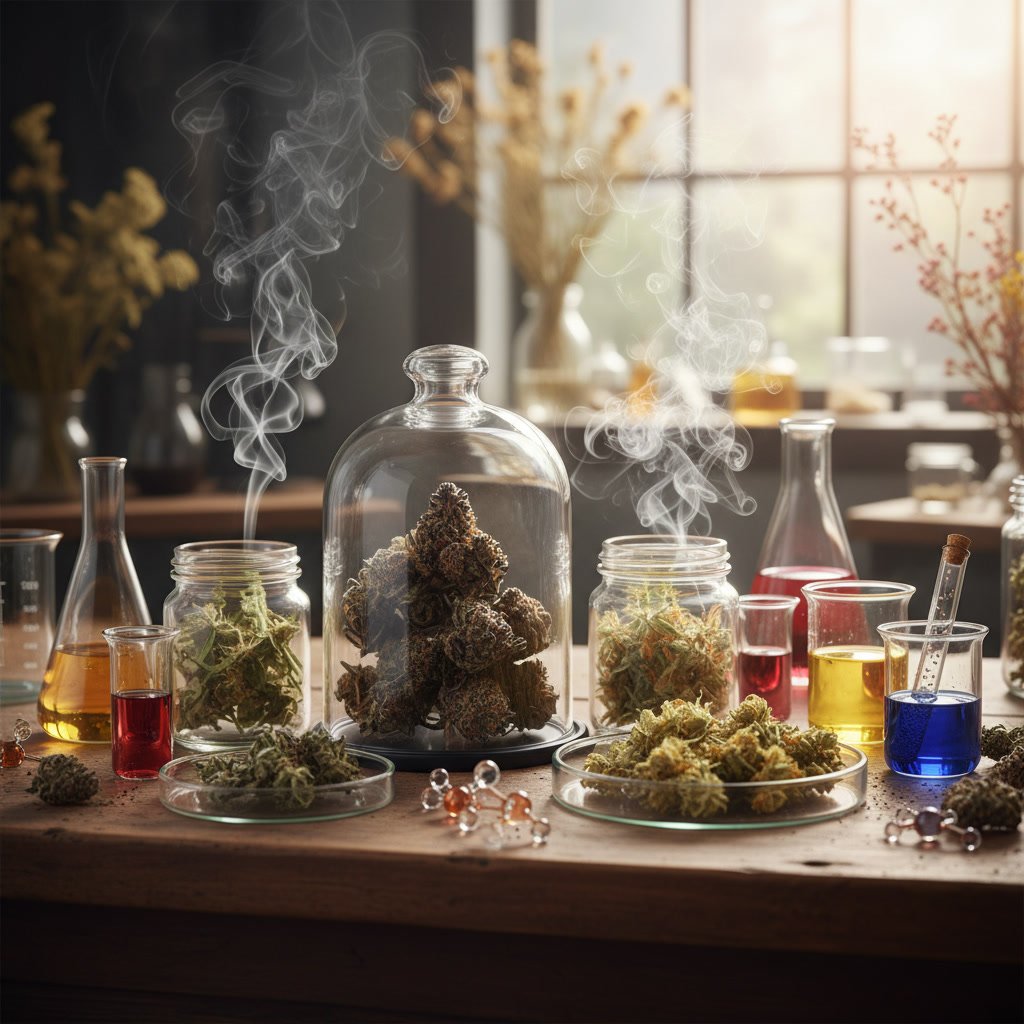
How Processing and Storage Affect Terpene Preservation in LaBelle
Terpenes begin degrading immediately after harvest. Improper drying temperatures above 70 degrees Fahrenheit cause rapid terpene loss, leaving flower with muted, hay-like aromas. Professional curing in controlled 60-65 degree environments with 55-62 percent humidity preserves maximum terpene content while preventing mold growth. This process typically requires 14 to 30 days depending on flower density.
Light exposure, especially UV rays, breaks down terpene molecules within hours. Flower stored in clear glass jars on sunny shelves loses 30 to 50 percent of its terpene profile within a week. Amber or opaque containers stored in cool, dark spaces maintain aroma and potency for months. At Kush Kingdom LLC, every product undergoes verification to ensure proper storage conditions before reaching customers.
Heat remains terpenes’ greatest enemy during consumption. Combustion temperatures above 450 degrees Fahrenheit destroy most terpenes before you inhale them, which is why smoking produces harsher flavor than vaporizing. Vaporizers set between 320 and 380 degrees release terpenes and cannabinoids without burning plant material, delivering fuller flavor and smoother throat feel.
Reading Lab Reports to Identify Terpene Content
Quality flower comes with certificates of analysis showing cannabinoid percentages and terpene profiles. These third-party lab reports list individual terpenes by name and concentration, typically measured in milligrams per gram or percentage of total weight. A robust terpene profile shows three to six terpenes above 0.2 percent concentration, with at least one dominant compound exceeding one percent.
Total terpene content between two and four percent indicates well-grown, properly cured flower. Concentrations below one percent suggest old product, poor storage, or mass-market cultivation that prioritizes yield over quality. The specific terpene ratios matter more than total volume because synergistic combinations produce stronger effects than any single compound in isolation.
Understanding these lab reports helps you make informed choices about which products match your needs. Similar principles apply when evaluating quality in other formats, as explained in our article on examining trichomes and structure for flower assessment.
Matching Terpene Profiles to Your Desired Experience
For daytime energy and focus, seek strains where limonene, pinene, or terpinolene dominate the terpene profile. These compounds promote alertness and mental clarity while counteracting sedative effects. Combined with moderate THC levels (12 to 18 percent), these profiles deliver functional effects suitable for active use.
Evening relaxation benefits from myrcene-dominant strains, especially when paired with linalool or caryophyllene. These combinations enhance physical relaxation and mental calm without excessive sedation in moderate doses. Higher concentrations (above one percent myrcene) typically produce stronger sedative effects ideal for sleep support.
Balanced hybrid experiences come from strains with diverse terpene profiles showing three or more compounds above 0.3 percent. This variety creates complex effects that shift based on dose and individual body chemistry. Such strains offer versatility for users who want options throughout the day without maintaining separate products.

Why Fresh Flower Smells Stronger Than Old Product
Terpene degradation follows predictable patterns over time. The lightest, most volatile terpenes such as pinene and limonene evaporate first, typically within 30 to 60 days of harvest even under ideal storage. Heavier terpenes like myrcene and caryophyllene persist longer but gradually oxidize into less aromatic compounds.
This degradation explains why six-month-old flower smells weaker and tastes harsher than fresh product, even when THC percentages remain stable. Cannabinoids degrade more slowly than terpenes, so old flower can still test high for potency while delivering disappointing flavor and diminished entourage effects. Purchasing from shops that rotate inventory frequently ensures you receive flower at peak freshness.
Common Terpene Myths Debunked by Science
The indica versus sativa classification system does not reliably predict terpene profiles or effects. Chemical analysis shows more terpene variation within indica or sativa categories than between them. A myrcene-heavy sativa can feel more relaxing than a pinene-rich indica because terpenes influence effects more than genetic ancestry.
Smell intensity does not directly correlate with potency. A strain with two percent total terpenes and 15 percent THC can smell stronger than one with one percent terpenes and 25 percent THC. Aroma indicates terpene preservation and quality, not necessarily cannabinoid concentration. Both factors contribute to the overall experience but measure different aspects of the product.
What Knowledgeable Staff Should Explain About Terpenes
Quality shops train staff to discuss terpene profiles as confidently as THC percentages. When you describe desired effects or mention strains you have enjoyed, informed budtenders should reference specific terpenes that might deliver similar experiences. This personalized guidance helps you discover new strains based on chemical composition rather than generic categories or brand marketing.
Staff should also explain how consumption method affects terpene delivery. Flower preserves full terpene profiles when properly stored, while some extraction processes for concentrates can strip delicate terpenes. Informed recommendations account for these differences to match products with your preferred consumption style and experience goals.
Finding Quality Flower With Verified Terpene Information
The journey to understanding how cannabis terpenes smell and function transforms your relationship with flower. Instead of relying on strain names or THC numbers alone, you can evaluate products based on the specific aromatic compounds that shape your experience. This knowledge empowers you to make selections aligned with your wellness goals and personal preferences.
Terpene awareness also helps you recognize quality and freshness at a glance. Fresh flower releases strong, distinct aromas when containers open, while degraded product smells muted or generically grassy. Seeking vendors who provide lab reports and maintain proper storage conditions ensures you receive the full benefits of these remarkable compounds.
Kush Kingdom LLC offers flower with complete lab testing and transparent terpene information because we understand how these compounds affect your experience. Our team can guide you through terpene profiles to find strains that match your specific needs. Visit us at 870 West Hickpochee Ave, unit 200, or call +18633732644 to speak with knowledgeable staff who prioritize your satisfaction and wellness.