
When your engine temperature climbs into the danger zone, you have a narrow window to prevent catastrophic damage. Recognizing car overheating signs early can mean the difference between a simple coolant top-off and a multi-thousand-dollar engine rebuild. Most drivers have between five and fifteen minutes from the first warning light to pull over safely before internal engine components begin warping from excessive heat.
Why Modern Engines Overheat More Quickly Than You Think
Today’s engines run hotter and tighter than previous generations. Manufacturers design them to operate within a narrow temperature range for optimal fuel efficiency and emissions control. This precision comes with a tradeoff: when something goes wrong, temperatures spike faster than in older, more forgiving designs.
The cooling system in your vehicle moves heat away from combustion chambers through a network of hoses, a radiator, water pump, and thermostat. A single failure point in this chain can cause temperatures to climb from normal operating range (around 195 to 220 degrees Fahrenheit) to dangerous levels above 240 degrees in just minutes. At temperatures above 260 degrees, aluminum cylinder heads begin to warp, and head gaskets fail.
The Temperature Gauge Climbs Into the Red Zone
Your temperature gauge is the most obvious indicator. In most vehicles, normal operating temperature sits at the halfway mark or slightly below. When the needle creeps past three-quarters or enters the red zone, your engine is running dangerously hot.
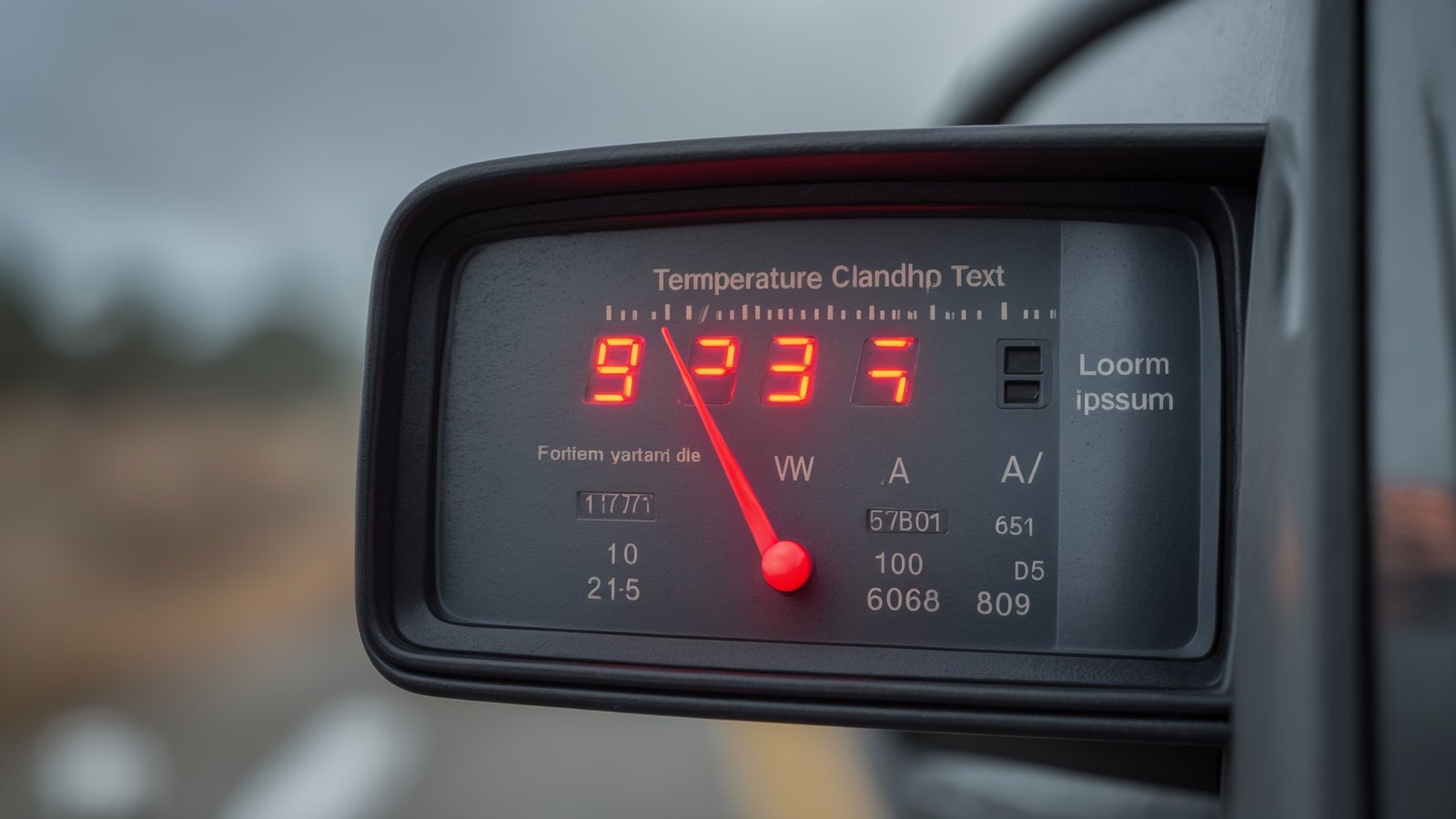
Some newer vehicles replace traditional gauges with warning lights only. A red thermometer icon or the word “HOT” illuminated on your dashboard requires the same response as a gauge in the red. Do not wait to see if it resolves on its own.
Steam or Smoke Rising From Under the Hood
Visible steam billowing from the edges of your hood means coolant is boiling and escaping as vapor. This happens when the cooling system loses pressure or coolant levels drop too low for the remaining fluid to absorb engine heat effectively.
White steam differs from darker smoke, which can indicate oil burning or other mechanical problems. Either situation demands you pull over immediately. Continuing to drive with steam pouring from the engine bay will cause permanent damage within minutes.
Strange Smells Coming Through the Vents in Seattle Traffic
A sweet, syrupy smell indicates coolant is leaking and burning on hot engine surfaces. Coolant contains ethylene glycol, which produces a distinctive sugary odor when heated. If you smell this while stuck in traffic on I-5 or sitting at a light in downtown Seattle, WA 98134, check your temperature gauge immediately.
A burning smell combined with temperature warnings suggests your engine is already overheating. The odor comes from gaskets, belts, or other rubber and plastic components beginning to degrade from excessive heat.
The Engine Loses Power or Runs Rough
Overheating affects combustion efficiency. As temperatures climb, the engine control unit may reduce power output to prevent damage, a process called derating. You might notice sluggish acceleration, hesitation, or the engine struggling to maintain highway speeds.
In severe cases, the engine may run rough, misfire, or even stall. These symptoms indicate the overheating has already begun affecting internal components. Metal expands when heated, and excessive temperatures can cause pistons to scrape cylinder walls or valves to stick in their guides.
Coolant Warning Light Activates
Many vehicles have a separate low coolant warning light. This indicator means the system has detected insufficient coolant to maintain proper circulation. Low coolant is one of the most common causes of overheating.
If this light appears alongside rising temperature readings, do not add coolant while the engine is hot. The system is under pressure, and removing the radiator cap can cause boiling coolant to spray out, causing severe burns. Instead, call for roadside assistance and let the engine cool for at least 30 minutes before attempting any intervention.
What to Do the Moment You Notice Overheating
Pull over to a safe location as quickly as possible. Turn off the air conditioning to reduce the load on the engine, but turn the heater to maximum. This diverts heat from the engine into the cabin, providing temporary relief to the cooling system.
Once stopped, turn off the engine. Do not attempt to open the hood for at least 15 minutes. The cooling system remains under extreme pressure when hot, and releasing that pressure suddenly can cause injury. While you wait, assess whether you can safely add coolant or if you need professional help.
If you are on a busy highway, stranded in an unsafe area, or unsure about the cause, professional assistance is the safest choice. Attempting repairs without proper knowledge can worsen the problem or put you at risk.
Common Causes That Trigger These Warning Signs
Understanding why overheating happens helps you prevent future incidents. The most frequent culprits include:
- Low coolant levels from leaks in hoses, radiator, or water pump
- Faulty thermostat stuck in the closed position, blocking coolant flow
- Failed water pump that cannot circulate coolant through the system
- Clogged radiator fins from debris or internal corrosion
- Broken cooling fan or fan relay, especially noticeable in stop-and-go traffic
- Blown head gasket allowing combustion gases into the cooling system
A professional diagnostic can identify the specific failure point. Some issues, like a loose hose clamp, take minutes to fix. Others, like a blown head gasket, require extensive engine work. If your vehicle has already overheated severely, internal damage may have occurred even if it seems to run normally after cooling down.
Why Continuing to Drive Causes Exponential Damage
Aluminum cylinder heads warp at temperatures above 260 degrees. Once warped, they no longer seal properly against the engine block, leading to head gasket failure. Repairing this damage requires removing the cylinder head, machining it flat again, and replacing the gasket, a job that costs thousands of dollars in parts and labor.
Pistons can seize inside cylinders when metal-to-metal clearances shrink from thermal expansion. A seized engine is often beyond economical repair, especially in older vehicles. The repair cost can exceed the vehicle’s value, turning a running car into one that needs removal as a non-running vehicle.
Engine oil loses its lubricating properties when overheated. It breaks down chemically and can turn into sludge that clogs oil passages. Without proper lubrication, bearings wear rapidly, and moving parts grind against each other, accelerating failure.
When Roadside Assistance Is Your Best Option
If you are not mechanically inclined, lack tools, or the problem seems beyond a simple fix, calling for help prevents both safety risks and additional damage. Professional technicians arrive with diagnostic equipment, proper coolant, and the knowledge to assess whether your vehicle needs towing or can be driven after minor repairs.

Overheating in extreme weather, on a steep grade, or while towing puts additional stress on the engine. In these situations, even if you manage to cool the engine temporarily, the underlying problem will likely cause it to overheat again within miles. Professional assessment ensures you do not end up stranded a second time.
Services include coolant delivery, temporary repairs, or safe transport to a repair facility. The cost of assistance is a fraction of what you will pay if continued driving destroys the engine. Response times vary based on your location and traffic conditions, but most providers aim to reach you within 30 to 45 minutes.
Protecting Your Engine Before Damage Becomes Permanent
Catching overheating early protects your investment. Regular maintenance keeps the cooling system functioning properly. Check coolant levels monthly, inspect hoses for cracks or soft spots, and flush the system according to your manufacturer’s schedule, typically every 30,000 to 50,000 miles.
Watch for small leaks before they become big problems. A few drops of coolant on your driveway can indicate a failing hose or gasket. Addressing these minor issues costs far less than repairing damage from a catastrophic overheat.
When warning signs appear, treat them as urgent. The temperature gauge does not lie, and steam from the hood is never normal. Quick action preserves your engine and keeps you safe on the road.
Smith Towing provides fast response for drivers experiencing engine overheating and other mechanical emergencies throughout the Seattle area. Our technicians assess the situation, provide on-site solutions when possible, and safely transport your vehicle when repairs require a shop. If you notice any of these warning signs, pull over safely and call (863) 373-2644 for immediate assistance that protects both you and your engine from further harm.