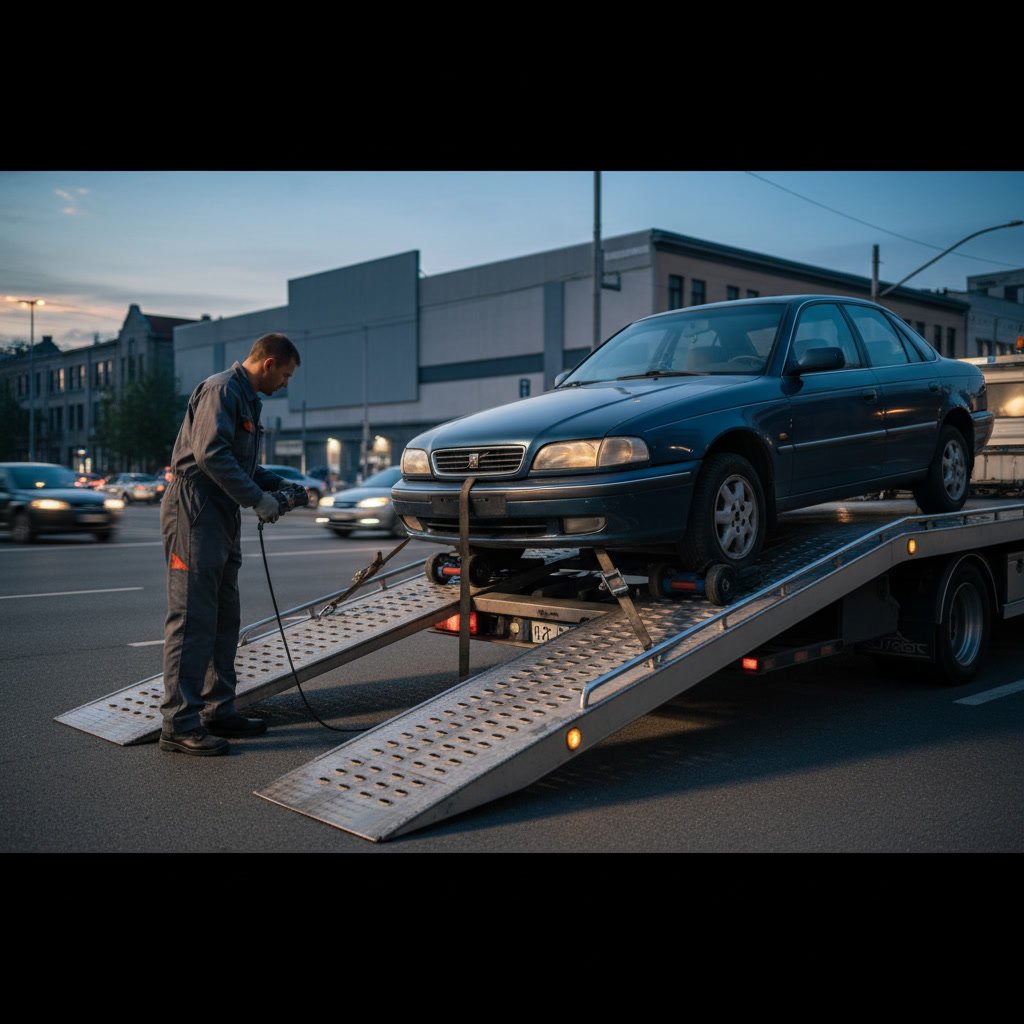
That old sedan rusting in your driveway isn’t just an eyesore. It’s money sitting idle, and you’re probably wondering what it’s actually worth. Understanding junk car removal Edmond cost helps you set realistic expectations and avoid lowball offers that leave hundreds of dollars on the table. This guide breaks down typical pricing ranges, the specific factors that determine your payout, and how to get the maximum value for your vehicle when it’s time to say goodbye.
Whether your car runs or not, local buyers evaluate dozens of variables before making an offer. Knowing these factors puts you in control of the negotiation and helps you identify fair offers from predatory ones.
Typical Junk Car Removal Pricing in Edmond
Most junk cars in Edmond sell for between $150 and $600, though this range shifts significantly based on your vehicle’s condition and characteristics. Smaller sedans with extensive damage typically fall on the lower end, while larger trucks or SUVs with salvageable parts command higher prices.
Vehicles that still run, even poorly, generally fetch $300 to $800 because they offer more parts worth reselling. Non-running cars with severe body damage usually bring $100 to $350, depending primarily on weight and metal content. Luxury vehicles or those with newer model years can exceed these ranges substantially, sometimes reaching $1,000 or more if parts demand is high.
The junk car removal Edmond cost to you as the seller should be zero. Reputable buyers include free towing in their service, meaning the quoted price is what you actually receive. If a buyer mentions towing fees or pickup charges, that’s a red flag worth questioning.
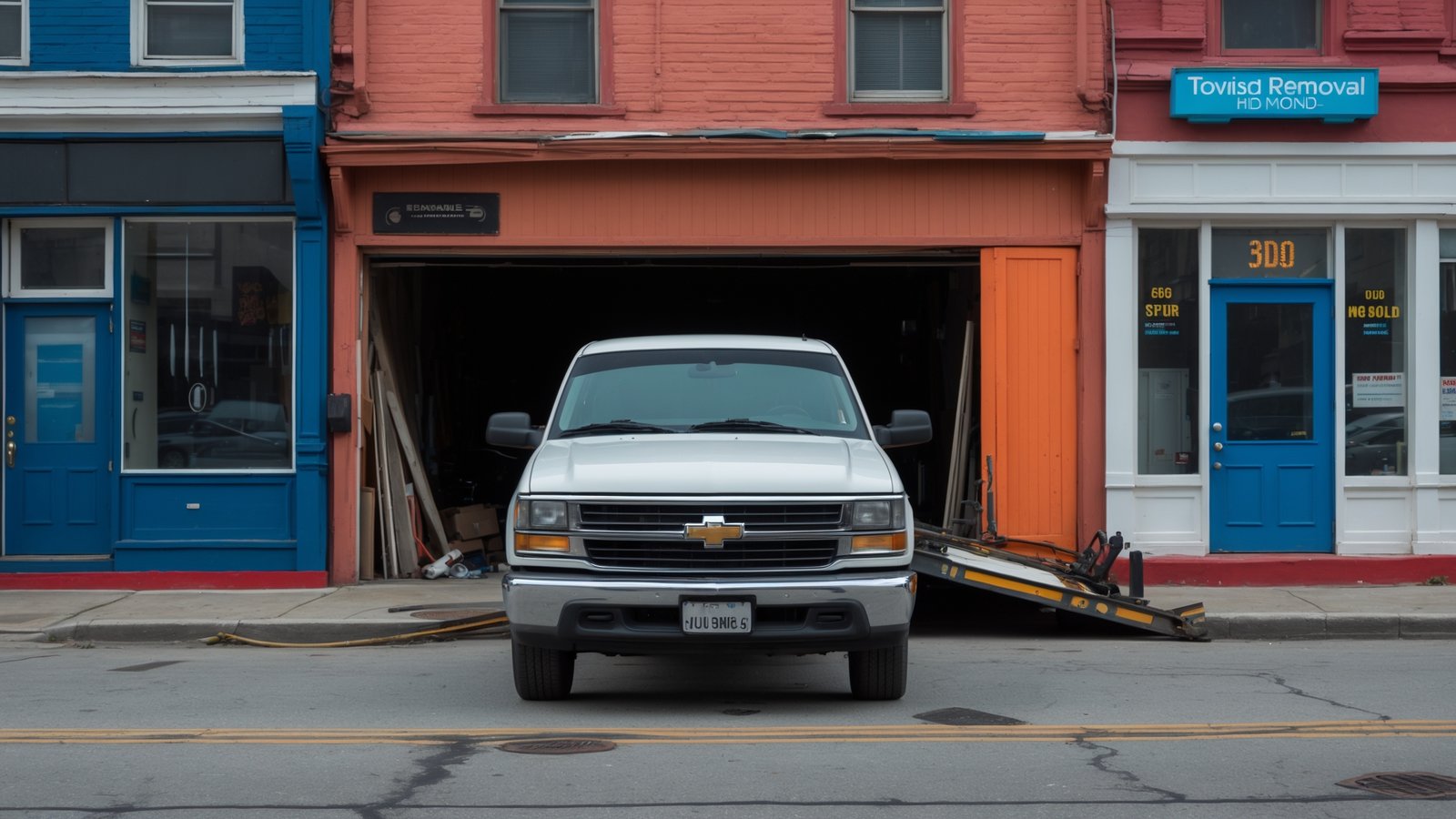
Primary Factors That Determine Your Payout
Buyers don’t pull numbers from thin air. They assess specific characteristics that directly impact what they can recover from your vehicle through parts resale or scrap metal processing.
Vehicle Make, Model, and Year
Popular models with high parts demand earn more because buyers can quickly resell components like transmissions, engines, and body panels. A 2010 Honda Accord will typically fetch more than a 2005 obscure import because mechanics and DIY enthusiasts actively search for Honda parts.
Newer vehicles contain more valuable materials and electronics. A 10-year-old car generally brings better offers than a 25-year-old equivalent, even if both are non-functional.
Current Weight and Scrap Metal Prices
Scrap metal markets fluctuate monthly based on global commodity prices. Heavier vehicles contain more steel and aluminum, directly increasing their baseline value. A full-size pickup weighing 4,500 pounds has a higher scrap floor than a compact car at 2,800 pounds.
Current scrap steel prices in the Seattle area typically range from $100 to $200 per ton, though this changes with market conditions. Aluminum components like wheels, engine blocks, and transmissions command premium prices, sometimes $0.50 to $0.75 per pound.
Working Condition and Salvageable Parts
A car that starts and drives, even if barely, is worth substantially more than an identical non-running model. Working engines, transmissions, and catalytic converters are high-value components that buyers can resell for hundreds of dollars each.
Even non-running vehicles have valuable parts. Good tires, intact airbags, functional electronics, and undamaged body panels all add to your payout. If your car suffered front-end collision damage but the rear suspension and differential are intact, those components still hold significant value.
Catalytic converters have become particularly valuable due to the precious metals they contain. Depending on the vehicle type and converter condition, this single component can add $50 to $300 to your offer.
Title Status and Documentation
Clean titles bring higher offers because they simplify the buyer’s resale process. If you have a salvage title or no title at all, expect reduced offers, typically 20% to 40% lower than equivalent vehicles with clean documentation.
Washington State allows title-free junk car sales in certain circumstances, but the process requires additional paperwork that some buyers prefer to avoid. Having your title ready speeds up the transaction and often results in better pricing.
How Location Affects Junk Car Removal Edmond Cost
Geographic factors influence pricing more than many sellers realize. Edmond’s proximity to larger salvage yards and scrap processors in Seattle, WA 98134 generally works in sellers’ favor compared to more remote areas.
Transportation costs impact what buyers can offer. A junk car in downtown Edmond accessible from major roads costs the buyer less to retrieve than one on a steep driveway or requiring special equipment. If your vehicle sits in a difficult location, mention this upfront so buyers can account for it in their quote rather than reducing the offer at pickup.
Local demand for specific parts also varies. If you’re comparing offers, similar processes apply throughout the region, and understanding how to get rid of a junk car that doesn’t run in Seattle can provide additional perspective on regional pricing standards.
Hidden Value Most Sellers Overlook
Many car owners focus solely on the vehicle’s obvious problems and miss components that significantly increase value. Knowing what buyers prize helps you negotiate better and choose the right buyer.
High-Demand Components
Certain parts command premium prices regardless of overall vehicle condition. GPS navigation systems, backup cameras, and modern infotainment screens are expensive to replace and sell quickly. If your junk car has these features, mention them explicitly when getting quotes.
Leather seats in good condition, alloy wheels without curb damage, and working air conditioning compressors all add value. Even headlight and taillight assemblies can bring $50 to $150 each if they’re intact and free from cracks.
Precious Metals Beyond the Catalytic Converter
Modern vehicles contain small amounts of platinum, palladium, and rhodium in various components beyond the catalytic converter. Oxygen sensors, certain electrical contacts, and computer chips all contain trace amounts that add up.
Copper wiring throughout the vehicle also holds significant value. While you shouldn’t strip components yourself before sale, knowing these materials exist helps you understand why offers vary and ensures you’re getting paid for this hidden value.
Getting Accurate Quotes and Avoiding Lowball Offers
The quote you receive over the phone should match what you’re paid at pickup. Protecting yourself from bait-and-switch tactics requires preparation and knowing what information legitimate buyers need.
Provide accurate details when requesting quotes. Be honest about the vehicle’s condition, including whether it runs, extent of body damage, mileage, and any missing major components. Misrepresenting your car’s state leads to reduced offers at pickup and wastes everyone’s time.
Get at least three quotes before deciding. Pricing varies significantly between buyers based on their current inventory needs, parts demand, and business models. One buyer might need your specific transmission, creating competition that drives up your payout.
Pro Tip: Ask potential buyers to itemize their offer. Knowing they’re valuing your catalytic converter at $150, scrap metal at $180, and resale parts at $120 helps you verify the quote is comprehensive and fair.
Watch for buyers who refuse to provide firm quotes or insist they must see the vehicle first before discussing price. While final offers may adjust slightly based on in-person inspection, reputable buyers provide close estimates based on accurate descriptions.
Preparing Your Vehicle to Maximize Payout
Simple preparation steps can add $50 to $150 to your final payout without significant effort. These actions demonstrate the vehicle’s value and make assessment easier for buyers.
Remove all personal belongings and thoroughly check hidden compartments like the glove box, center console, trunk, and under seats. Buyers won’t pay extra for your forgotten sunglasses, but presenting a clean vehicle suggests it was well-maintained.
Gather maintenance records if available. Documentation showing regular oil changes, timing belt replacement, or major repairs indicates valuable components may have more life left, potentially increasing offers for parts like the engine or transmission.
If the vehicle runs, consider whether investing in a small repair might significantly increase value. A $30 battery that gets the car running could add $200 to your payout. However, avoid extensive repairs on a vehicle you’re scrapping; this rarely provides positive return on investment.
The preparation process mirrors what you’d do elsewhere in the region. If you want detailed preparation guidance, reviewing how to prepare your junk car for pickup and removal in Redmond offers comprehensive steps that apply equally well in Edmond.
The Junk Car Removal Process and Timeline
Understanding what happens from quote to payout helps you plan accordingly and ensures the transaction proceeds smoothly.
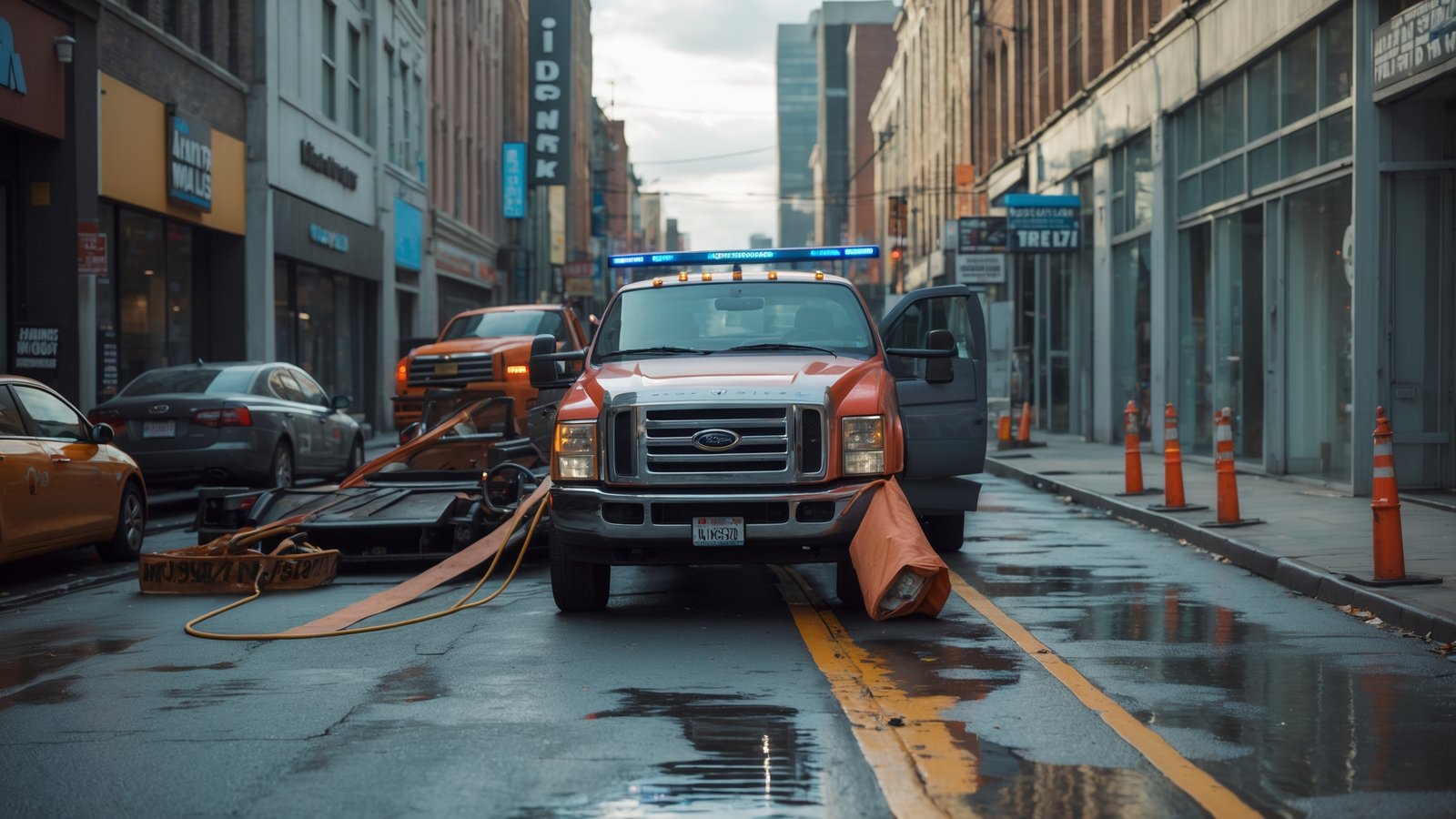
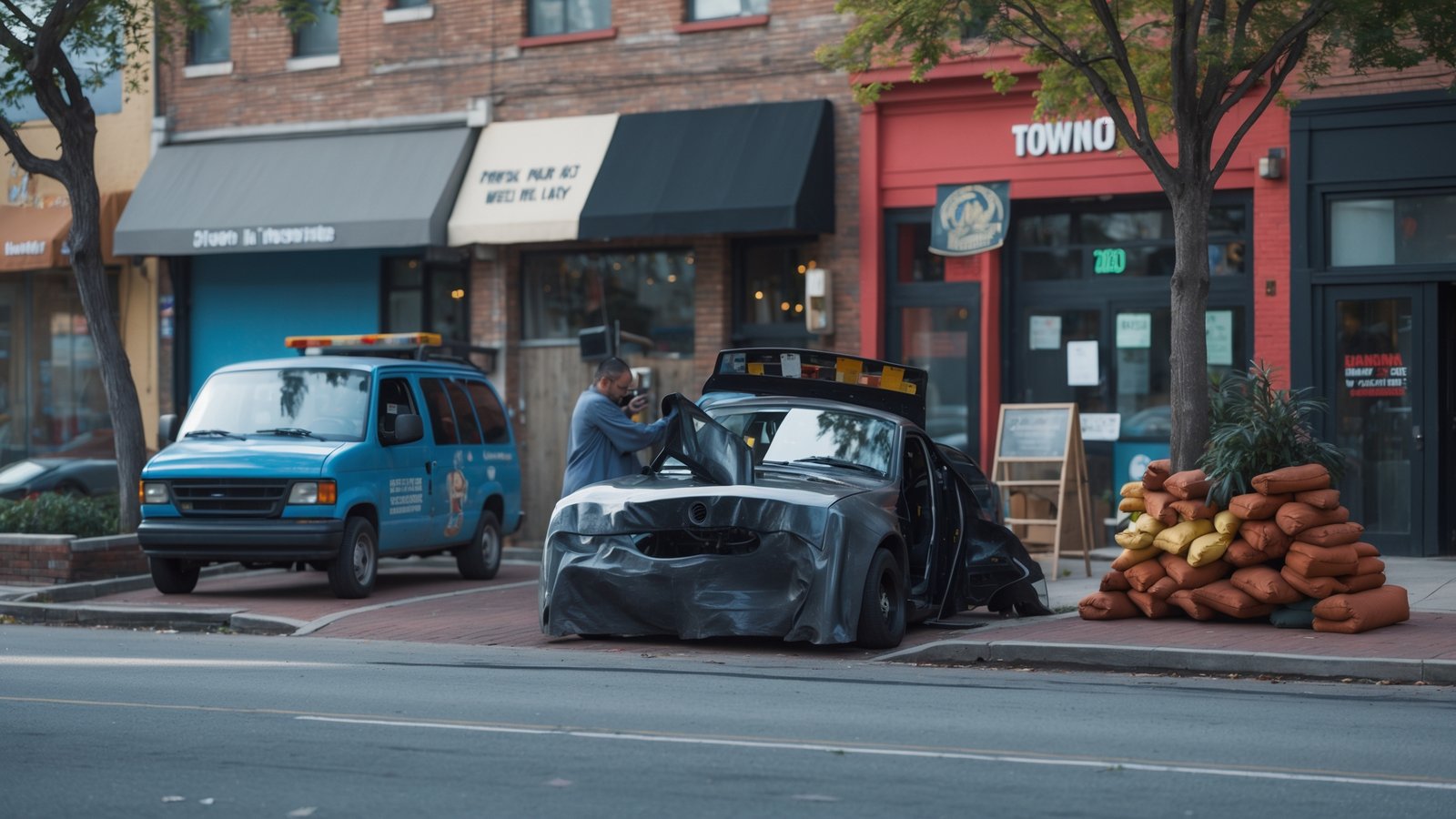
After accepting a quote, most buyers schedule pickup within 24 to 72 hours based on your availability. They bring a tow truck and payment, typically cash or check. The driver inspects the vehicle briefly to confirm it matches the description you provided.
You’ll sign a bill of sale and transfer the title if you have one. The buyer provides a receipt for your records. The entire pickup process usually takes 15 to 30 minutes unless complications arise with vehicle access or documentation.
If you can’t locate your title, don’t panic. Washington State offers duplicate title services through the Department of Licensing, typically processed within 10 business days. Some buyers proceed without titles using alternative documentation, though this reduces offers as mentioned earlier.
After removal, you should receive payment immediately or within 24 hours if the buyer needs to verify funds. Never accept promises of payment “after we process the vehicle.” Legitimate buyers pay on the spot.
When to Sell Versus Repair
Not every non-running car belongs in the junkyard. Certain situations warrant repair instead, and understanding the break-even point prevents premature disposal of fixable vehicles.
Calculate the repair cost versus the vehicle’s running value. If a $600 repair makes a car worth $3,500 instead of $300 as junk, repairing makes financial sense. However, if that same repair only increases value to $1,200, selling as-is usually wins.
Consider the vehicle’s role in your life. A second car you rarely drive has different value than your primary transportation. Factor in insurance costs, registration fees, and storage space when deciding whether holding onto a broken vehicle makes sense.
Age and reliability matter too. A 20-year-old car needing a $1,500 transmission repair will likely need additional expensive work soon. Serial repairs on aging vehicles rarely prove cost-effective compared to replacement.
If your car just needs a roadside assistance jump or minor service, exploring that option before scrapping ensures you’re making the right decision.
Understanding Buyer Types and Their Offers
Different buyers operate under different business models, directly affecting what they can pay. Recognizing these types helps you target your search effectively.
Auto salvage yards dismantle vehicles and sell individual parts. They typically offer competitive prices because they profit from multiple revenue streams including parts sales, scrap metal, and core returns. These businesses usually provide the best payouts for vehicles with valuable components.
Scrap metal recyclers focus primarily on weight and metal content. They offer consistent pricing based on current commodity markets but may pay less for vehicles with valuable salvageable parts since they’re not equipped to harvest and resell components.
Private individuals sometimes buy junk cars for personal projects or parts. They might pay premium prices for specific models but often lack immediate cash or professional towing equipment, complicating the transaction.
Online junk car buyers operate as intermediaries, connecting sellers with local processors. They offer convenience but typically take a commission, potentially reducing your payout by 10% to 20% compared to dealing directly with local buyers.
Legal and Environmental Considerations
Properly disposing of a junk car involves more than just getting paid. Washington State regulations require specific procedures that protect both you and the environment.
Report the sale to the Department of Licensing within five days to avoid liability if the buyer uses the vehicle illegally before processing it. This simple step protects you from parking tickets, towing fees, or worse if the car appears in an incident after you’ve sold it.
Responsible buyers handle hazardous materials properly. Vehicles contain oils, fluids, refrigerants, and battery acid that require special disposal. Licensed salvage operations follow environmental regulations, whereas unlicensed operators may dump these materials illegally, creating pollution and potential legal issues.
Verify your buyer is licensed and insured. Washington State requires vehicle wreckers to maintain proper licensing. Asking for credentials takes 30 seconds and ensures you’re dealing with a legitimate operation.
How Smith Towing Handles Junk Car Removal
Professional junk car removal services streamline the entire process and often provide better payouts than you’d find through classified ads or random buyers. Smith Towing serves Edmond and surrounding areas with transparent pricing and same-day pickup options.
The assessment process starts with a phone call where you describe your vehicle’s make, model, year, condition, and location. Based on this information, you receive a firm quote that won’t change at pickup unless the vehicle’s condition was misrepresented.
Free towing is included throughout the service area. No hidden fees, no surprise deductions, and no complicated paperwork beyond standard title transfer. The driver handles loading with professional equipment, and you receive payment immediately upon signing the bill of sale.
If you’ve considered selling elsewhere in the region, the same quality standards apply. Understanding how to sell your junk car in Kirkland for cash reveals similar processes, pricing transparency, and professional service expectations.
Frequently Asked Questions
Do I need a title to sell my junk car in Edmond?
While having a title is preferred and typically results in higher offers, Washington State allows junk car sales without titles in certain circumstances. You’ll need alternative documentation like registration and a valid ID. Expect offers to be 20% to 40% lower without a title because buyers face additional processing requirements.
How quickly can I get my junk car picked up?
Most junk car buyers in Edmond offer pickup within 24 to 72 hours of accepting a quote. Some services provide same-day removal if you call early and have flexible timing. Scheduling depends on your location accessibility and the buyer’s current route, but waiting more than three days is unusual with professional services.
What if my junk car is not drivable or has flat tires?
Non-running vehicles and cars with flat tires are standard for junk removal services. Professional buyers bring flatbed or wheel-lift tow trucks specifically designed to handle non-operational vehicles. This shouldn’t reduce your payout as long as you disclosed the vehicle’s condition when getting your quote. The removal equipment and process are identical to what’s used throughout the region.
Can I sell a car that has been in an accident or has flood damage?
Accident-damaged and flood-damaged vehicles are absolutely sellable as junk cars. Disclose the damage type when requesting quotes so buyers can assess which parts remain salvageable. Flood damage typically reduces offers more than collision damage because water affects electronics and creates hidden corrosion issues, while collision damage is usually localized to specific areas.
Will removing parts myself before selling increase my total payout?
This rarely works in your favor. Buyers evaluate vehicles as complete units, and removing parts typically decreases the offer more than you’d earn selling components separately. You also risk damaging surrounding parts during removal. The exception is high-value aftermarket additions like custom wheels or stereo systems that you want to keep or sell privately. Always inform buyers of any removed components when getting quotes.
Making the Right Decision for Your Situation
Understanding junk car removal Edmond cost empowers you to make informed decisions and secure fair payment for your vehicle. The market offers reasonable compensation for most junk cars, but maximizing your payout requires knowing what buyers value, preparing properly, and choosing reputable services over opportunistic buyers.
Whether your car runs or sits immobile, has clean title or documentation issues, professional buyers throughout the area provide transparent pricing and convenient service. Getting multiple quotes, asking detailed questions, and verifying buyer credentials takes minimal time and often adds hundreds of dollars to your final payout.
If you’re ready to turn that unwanted vehicle into cash, Smith Towing provides free junk car removal throughout Edmond with competitive pricing and professional service. Call +18633732644 for a no-obligation quote and same-day pickup scheduling.