That old car sitting in your driveway or garage isn’t going to fix itself. When a vehicle stops running and the repair costs exceed its value, you’re left with a metal paperweight taking up valuable space. If you need junk car removal Seattle services, you have several options, but not all of them are created equal. This guide walks you through the entire process, from understanding your legal obligations to choosing the best removal method for your situation.
Whether your car has a blown engine, transmission failure, or simply died of old age, getting rid of it doesn’t have to be complicated or expensive. In fact, you can often make money while freeing up that parking spot.
Why You Should Remove Your Junk Car Sooner Rather Than Later
A non-running vehicle depreciates rapidly. What might be worth $500 today could be worth $300 in six months as parts corrode and rubber components deteriorate. Seattle’s wet climate accelerates this process, with moisture causing rust and mold growth that decreases salvage value.
Beyond the financial loss, there are practical concerns. The city of Seattle can issue citations for abandoned or inoperable vehicles visible from the street. Neighbors may complain, and if you’re renting, your landlord might threaten lease violations.
Junk cars also attract pests. Rodents nest in engine compartments and interiors, potentially migrating to your home. Leaking fluids contaminate soil and groundwater, creating environmental hazards that could result in cleanup costs far exceeding the car’s value.
Your Options for Junk Car Removal Seattle Residents Can Use
You have four primary methods for removing a junk car in Seattle. Each has distinct advantages depending on your priorities, timeline, and the vehicle’s condition.
Sell to a Junk Car Buyer or Salvage Yard
Professional junk car buyers purchase vehicles for their scrap metal and salvageable parts. Most offer free towing and can complete the transaction within 24 to 48 hours. You’ll typically receive between $100 and $1,000 depending on the vehicle’s weight, make, model, and current scrap metal prices.
The process is straightforward. You contact the buyer, provide basic vehicle information, receive a quote, and schedule pickup. They handle all towing logistics and usually pay cash or check on the spot.
Donate Your Vehicle
Several charities accept non-running vehicles as tax-deductible donations. Organizations like Kars4Kids and Habitat for Humanity have Seattle-area programs. They arrange free pickup and provide a tax receipt for the vehicle’s fair market value or sale price.
The tax deduction might exceed what you’d receive selling to a salvage yard, especially if you’re in a higher tax bracket. However, you must itemize deductions to benefit, and the actual value depends on whether the charity sells or uses the vehicle.
Part It Out Yourself
If the engine is dead but other components work, selling parts individually through Craigslist, Facebook Marketplace, or eBay Motors can maximize returns. A working transmission might fetch $300 to $800, while catalytic converters can be worth $100 to $500 depending on metal content.
This approach requires significant time, mechanical knowledge, and storage space. You’ll need to handle dozens of inquiries, meet buyers, and eventually arrange disposal of the remaining shell. For most people, the extra money isn’t worth months of hassle.
Use a Professional Towing and Removal Service
Companies that specialize in junk car removal offer the most convenient solution. They provide immediate pickup, handle all paperwork, and often pay competitive rates. Unlike general salvage yards, these services focus on customer experience rather than just scrap processing.
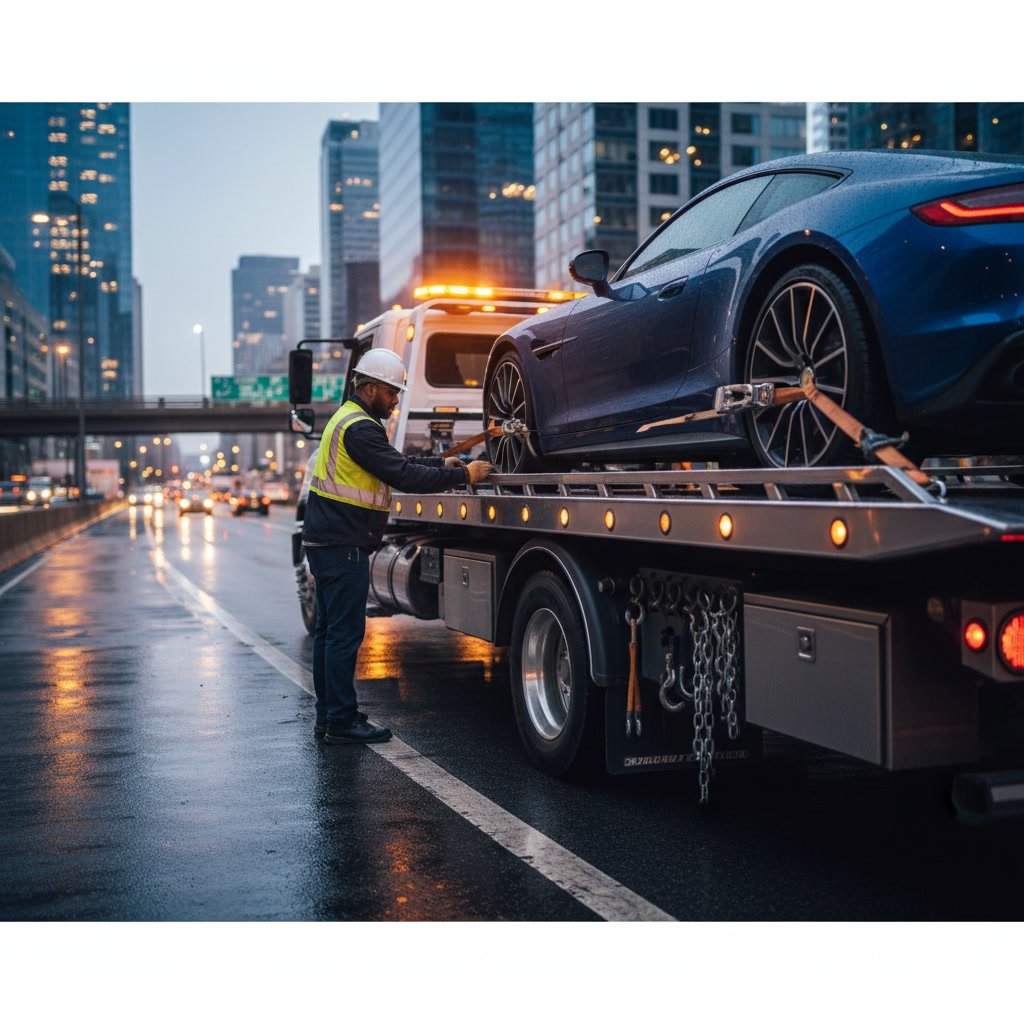
Smith Towing offers junk car removal Seattle area residents trust, with same-day or next-day service throughout Seattle, Redmond, Kirkland, and Edmond. The process takes 20 minutes from arrival to payment, and there are no hidden fees or towing charges.
Legal Requirements for Disposing of a Junk Car in Washington State
Washington State has specific regulations governing vehicle disposal. Failing to follow these rules can result in fines, continued liability for the vehicle, or difficulty transferring the title.
You must notify the Department of Licensing within five days of selling or transferring the vehicle. This is done through the Vehicle/Vessel Bill of Sale (Form TD-420-065) or online through the DOL website. This step releases you from liability for parking tickets, accidents, or other issues involving the vehicle after transfer.
The title must be signed over to the buyer or removal service. If you’ve lost the title, you can apply for a duplicate through the DOL for $18. Some junk car buyers will purchase vehicles without titles if you can prove ownership with registration, but having the title speeds the process and often increases the offer.
Remove the license plates before the vehicle is towed. You can return plates to any DOL office or transfer them to another vehicle. Leaving plates on a junked car can lead to tolls, tickets, or other charges being sent to your address.
Pro Tip: Take photos of the vehicle’s condition and the odometer reading before transfer. Keep copies of all paperwork, including the bill of sale and DOL notification confirmation. This documentation protects you if disputes arise later.
How Much Money Can You Get for a Junk Car in Seattle
Several factors determine your junk car’s value. Understanding these helps you evaluate offers and avoid lowball quotes.
Weight and Metal Content
Scrap metal prices fluctuate based on global commodity markets. As of 2024, scrap steel averages $150 to $250 per ton. A typical sedan weighs 3,000 to 4,000 pounds, translating to roughly $225 to $500 in scrap value before processing costs.
Larger vehicles like trucks and SUVs contain more metal and command higher prices. A full-size pickup might bring $400 to $800 even when completely non-functional.
Make, Model, and Demand for Parts
Popular vehicles with high parts demand fetch premium prices. A 2005 Honda Accord that doesn’t run is worth more than a 1998 Pontiac Grand Am because mechanics and DIYers actively seek Accord parts.
Luxury vehicles can be valuable even when non-running if parts are in demand. A BMW with a seized engine might still have a working navigation system, leather seats, and electronics worth hundreds to parts dealers.
Condition of Major Components
A car with a dead engine but good transmission, body panels, and electronics is worth more than a rust bucket. Be honest about condition when requesting quotes, but also mention any valuable components that work.
Catalytic converters significantly impact value due to precious metals like platinum and palladium. Buyers specifically ask about these components, and their presence can add $100 to $400 to your offer.
The Step-by-Step Process to Remove Your Junk Car
Once you’ve decided to dispose of your non-running vehicle, follow this process for a smooth, quick transaction.
Step 1: Gather Necessary Documents
Locate the vehicle title, current registration, and your driver’s license or ID. If multiple people are on the title, all must sign or provide notarized permission. Having these ready when you call saves time and ensures you receive payment immediately.
Step 2: Remove Personal Belongings and Valuables
Check every compartment, including the glove box, center console, trunk, and under seats. People commonly forget toll passes, garage door openers, insurance cards, and personal documents. Once the vehicle is towed, retrieving items becomes difficult or impossible.
Also remove or cancel any connected services. If the car has satellite radio, OnStar, or a parking pass tied to the license plate, cancel or transfer these before pickup.
Step 3: Get Multiple Quotes
Contact at least three junk car buyers to compare offers. Provide accurate information about the year, make, model, mileage, and condition. Ask whether the quote includes free towing and when they can pick up the vehicle.
Beware of quotes that seem too high. Some companies offer inflated phone quotes, then reduce the price upon inspection. Reputable services provide realistic estimates that don’t change unless you misrepresented the vehicle.
Step 4: Schedule Pickup
Choose a buyer and schedule a convenient pickup time. Confirm whether they need the keys (most do, even for non-running cars, to put the vehicle in neutral). Ask how long the process takes and what forms of payment they offer.
Make sure someone 18 or older with valid ID is present to sign paperwork and receive payment. The person doesn’t have to be the title holder if you’ve already signed it over, but they should have authority to release the vehicle.
Step 5: Complete the Transfer
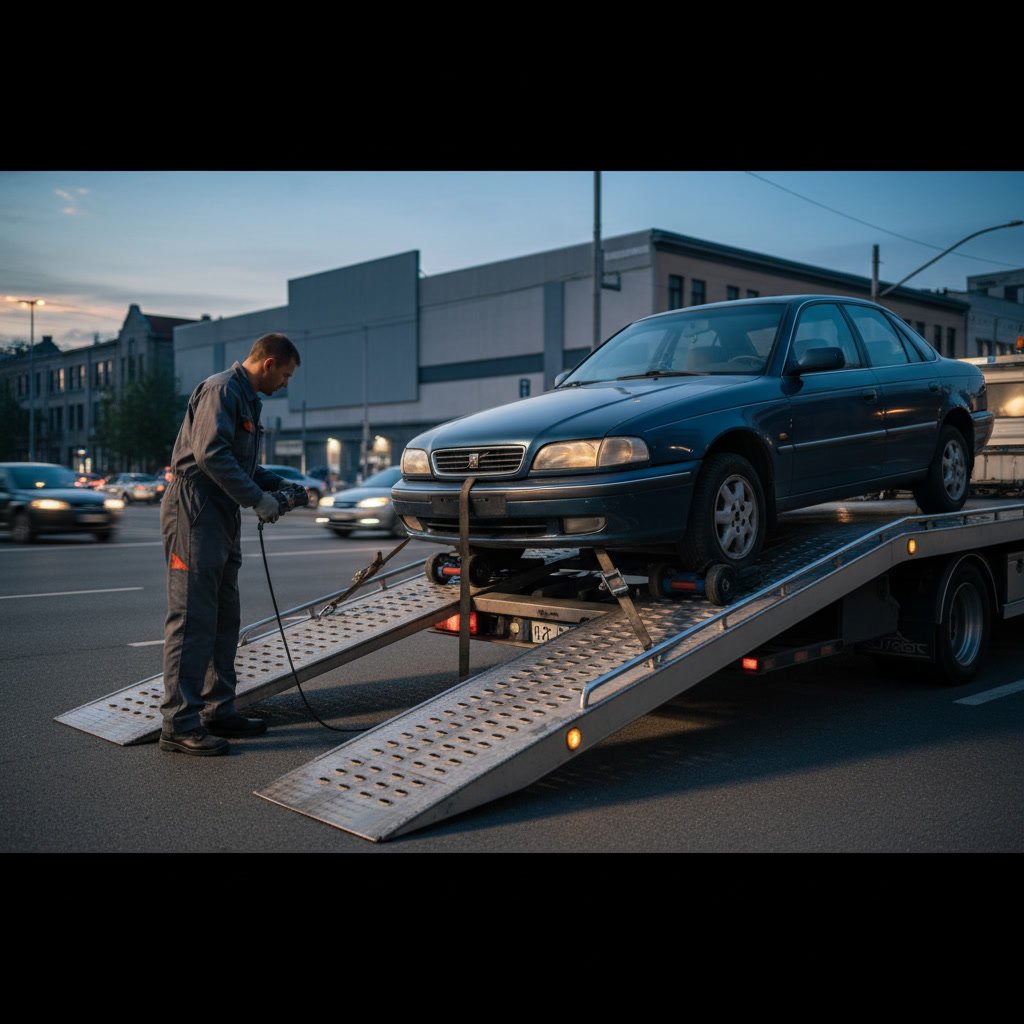
When the tow truck arrives, the driver will inspect the vehicle to verify it matches the description. If everything checks out, you’ll sign the title transfer section and bill of sale. The driver provides payment and gives you copies of all documents.
Immediately file the bill of sale with the Washington DOL to release liability. You can do this online at dol.wa.gov or by mailing Form TD-420-065. Don’t skip this step, it’s your legal protection.
Common Mistakes to Avoid When Getting Rid of a Junk Car
Many people lose money or create legal headaches by making preventable errors during the junk car removal process.
Never accept a verbal agreement without documentation. Always get the offer in writing, even if it’s just a text message or email. Unscrupulous buyers sometimes claim they quoted a lower amount than you remember.
Don’t leave the title blank or sign it without filling in the buyer’s information. This creates an open title that anyone can use, potentially making you liable for what happens to the vehicle next. Fill in all required fields or have the buyer complete them while you watch.
Avoid buyers who want to pay by check from an unknown bank or who ask you to cash a check and send them the difference. These are common scams. Legitimate junk car buyers pay with cash, company checks from local banks, or verified electronic transfers.
Don’t let a buyer pressure you into accepting a lower price than quoted. If the offer changes upon inspection, you’re under no obligation to proceed. A reputable company honors its quotes when the vehicle matches your description.
Finally, never abandon a vehicle on public property or in a neighborhood hoping someone will take it. Seattle imposes fines up to $500 for abandoned vehicles, and you remain liable until properly transferring the title. If you need advice on the best approach, you can read about how to sell your junk car in Kirkland for cash, which covers similar strategies applicable throughout the Seattle metro area.
Why Professional Junk Car Removal Services Are Your Best Option
While you could handle disposal yourself, professional services save time and often deliver better financial outcomes. Companies specializing in vehicle removal have established relationships with scrap processors and parts dealers, allowing them to offer competitive prices while making the process effortless for you.
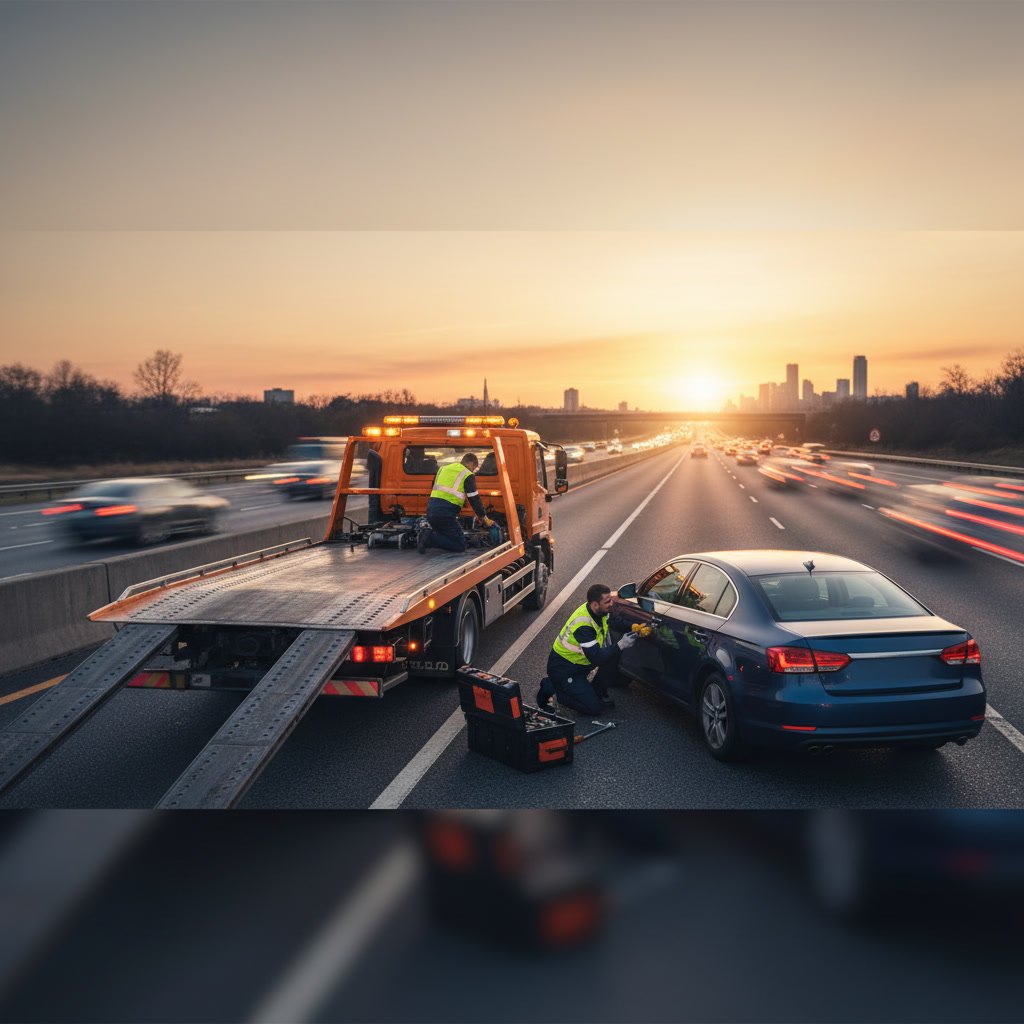
Professional services handle all aspects of removal. You don’t need to worry about how to move a car that doesn’t start, finding a buyer, negotiating prices, or completing paperwork correctly. One phone call solves the entire problem.
These companies are licensed and insured, protecting you from liability during the removal process. If a vehicle rolls during loading or causes property damage, their insurance covers it. When you hire an unlicensed individual from Craigslist, you assume those risks.
Speed is another advantage. Professional services typically offer same-day or next-day pickup, while private buyers might take weeks to schedule. When you need your driveway or garage space back quickly, professionals deliver.
Key Takeaway: The convenience and reliability of professional junk car removal Seattle services typically outweigh any marginal financial gains from handling disposal yourself. You save hours of work and eliminate stress while still receiving fair market value.
Environmental Benefits of Proper Junk Car Disposal
Recycling a junk car keeps approximately 11 million tons of steel out of landfills annually in the United States. Steel is infinitely recyclable without losing strength, making automotive recycling one of the most environmentally beneficial industries.
Professional removal services drain and properly dispose of hazardous fluids before crushing or shredding vehicles. Motor oil, transmission fluid, brake fluid, coolant, and refrigerants all require special handling to prevent environmental contamination. These fluids can poison groundwater and harm wildlife if they leak from an abandoned vehicle.
Recycling also reduces the energy needed to produce new steel. Manufacturing steel from recycled material uses 74% less energy than creating it from raw iron ore. This translates to lower carbon emissions and reduced mining impact.
Auto recyclers salvage usable parts, extending their lifecycle and reducing demand for new manufacturing. A working alternator from your junk car might serve another vehicle for years, avoiding the environmental cost of producing and shipping a new part.
Frequently Asked Questions
Can I sell a junk car without a title in Seattle?
Washington State law requires a title to transfer vehicle ownership. Some junk car buyers will purchase vehicles without titles if you provide registration and proof of ownership, but they typically offer lower prices. Obtaining a duplicate title from the DOL for $18 usually results in better offers and a smoother process.
How long does junk car removal take in Seattle?
Most professional services complete the entire process in 20 to 45 minutes once they arrive. The tow operator inspects the vehicle, verifies paperwork, loads the car, provides payment, and gives you transfer documents. Scheduling typically happens within 24 to 48 hours of your initial call.
Do I need to notify anyone after selling my junk car?
Yes, Washington State requires you to notify the Department of Licensing within five days of selling or transferring any vehicle. File a Vehicle/Vessel Bill of Sale online or submit Form TD-420-065. This releases you from liability for tickets, tolls, or accidents involving the vehicle after the sale date.
What happens to my car after it’s removed?
The removal service transports it to a licensed auto recycler or salvage yard. Workers drain all fluids, remove the battery and usable parts, then crush or shred the remaining shell. The scrap metal goes to steel mills for recycling into new products, while parts are cleaned and resold.
Will a junk car buyer pick up a vehicle from an apartment complex or gated community?
Yes, but you may need to coordinate with property management or provide gate access codes. Inform the buyer about access restrictions when scheduling pickup. Most services are experienced with apartment and condo situations and can work within your community’s rules.
Get Your Junk Car Removed Today
Removing a non-running vehicle doesn’t have to be a hassle. By choosing a reputable junk car removal Seattle service, you can convert that eyesore into cash within 24 hours while freeing up valuable space. The key is acting quickly, getting multiple quotes, and ensuring you properly transfer the title to avoid future liability.
Smith Towing provides fast, professional junk car removal throughout Seattle, Redmond, Kirkland, and Edmond. We offer free towing, competitive pricing, and same-day service in most cases. Our team handles all paperwork and provides immediate payment. Call us at +18633732644 to get a quote and schedule your pickup today.