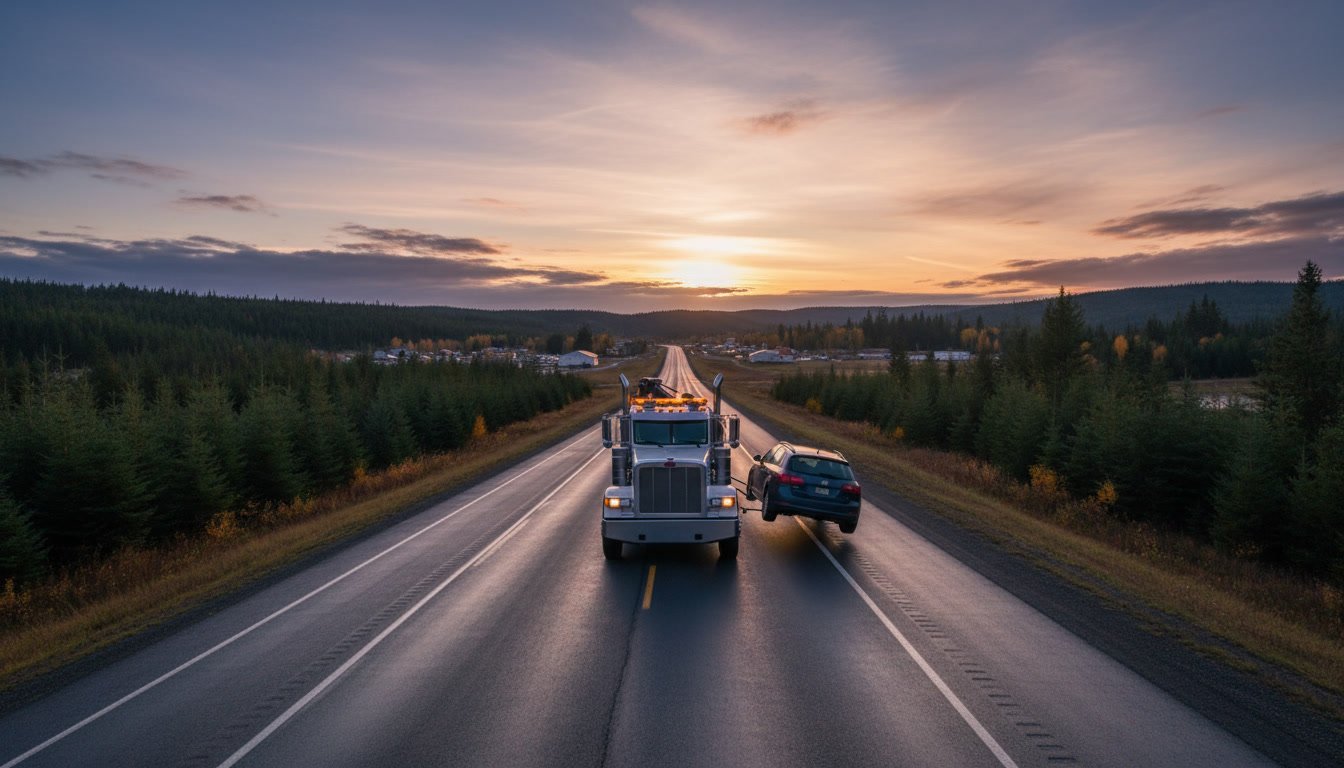
Long distance towing involves transporting a disabled vehicle over extended distances, typically 100 miles or more, using specialized equipment and planning to ensure safe delivery to your preferred destination. Unlike local tows that cover short distances within a metro area, these services require careful route planning, proper permits, and equipment designed for highway travel. The process typically takes several hours to multiple days depending on distance, and costs are calculated by the mile rather than flat rates.
When your car breaks down during a road trip, vacation, or cross-country move, understanding how these services work can save you significant stress and money. The difference between a smooth recovery and a logistical nightmare often comes down to choosing the right provider and knowing what questions to ask before your vehicle is hooked up.
Why Distance Changes Everything in Vehicle Recovery
The mechanics of towing change dramatically once you exceed 50 to 100 miles. Local towing companies operate within a familiar service area with known roads, quick turnaround times, and equipment optimized for short hauls. Distance towing requires highway-rated equipment, additional fuel planning, potential overnight stops, and drivers trained for extended highway operation.
Interstate transport also introduces regulatory considerations. Tow trucks crossing state lines must comply with Department of Transportation regulations, maintain specific insurance coverage, and in some cases obtain permits for oversized loads. A flatbed trailer hauling a large SUV might require route planning to avoid low bridges or weight-restricted roads.

How Towing Companies Calculate Distance Fees
Most providers charge a base fee for the first 5 to 10 miles, then add a per-mile rate for the remaining distance. Long haul rates typically range from $2 to $5 per mile after the base, with total costs for a 300-mile tow often falling between $600 and $1,500 depending on vehicle type and route complexity.
Additional factors that affect pricing include vehicle size and weight, whether the car rolls freely or requires a winch recovery, time of day (overnight and weekend calls carry premiums), and route difficulty. A breakdown in a remote mountain area with narrow access roads will cost more than a highway pickup with easy access.
Some companies offer flat-rate pricing for common routes they service regularly. If you break down on Interstate 90 between Seattle and Spokane, for example, a provider familiar with that corridor might offer a predictable price rather than calculating mileage.
Equipment Used for Extended Highway Transport
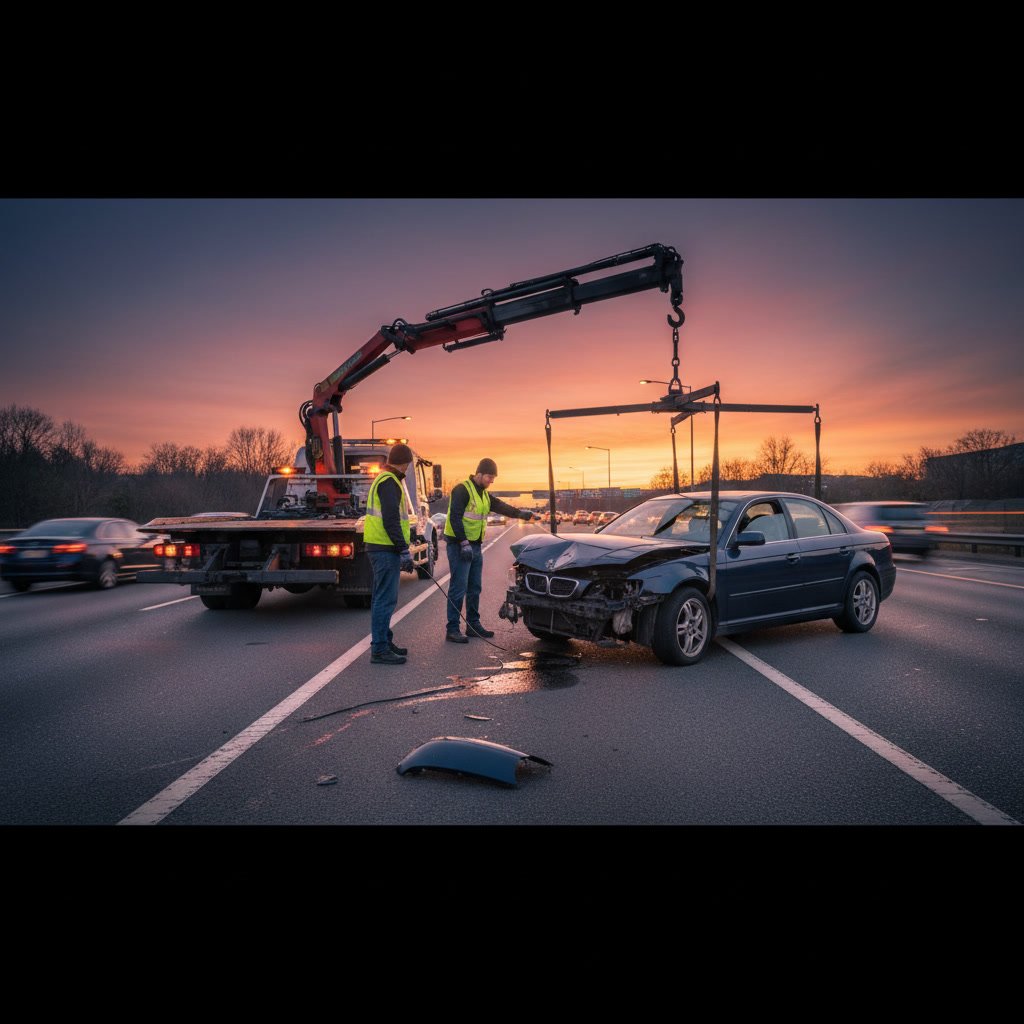
Flatbed carriers are the gold standard for distance work because they eliminate wear on your vehicle’s transmission and wheels. Your car sits completely off the ground, secured with multiple chains or straps, and experiences no additional mileage during transport. This method is essential for all-wheel-drive vehicles, luxury cars, and anything with transmission damage.
Wheel-lift tows, where only two wheels remain on the ground, work for shorter distances but create risk over hundreds of miles. The towed wheels accumulate mileage, bearings and suspension components experience continuous stress, and any slight misalignment can cause tire damage. Professional distance haulers avoid this method for trips exceeding 100 miles.
Some heavy-duty recovery operations use specialty equipment like lowboy trailers for extremely large vehicles or landoll trailers for vehicles too damaged to load conventionally. These setups require commercial driver’s licenses and come with substantially higher costs.
Step by Step Process When You Call for Distance Recovery
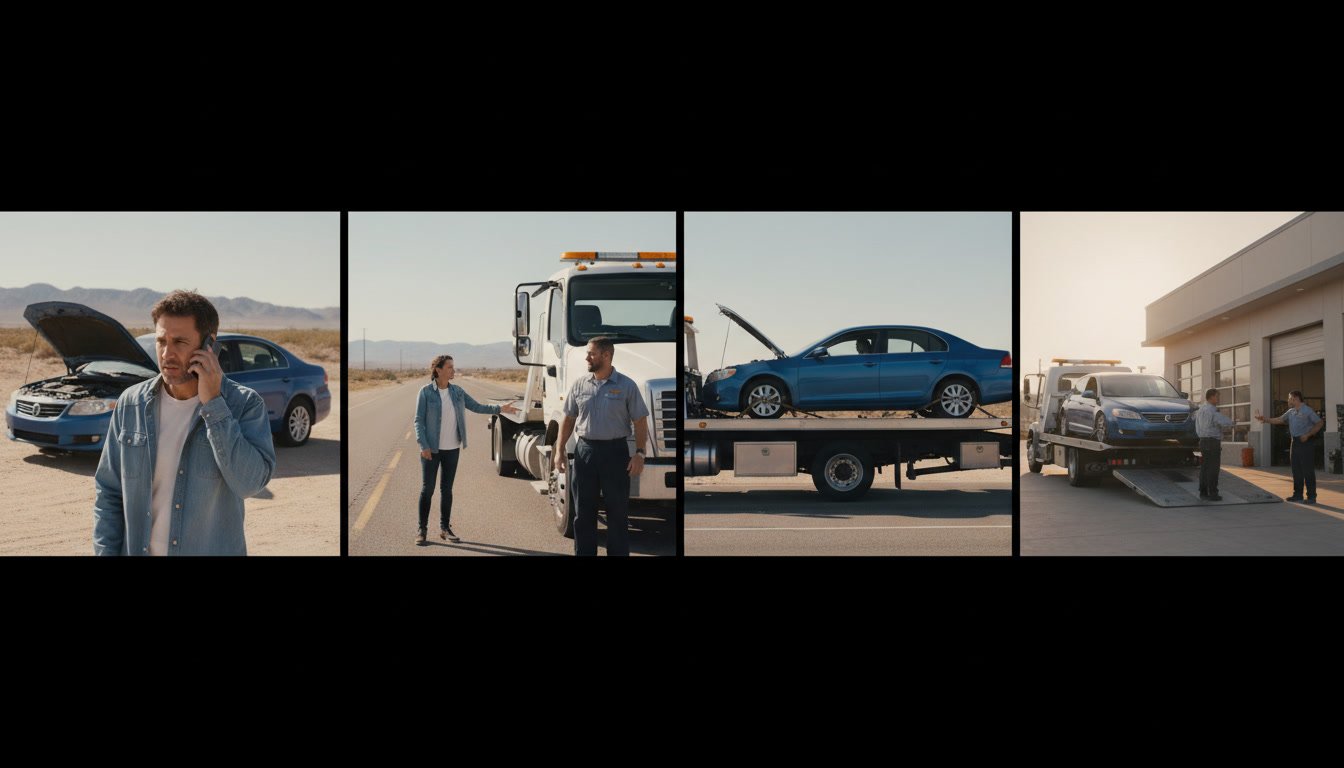
The service begins with a detailed intake call where the dispatcher gathers your exact location using GPS coordinates or highway mile markers, your destination address, vehicle year/make/model, and the nature of the breakdown. This information determines equipment needs, estimated time of arrival, and accurate pricing.
Once dispatched, the driver navigates to your location, typically arriving within 60 to 90 minutes for highway breakdowns or longer for remote areas. Upon arrival, the driver assesses the vehicle condition, explains the loading process, and secures your car to the flatbed or tow equipment. Professional operators use multiple attachment points and check tension at each strap or chain.
During transport, experienced drivers monitor the load at fuel stops and rest breaks, checking for any shift in positioning or loosened restraints. For journeys exceeding eight hours, some companies use team drivers or schedule overnight stops. You typically receive updates via text or phone at major milestones during the trip.
When You Need Distance Towing in Seattle
Breakdowns during Pacific Northwest road trips are common scenarios. A family heading to Eastern Washington for vacation experiences transmission failure outside Spokane. A college student driving home from Portland suffers engine problems halfway through the trip. A relocated professional needs their car transported from California after a cross-country move.
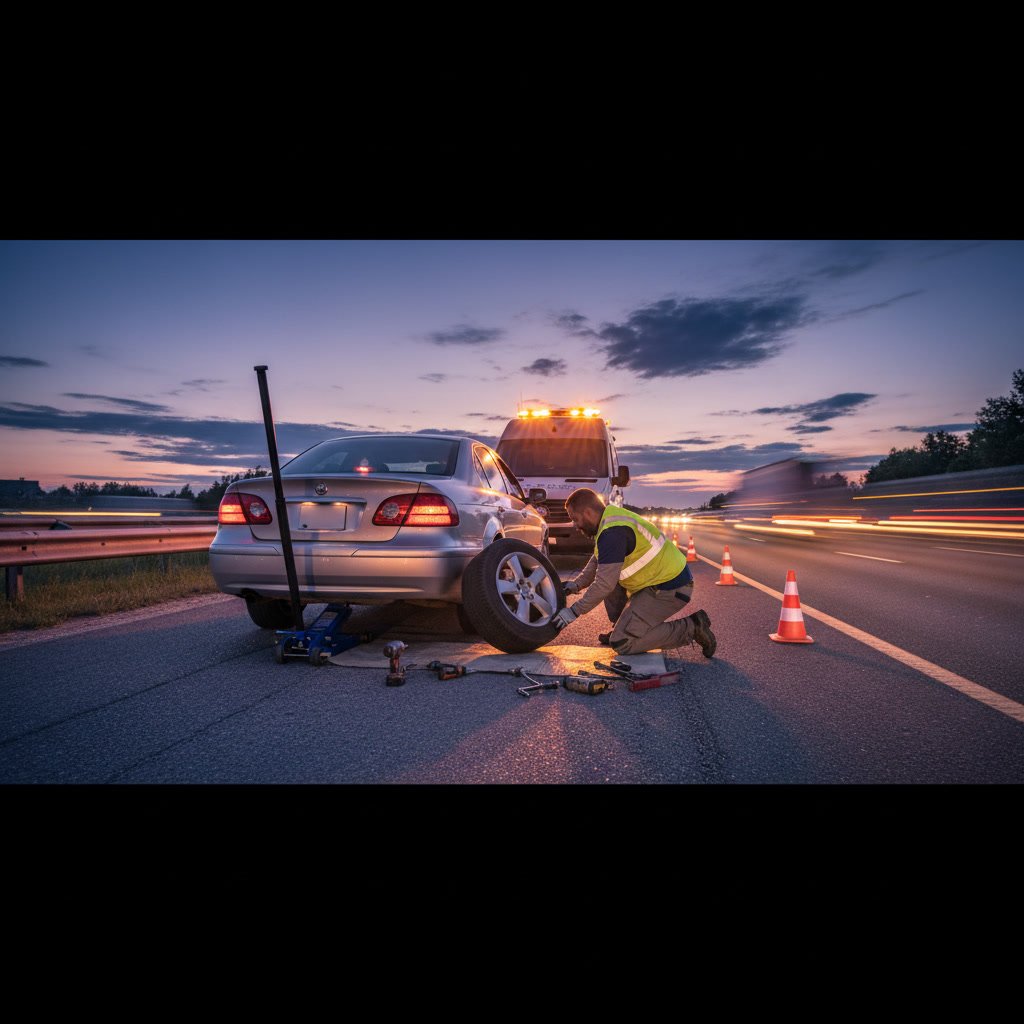
In each case, attempting to repair the vehicle far from home often means dealing with unfamiliar mechanics, waiting days for parts, and paying diagnostic fees before even knowing if repair is feasible. Roadside assistance can handle minor issues like dead batteries or flat tires, but major mechanical failures require professional transport back to your trusted repair shop.
Smith Towing provides transport services that bring vehicles back to the Seattle metro area from extended distances, allowing you to work with mechanics you trust and avoid the complications of remote repairs.
What Happens if Your Car Breaks Down Out of State
Cross-state transport introduces additional complexity. Your insurance coverage may have geographic limits, and your roadside assistance plan might cap reimbursement at 100 miles. Some policies cover towing to the nearest qualified repair facility rather than back to your home state.
Before authorizing a multi-state tow, verify your coverage limits and get written estimates from the towing company. Some insurers require pre-authorization for costs exceeding certain thresholds. If you’re paying out of pocket, ask whether the company accepts payment plans or credit cards, as a 500-mile tow can easily exceed $2,000.
Documentation becomes critical for insurance claims. Photograph your vehicle before loading, get itemized receipts showing mileage and services provided, and keep records of all communication with both the towing company and your insurer.
Comparing Distance Towing to Alternative Solutions
When weighing options after a remote breakdown, consider the total cost and convenience of each approach. Distance towing provides certainty: your car arrives at your chosen destination regardless of its condition, you avoid repair decisions under pressure, and you maintain control over who works on your vehicle.
The alternative is local repair, which might be faster and cheaper if the problem is simple. A failed alternator or cooling system issue could be fixed in a day or two for a few hundred dollars. However, major issues like transmission failure or engine damage could leave you stranded for a week waiting for parts, paying for lodging, and potentially facing a repair bill that exceeds the vehicle’s value.
For vehicles near the end of their useful life, getting rid of a car that no longer runs might be more economical than paying for distance transport and repairs. This calculation depends on the vehicle’s age, condition, and your attachment to it.
How to Choose a Distance Towing Provider
Verification is essential when hiring for extended transport. Confirm the company maintains proper licensing, insurance coverage including cargo insurance that protects your vehicle during transit, and roadside assistance capabilities in case the tow truck itself experiences problems.
Ask specific questions about their equipment. Will they use a flatbed or wheel-lift? How many vehicles do they transport simultaneously (some carriers haul multiple cars on one trailer)? What is their protocol if weather or road conditions force delays?
Get everything in writing before authorizing service. The estimate should specify total mileage, per-mile rate, any additional fees, estimated delivery time, and payment terms. Reputable providers offer this documentation without hesitation.
What to Remove From Your Vehicle Before Transport
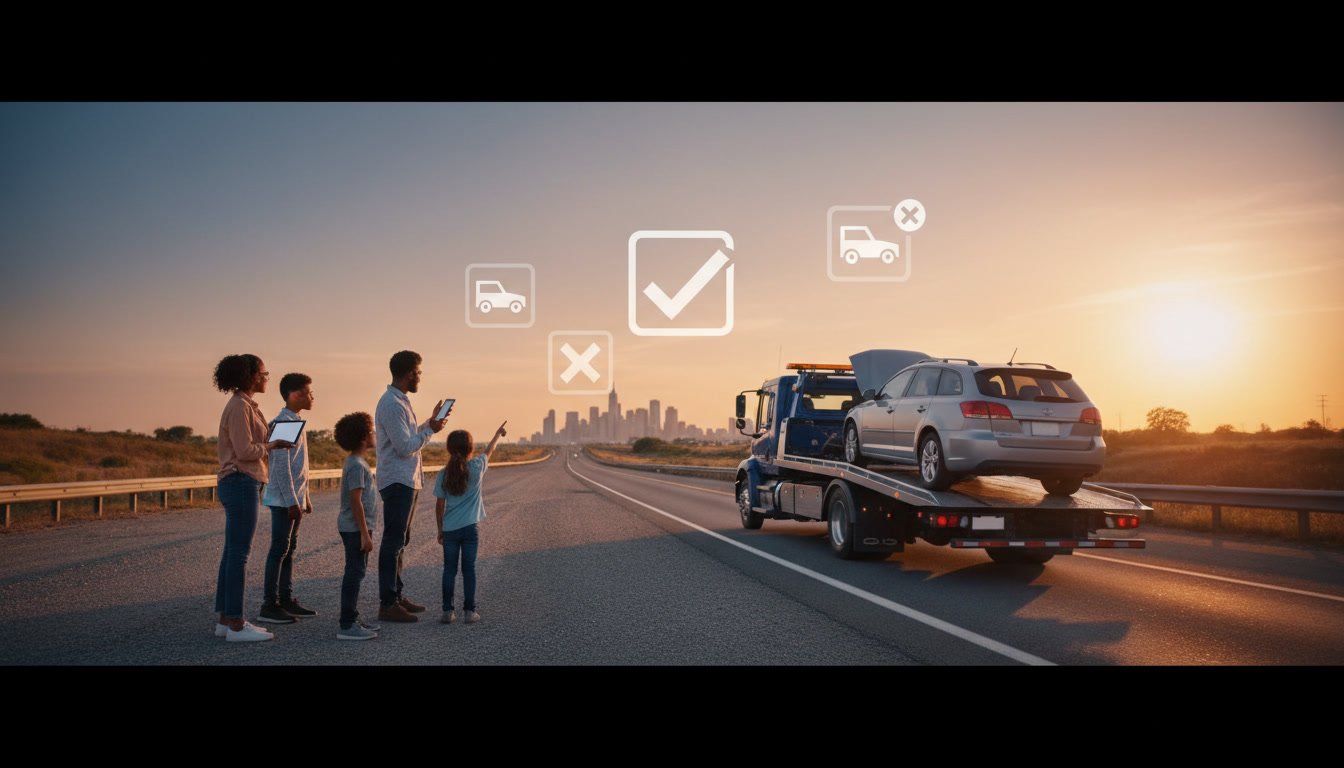
Towing companies typically prohibit personal belongings inside transported vehicles due to liability and weight concerns. Remove all valuables, important documents, garage door openers, toll transponders, and loose items from the interior and trunk. Most providers allow you to leave a spare tire and jack but request removal of everything else.
Check your trunk, glove box, center console, and door pockets. Items that seem secured can shift during highway travel and cause damage. If you absolutely must leave belongings in the vehicle, document them with photos and get written acknowledgment from the driver, though most companies will still decline responsibility.
Disable any alarm systems and provide clear instructions about any quirks in your vehicle. If the steering wheel locks in a certain position or the transmission requires a specific procedure to shift into neutral, the driver needs to know before attempting to load your car.
Insurance Coverage and What It Actually Pays For
Standard auto insurance policies do not automatically cover towing beyond basic roadside assistance limits, typically 10 to 25 miles. Enhanced coverage or separate roadside assistance plans may increase this to 100 miles, but distance beyond that becomes your responsibility unless you purchased specific travel coverage.
Credit card travel benefits sometimes include vehicle breakdown assistance, with coverage varying widely by card and issuer. Some provide up to $1,000 toward towing costs, while others offer concierge services to arrange transport but no direct payment assistance.
The towing company’s cargo insurance protects your vehicle against damage during transport but does not cover pre-existing damage. Take photos of your vehicle from all angles before it’s loaded to document its condition. If damage occurs during transport, this evidence is essential for any insurance claim.
Getting Your Vehicle Home Safely and Efficiently
Distance breakdowns test your planning and decision-making under pressure. The key is having reliable information about your options, understanding the true costs of each approach, and working with providers who communicate clearly throughout the process. A professional towing service in Seattle can coordinate pickup from hundreds of miles away and deliver your vehicle directly to your home or preferred repair facility.
The investment in proper distance transport protects your vehicle from additional damage, gives you time to research repair options without pressure, and eliminates the stress of managing a breakdown in an unfamiliar area. While the immediate cost might seem high, it often proves less expensive than the alternatives when you factor in lodging, rental cars, rushed repair decisions, and time away from work.
Smith Towing handles distance recovery for vehicles that break down far from home, bringing them safely back to the Seattle area with professional equipment and experienced drivers. When you need reliable transport after a breakdown, call +18633732644 to discuss your situation and get a clear estimate for bringing your vehicle home.